
What to Expect After Dental Implant Surgery
Getting a dental implant is a big step toward restoring your smile and oral health.
Many patients wonder what happens after surgery and how to recover at home.
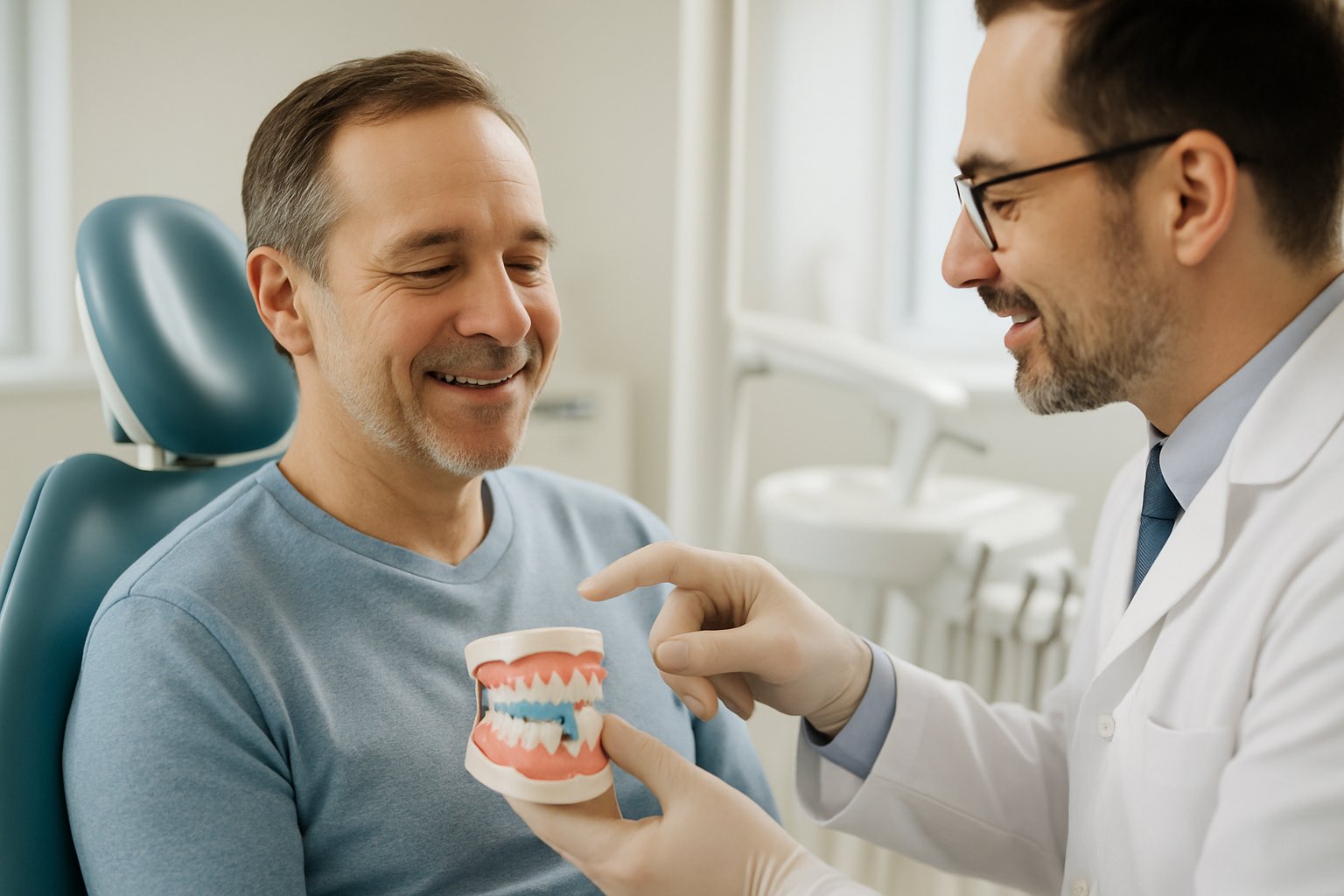
Most people notice mild swelling, some bleeding, and discomfort for the first few days after dental implant surgery.
These symptoms improve quickly with proper care.
The healing process takes several months as your jawbone grows around the implant.
Understanding the recovery process helps you feel more prepared.
Your recovery experience depends on how many implants you received and how well you follow aftercare instructions.
Most patients return to work within a day or two and resume normal activities within a week.
Key Takeaways
- Expect mild pain and swelling for the first few days, which improves with proper aftercare
- Complete healing takes several months as your bone fuses with the implant
- Following oral hygiene instructions and attending follow-up visits ensures the best results
Immediate Aftercare and Early Recovery
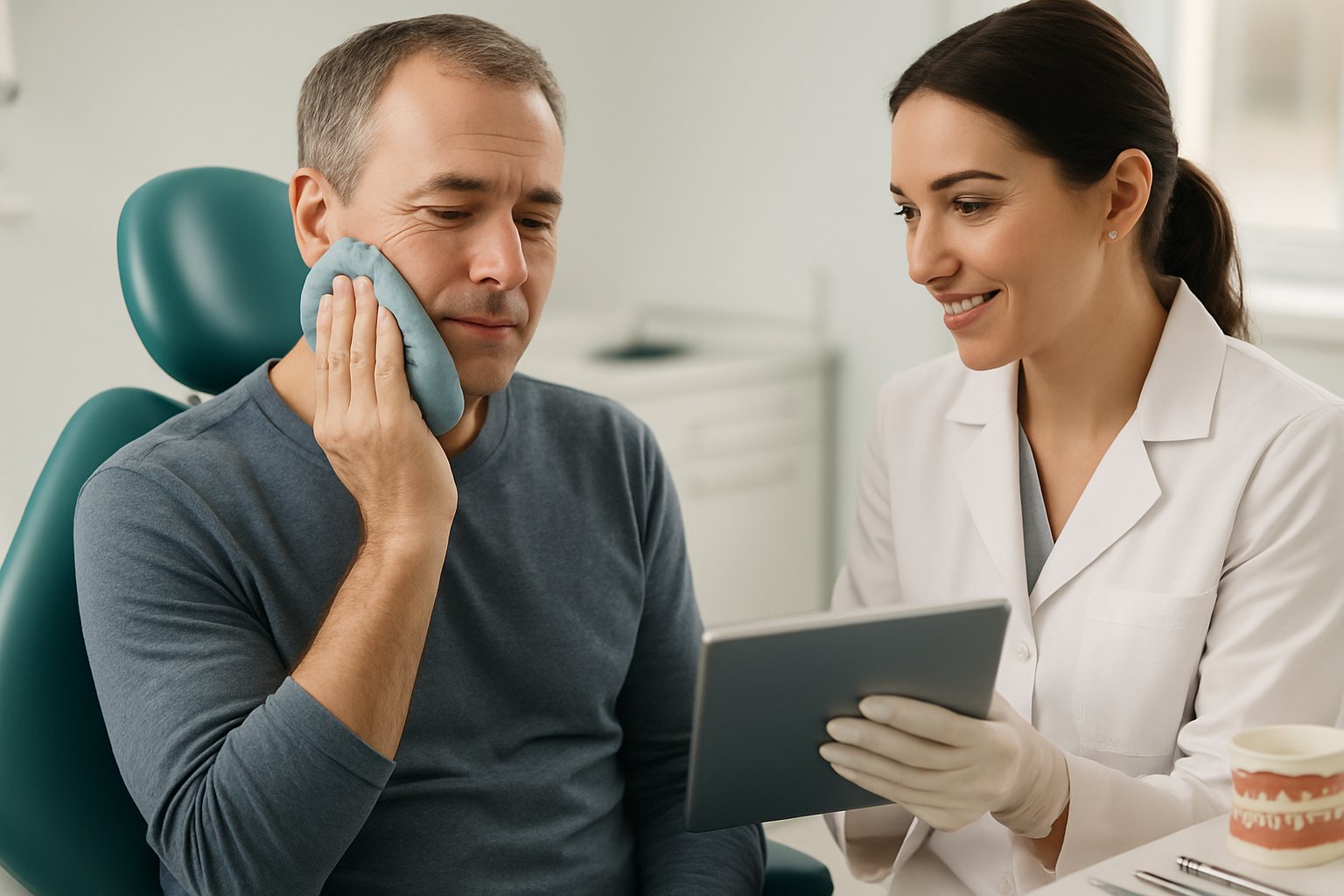
The first 24-48 hours after your dental implant surgery are critical for healing.
You may experience swelling and mild bleeding, which you can manage with proper care and by following dietary restrictions.
Initial Symptoms and What to Expect
After your dental implant surgery, you may notice several normal symptoms.
These are part of the healing process and should not cause alarm.
Swelling is the most common symptom.
It usually peaks 48-72 hours after implant placement.
Your face may look puffy around the surgical site.
Pain or discomfort ranges from mild to moderate.
Most patients say it hurts less than a tooth extraction.
The discomfort usually decreases each day.
Bruising may appear on your face or neck 2-3 days after surgery.
This happens when blood pools under the skin.
Bruising fades within 7-10 days.
Numbness in your lip, chin, or tongue can occur.
This usually goes away within a few hours as the anesthesia wears off.
Some patients with immediate load implants may notice the temporary crown or bridge feels strange at first.
Managing Swelling and Discomfort
Ice therapy works best during the first 24 hours.
Apply ice packs to your face for 15 minutes on and 15 minutes off.
This helps reduce swelling.
After 24 hours, use warm compresses.
Place a warm, damp cloth on your face for 15-20 minutes several times a day.
Take pain medication as your dentist prescribes.
Start taking it before the numbness wears off.
Common options include ibuprofen, acetaminophen, or prescription pain relievers if needed.
Sleep with your head elevated for the first few nights.
Use 2-3 pillows to keep your head above your heart.
This reduces blood flow to the surgical area.
Avoid aspirin unless your dentist tells you to take it.
Aspirin can increase bleeding and slow healing.
Bleeding and Blood Clot Care
Light bleeding is normal for 24-48 hours after dental implant surgery.
You may notice pink saliva or slight oozing from the surgical site.
Bite on gauze for 30-45 minutes if bleeding continues.
Replace the gauze every 30 minutes until bleeding stops.
Apply firm, steady pressure.
Protect the blood clot that forms over your implant site.
This clot is essential for healing.
Do not spit forcefully, use straws, smoke, or rinse vigorously.
Begin gentle saltwater rinses 24 hours after surgery.
Mix 1/2 teaspoon of salt in 8 ounces of warm water.
Swish gently and let the water fall out of your mouth.
Your dentist may prescribe an antimicrobial mouthwash.
Use it as directed, usually starting 24 hours post-surgery.
Call your dentist if bleeding is heavy or does not stop after 4-6 hours of pressure.
Dietary Guidelines and Activity Restrictions
Eat only soft foods for the first week after implant placement.
Your jaw needs time to heal without stress from chewing.
Recommended foods include smoothies, yogurt, mashed potatoes, scrambled eggs, soup (not too hot), and ice cream.
Avoid hard or crunchy foods, spicy foods, very hot beverages, alcohol, and foods with small seeds for 1-2 weeks.
Stay hydrated by drinking plenty of water.
Room temperature or cool liquids work best.
Avoid heavy lifting, intense exercise, or bending over for 48-72 hours.
Do not smoke for at least 2 weeks.
Smoking greatly increases your risk of implant failure and infection.
Return to normal activities gradually.
Rest when you need to and listen to your body.
Oral Hygiene and Post-Operative Care

Clean your mouth properly after dental implant surgery to prevent infection and speed up healing.
Dentists recommend specific mouth rinses and gentle cleaning methods to protect your new implant.
Oral Hygiene Best Practices
Wait 24 hours after surgery before brushing your teeth.
Start with a soft-bristled toothbrush and use gentle movements.
Avoid brushing directly over the implant site for the first week.
Clean the rest of your mouth normally but stay away from the surgical area.
Key cleaning steps:
- Use lukewarm water when brushing
- Brush twice daily after the first 24 hours
- Replace your toothbrush with a new soft one
- Avoid electric toothbrushes for two weeks
Avoid flossing near the implant site for at least one week.
Your dentist will let you know when it is safe to resume normal flossing.
Keep your mouth clean but be extra gentle around the healing area.
This helps your implant recovery without causing damage.
Use of Rinses and Mouthwashes
Use saltwater rinses for the first few days after surgery.
Mix half a teaspoon of salt in a cup of warm water.
Gently swish the saltwater rinse in your mouth for 30 seconds.
Do this three times per day starting 24 hours after surgery.
Your dentist may prescribe an antimicrobial mouthwash if you have a higher risk of infection.
Follow the exact instructions on the prescription label.
Rinse guidelines:
- Use saltwater rinses for the first week
- Avoid alcohol-based mouthwashes at first
- Do not rinse vigorously or spit forcefully
- Wait until day two to start any rinses
Return to regular store-bought mouthwash after one week.
Choose alcohol-free options to avoid irritation while your implant heals.
Avoiding Infection and Promoting Healing
Watch for signs of infection like increased swelling, fever, or pus around the implant site.
Contact your dentist immediately if you notice these symptoms.
Infection warning signs include swelling that gets worse after day three, fever above 101°F, yellow or green discharge, and severe pain that does not improve.
Keep the surgical area clean and dry.
Avoid touching the implant site with your fingers or tongue.
Do not smoke or drink through straws for at least two weeks.
These activities can slow healing and increase infection risk.
Stay hydrated and eat soft foods that will not irritate the implant area.
Good nutrition supports your body’s healing process.
Healing Timeline and Osseointegration Process
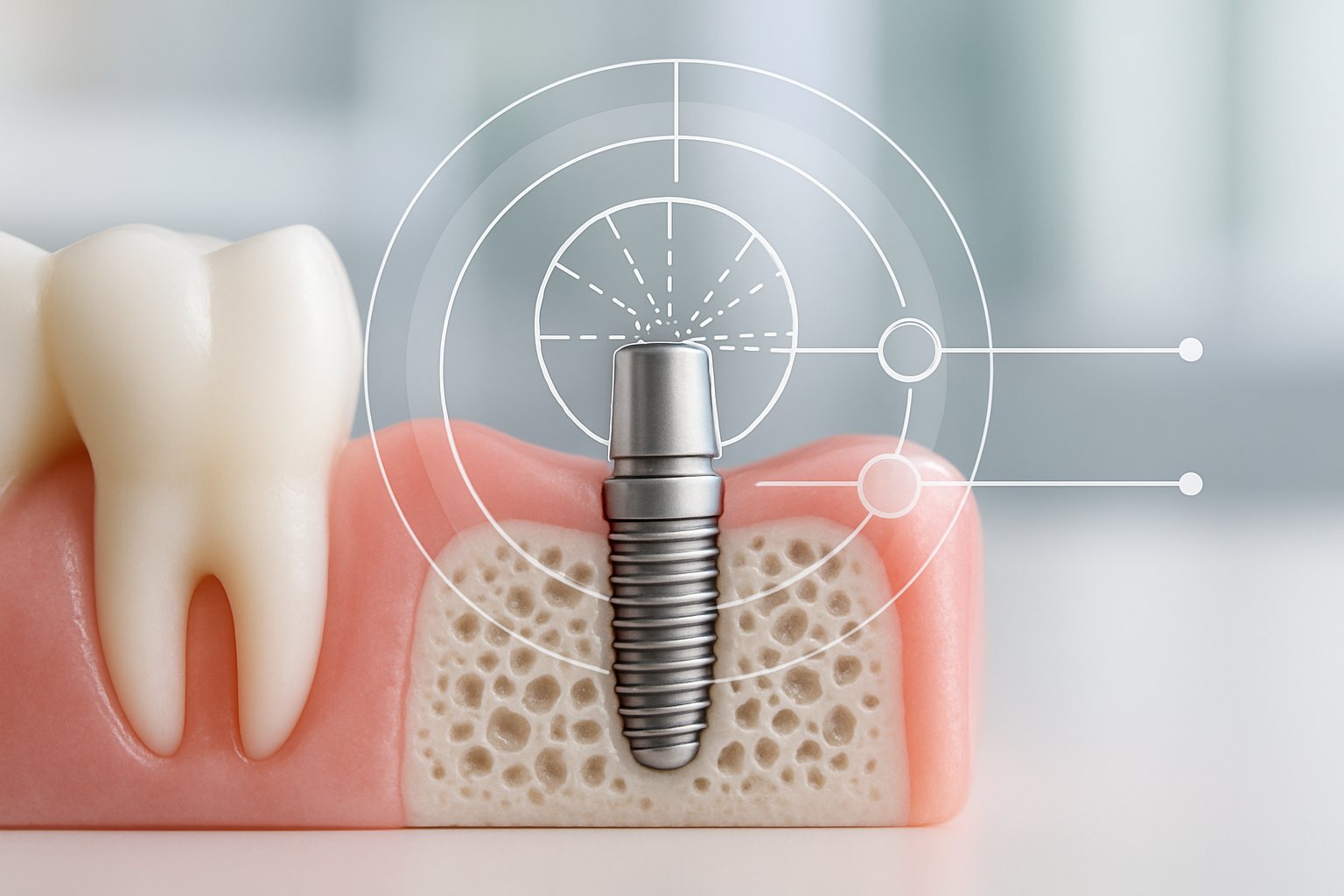
Dental implant healing happens in two main phases: soft tissue recovery and bone integration.
Your jawbone must fuse with the titanium implant through osseointegration for long-term success.
Soft Tissue Recovery Stages
Week 1-2: Initial Healing
Your gums will be tender and swollen after surgery.
You may notice some bleeding and discomfort during this time.
Stick to soft foods and avoid brushing the implant area.
Most patients return to normal activities within 3-5 days.
Week 3-4: Tissue Formation
The gum tissue starts forming around the implant.
Swelling goes down significantly by week three.
You can gradually add more foods to your diet.
Avoid hard or crunchy items that could disturb the healing site.
Month 2-3: Complete Soft Tissue Healing
Your gums should look normal and feel comfortable.
The tissue around the implant becomes firm and healthy.
Dentists can usually take impressions for your crown during this period if osseointegration is progressing well.
Bone Healing and Osseointegration
Months 1-3: Early Integration
Your jawbone begins to grow into the tiny spaces on the titanium implant surface.
This process happens gradually.
The implant remains stable but is not yet fully integrated.
Do not put pressure on the implant during this phase.
Months 3-6: Complete Osseointegration
The titanium implant fuses permanently with your jawbone.
This creates a strong foundation for your new crown.
Most patients achieve full osseointegration within 4-6 months.
Upper jaw implants may take slightly longer than lower jaw implants.
Immediate Load Implants
Some patients qualify for immediate load implants with temporary crowns placed the same day.
This option requires excellent bone quality and specific conditions.
Possible Need for Bone Grafting
When Bone Grafting Is Required
You may need a bone graft if your jawbone is too thin or soft to support an implant.
This adds 3-6 months to your healing timeline.
Common reasons include tooth loss from infection, injury, or long periods without teeth.
Bone Graft Healing Process
The bone graft material must join with your existing jawbone first.
This usually takes 4-6 months before implant placement.
Dentists monitor healing with X-rays and clinical exams.
Once the graft is stable, you can proceed with implant surgery.
Impact on Treatment Timeline
Bone grafting extends your total treatment time to 8-12 months.
It provides enough bone for long-term implant success.
Long-Term Success and Complications
Most dental implants succeed when you follow proper care.
Knowing warning signs helps you catch problems early.
Signs of Normal Recovery vs. Complications
Normal dental implant recovery shows steady improvement over weeks.
Minor swelling goes away within 7-10 days.
Light bleeding stops within 24-48 hours.
Your gums may feel tender for 2-3 weeks.
This is expected after tooth replacement surgery.
Warning signs that need immediate attention:
- Severe pain that gets worse after 3-4 days
- Heavy bleeding that will not stop
- Pus or bad smell from the implant site
- Fever over 101°F
- Implant feels loose or moves
- Gums pull away from the implant
Call your dentist right away if you notice these symptoms.
Early treatment helps prevent implant failure.
Some people feel numbness in their lip or tongue.
This usually goes away in a few weeks.
Tell your dentist if it lasts longer than a month.
Risk Factors for Implant Failure
Smoking is the biggest risk for dental implant problems.
It slows healing and increases infection chances by 15-20%.
Major risk factors include:
- Smoking or tobacco use, which reduces blood flow to healing tissues
- Diabetes, because high blood sugar slows wound healing
- Gum disease, since bacteria can attack the implant
- Grinding teeth, which puts too much pressure on implants
- Poor oral hygiene, which causes bacteria buildup and infections
Age and health conditions affect implant recovery.
People over 65 may heal more slowly.
Heart disease and some medications also impact healing.
Previous tooth extraction sites need enough bone to support implants.
Weak jawbone can lead to implant failure in 5-10% of cases.
Maintaining Implant Health After Healing
Daily cleaning keeps bacteria from building up around your dental implants. Brush twice a day with a soft toothbrush.
Use gentle circular motions around the implant. Floss daily around the implant crown.
Water flossers help clean hard-to-reach areas. Rinse with antibacterial mouthwash to reduce harmful bacteria.
Essential maintenance steps:
- Get professional cleanings every 6 months.
- Brush and floss every day.
- Avoid chewing ice or hard objects.
- Do not use implants to open packages.
- Stop smoking completely.
Regular dental visits help us catch problems early. We check for loose screws, gum health, and bone levels.
We use X-rays to see if the bone around the implant stays strong. Good care helps dental implants last over 25 years.
Poor maintenance causes problems within 5-10 years.
Frequently Asked Questions
Many patients have questions about side effects, recovery time, and how to care for implants after surgery. Pain management and dietary changes are also common topics during healing.
What are the common side effects following a tooth implant procedure?
Most patients notice swelling around the implant site. Swelling usually peaks within 48 hours after surgery.
Bleeding can occur on the first day. You might see light bleeding or pink saliva for 24 hours.
Pain or discomfort starts as the numbing medicine fades. Most people feel soreness for 3 to 5 days.
Bruising may appear on your face near the surgery area. This often shows up 2 to 3 days after the procedure.
How long is the recovery period after receiving dental implants?
Initial healing takes 7 to 10 days. During this time, your gum tissue closes over the implant site.
Full healing takes 3 to 6 months. The implant bonds with your jawbone during this period.
We place your permanent crown after the implant fully integrates. This step completes your treatment.
What dietary restrictions should be followed post dental implant surgery?
Eat soft foods for the first week. Yogurt, soup, smoothies, and mashed potatoes are good choices.
Avoid hard or crunchy foods like nuts, chips, and raw vegetables. These foods can harm the healing tissue.
Do not use straws for at least one week. The suction can disturb the blood clot at the surgery site.
Avoid very hot foods and drinks for 24 hours. Choose room temperature or cool items instead.
What are the stages of healing one can expect after a dental implant?
The first 24 hours allow a blood clot to form. This protects the implant and starts healing.
Days 1 to 7 focus on soft tissue healing. Your gums begin to close around the implant.
Weeks 2 to 8 bring bone growth around the implant. This process is called osseointegration.
Months 3 to 6 complete bone fusion. The implant becomes fully stable in your jaw.
What are the primary reasons someone might avoid choosing dental implants?
Cost concerns stop some patients from choosing implants. Dental implants need a bigger upfront investment than other options.
Medical conditions can prevent implant surgery. Uncontrolled diabetes or active gum disease can cause complications.
Low bone density can make implants fail. Some patients need bone grafts before we place implants.
Smoking lowers success rates. Tobacco slows healing and raises infection risk.
How should one manage pain during the dental implant recovery process?
Take prescribed pain medication as your dentist directs.
Don’t wait until pain becomes severe before taking your medicine.
Apply ice packs for 20 minutes at a time during the first day.
This reduces swelling and numbs pain.
Keep your head elevated when you rest.
Use extra pillows to lower blood flow to the surgery site.
Avoid activities that raise your blood pressure.
Heavy lifting and intense exercise can make pain and bleeding worse.
📞 Contact Kaufman Dentistry Today
Give us a call at (310) 838-7780 to schedule your appointment and take the first step towards a stunning smile.
You can find us at 10760 Washington Blvd., Culver City, CA 90232. We look forward to welcoming you to our practice and helping you achieve the smile of your dreams!