
How Oral Health Impacts Heart Health
Your mouth and heart connect in ways that might surprise you.
Poor oral health increases your risk of heart disease because harmful bacteria from your gums can enter your bloodstream and travel to your heart.
This connection means caring for your teeth and gums helps protect more than just your smile.

Many people think dental health is separate from the rest of the body.
But research shows gum disease and heart problems share risk factors and can worsen each other.
Simple daily habits like brushing and flossing do more than prevent cavities.
They may also help keep your heart healthy.
Key Takeaways
- Bacteria from gum disease can enter your bloodstream and contribute to heart problems
- Good oral hygiene habits like brushing and flossing can help protect your heart health
- Regular dental checkups are important for preventing both oral and heart disease
The Connection Between Oral Health and Heart Health

Researchers have found that oral health affects heart health because bacteria can enter the bloodstream and cause inflammation.
Gum disease creates pathways for harmful bacteria to reach your cardiovascular system.
Scientific Evidence Linking Oral and Cardiovascular Health
Multiple studies show that people with periodontal disease face higher risks of heart disease.
Major medical centers report that patients with severe gum disease are 40% more likely to develop cardiovascular disease.
The American Heart Association states that oral bacteria can trigger systemic inflammation throughout the body.
Large-scale studies have tracked thousands of patients over many years.
These studies show that poor oral health leads to increased rates of heart attacks and strokes.
Key Risk Factors:
- Untreated gum disease
- Poor dental hygiene
- Smoking
- Diabetes
- Age over 65
Doctors now screen heart patients for dental problems.
This highlights how important the oral health and cardiovascular health connection is.
How Gum Disease Influences the Heart
Periodontal disease creates open wounds in your gums.
These wounds allow bacteria to enter your bloodstream directly.
The same bacteria that cause gum infections can damage heart valves.
They attach to existing heart problems and make them worse.
Gum disease also raises inflammation markers in your blood.
These markers sometimes predict future heart problems better than cholesterol levels.
People with severe gum disease show higher levels of C-reactive protein.
This protein signals inflammation that damages arteries and increases heart attack risk.
Bacterial Effects on Heart:
- Streptococcus sanguis – damages heart valves
- Porphyromonas gingivalis – increases arterial plaque
- Tannerella forsythia – triggers blood clots
Circulation of Bacteria and Systemic Inflammation
Oral bacteria can travel through blood vessels to your heart within minutes.
Simple activities like brushing teeth or chewing food can push bacteria into your bloodstream.
Once bacteria circulate, they trigger immune responses throughout your body.
This creates systemic inflammation that affects multiple organs.
The liver produces more inflammatory proteins when oral bacteria are present.
These proteins make blood more likely to clot and arteries more likely to narrow.
Bacteria can also form colonies on arterial walls.
These colonies cause more inflammation and contribute to plaque buildup that blocks arteries.
People with diabetes or existing heart conditions experience this process more quickly.
Their immune systems cannot control the bacterial spread as effectively.
Key Mechanisms: How the Mouth Impacts the Heart

Oral and heart health connect through four main pathways.
Bacteria from gum disease trigger immune responses, inflammation spreads throughout the body, oral bacteria contribute to artery blockages, and mouth infections can directly reach the heart.
Periodontal Disease and Immune Response
When you have periodontal disease, harmful bacteria like Porphyromonas gingivalis invade your gums.
Your immune system fights back by sending white blood cells to the infected area.
This immune response creates inflammation in your mouth.
The inflammation doesn’t stay local to your gums.
Your immune system releases chemicals called cytokines to fight the infection.
These chemicals travel through your bloodstream to other parts of your body, including your heart and blood vessels.
Key immune responses include:
- Increased white blood cell production
- Release of inflammatory proteins
- Activation of blood clotting factors
- Changes in blood vessel function
Chronic gum disease keeps your immune system activated and puts stress on your cardiovascular system.
This ongoing battle weakens your body’s ability to protect your heart and arteries from damage.
Inflammatory Pathways and C-Reactive Protein
C-reactive protein (CRP) is a marker that shows inflammation in your body.
Gum disease raises CRP levels significantly.
High CRP levels indicate inflammation throughout your body, not just in your mouth.
This systemic inflammation damages the inner walls of your arteries.
CRP levels and risk:
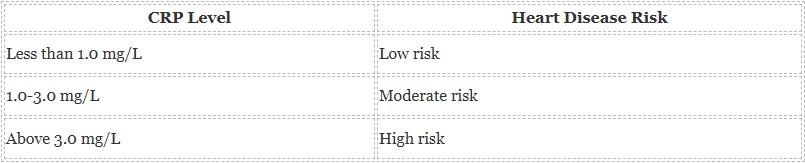
People with severe periodontal disease often have CRP levels in the high-risk range.
Inflammation from your infected gums can start a chain reaction that reaches your heart.
This process makes your blood more likely to form clots.
It also makes your artery walls more vulnerable to damage and plaque formation.
Plaque Buildup and Atherosclerosis
Oral bacteria can enter your bloodstream through bleeding gums during brushing or dental procedures.
Once in your blood, these bacteria can stick to fatty deposits in your arteries.
Porphyromonas gingivalis and other oral bacteria have been found inside arterial plaques.
These bacteria make the plaques more unstable and likely to rupture.
When arterial plaques rupture, blood clots can form.
These clots can block blood flow to your heart and cause a heart attack.
How oral bacteria affect arteries:
- Bacteria attach to existing plaques
- Infection weakens plaque walls
- Inflammatory chemicals damage artery linings
- Blood clots form more easily
Bacteria from your mouth also release toxins that damage smooth muscle cells in your artery walls.
This damage makes it easier for cholesterol and other substances to build up and form new plaques.
Endocarditis and Heart Infections
Endocarditis is a serious infection of the heart’s inner lining or heart valves.
Oral infections often provide the bacteria that cause this condition.
When you have dental procedures or brush your teeth with infected gums, bacteria can enter your bloodstream.
In some people, these bacteria reach the heart and cause infection.
Risk factors for endocarditis from oral infections:
- Artificial heart valves
- Previous heart valve disease
- Congenital heart defects
- History of endocarditis
People with certain heart conditions have a higher risk of developing infective endocarditis from oral bacteria.
For these individuals, preventing oral infections is critical for heart health.
The bacteria that cause endocarditis can form clumps on heart valves called vegetations.
These infected clumps can break off and travel to other organs, causing strokes or other serious complications.
Risk Factors and Complications

Several lifestyle choices and health conditions make the link between mouth and heart problems stronger.
Smoking, poor eating habits, and diabetes create serious risks for both your mouth and heart.
Impact of Smoking and Poor Diet
Smoking damages your mouth and heart in several ways.
It reduces blood flow to your gums and makes it harder for wounds to heal.
This leads to gum disease that spreads bacteria into your bloodstream.
When you smoke, your risk of heart attacks and strokes goes up.
The same chemicals that harm your lungs also damage blood vessels throughout your body.
Poor diet choices hurt both your mouth and heart.
Foods high in sugar feed harmful bacteria in your mouth, causing tooth decay and gum infections.
A diet lacking nutrients weakens your immune system.
This makes it harder to fight off infections in your mouth and increases inflammation that affects your heart.
The combination of smoking and poor eating habits makes these problems worse.
The damage adds up and creates serious health risks.
Role of Diabetes and Other Health Conditions
Diabetes creates a dangerous cycle with gum disease.
High blood sugar levels make infections harder to control.
Gum disease then makes blood sugar levels harder to manage.
People with diabetes often develop severe gum problems.
Their wounds heal slowly, and infections spread more easily.
This puts extra strain on their cardiovascular system.
Other health conditions raise risks too:
- High blood pressure
- Heart disease family history
- Obesity
- Autoimmune disorders
These conditions make your body less able to fight infections.
When gum disease develops, it adds more stress to an already struggling system.
Coronary artery disease becomes more likely when you have both diabetes and gum disease.
The inflammation affects blood vessels and makes blockages more dangerous.
Warning Signs of Oral and Cardiovascular Issues
Several warning signs can show when your mouth and heart health are connected.
Bad breath that won’t go away often signals gum infection.
This infection can spread harmful bacteria to your heart.
Bleeding gums during brushing or flossing indicate inflammation.
This inflammation releases chemicals that travel through your bloodstream and affect your heart.
Watch for these mouth problems:
- Loose teeth or tooth loss
- Receding gums
- Swollen or tender gums
- Pain when chewing
Heart-related warning signs include chest pain, shortness of breath, and unusual fatigue.
These symptoms become more serious when combined with gum disease.
See both your dentist and doctor if you notice multiple warning signs.
Early treatment can prevent small problems from becoming major health threats.
People with existing heart conditions need extra careful monitoring.
Strokes and heart attacks become more likely when gum disease goes untreated.
Preventive Strategies for Protecting Oral and Heart Health
You can reduce your risk of both oral disease and heart problems through daily oral hygiene practices, smart lifestyle choices, and regular check-ups with dental and medical professionals.
Oral Hygiene and Dental Care Practices
Brush your teeth twice daily with fluoride toothpaste to remove harmful bacteria.
This simple step helps prevent cavities and tooth decay that can lead to infections.
Floss once a day to remove plaque between teeth where your toothbrush cannot reach.
This practice stops bacteria from building up in hard-to-clean areas.
Daily Oral Care Checklist:
- Brush for 2 minutes with fluoride toothpaste
- Floss between all teeth
- Use mouthwash to kill remaining bacteria
- Replace toothbrush every 3 months
Clean your tongue daily.
Bacteria on the tongue can cause bad breath and contribute to oral health problems.
Proper brushing technique matters.
Use gentle circular motions instead of harsh scrubbing to avoid damaging your gums.
Lifestyle Choices for Reducing Risk
Your diet directly affects both oral and heart health.
Limit sugary foods and drinks that feed harmful bacteria in your mouth.
A healthy diet rich in fruits, vegetables, and whole grains provides nutrients for strong teeth and a healthy heart.
Foods high in calcium and vitamin D help keep your teeth strong.
Foods That Help Both Oral and Heart Health:
- Leafy greens like spinach and kale
- Fish rich in omega-3 fatty acids
- Nuts and seeds
- Low-fat dairy products
Regular exercise improves blood flow throughout your body, including to your gums.
Physical activity also helps control inflammation that affects both your mouth and heart.
Avoid tobacco products completely.
Smoking and chewing tobacco greatly increase your risk of gum disease and heart disease.
Regular Professional Evaluations
Visit your dentist every six months for cleanings and check-ups. These visits help catch problems early before they become serious.
During these appointments, the dental hygienist removes plaque and tartar that you cannot clean away at home. Professional cleaning helps prevent gum disease, which links to heart problems.
Your dentist can spot early signs of oral health issues during regular exams. Treating small problems quickly keeps them from harming your overall health.
Schedule regular visits with your doctor for heart health screenings. Blood pressure checks and cholesterol tests help you monitor your cardiovascular health.
Professional Care Schedule:
- Dental cleanings every 6 months
- Annual physical exams
- Blood pressure checks as recommended
- Cholesterol testing every 5 years (or as advised)
Frequently Asked Questions
People with gum disease face a higher risk of heart problems. Bacteria from mouth infections can enter the bloodstream and cause inflammation in blood vessels.
Can gum disease increase the risk of heart disease?
Yes, gum disease can increase your risk of heart disease. Harmful bacteria enter your bloodstream through infected gums.
These bacteria travel to your heart and blood vessels. They cause inflammation that damages artery walls.
Studies show people with severe gum disease are twice as likely to develop heart disease. Inflammation from gum infections can make existing heart problems worse.
What is the connection between dental health and heart attack occurrence?
Poor dental health raises your chances of having a heart attack. Bacteria from tooth decay and gum disease create inflammation throughout your body.
This inflammation makes blood clots more likely to form. Blood clots can block arteries that supply blood to your heart muscle.
Research shows people who brush their teeth less than twice daily have a 70% higher risk of heart attack. Regular dental cleanings can lower heart attack risk by 24%.
How might symptoms of gum disease be indicative of heart disease?
Red, swollen, or bleeding gums often signal inflammation in your body. This same inflammation affects your heart and blood vessels.
Bad breath that won’t go away can mean bacteria are growing in your mouth. These bacteria can spread to your heart through your bloodstream.
Loose teeth or teeth that hurt when you chew may show advanced gum disease. People with severe gum disease often have undiagnosed heart problems too.
Are there any associations between teeth health and heart valve disease?
Poor teeth health connects directly to heart valve disease. Bacteria from infected teeth and gums can attach to damaged heart valves.
This condition is called infective endocarditis. Mouth bacteria can grow on heart valve tissue.
People with artificial heart valves face higher risks. They must take antibiotics before dental procedures to prevent dangerous infections.
Is there evidence that dental plaque contributes to cardiovascular conditions?
Dental plaque contains harmful bacteria that cause cardiovascular problems. These bacteria produce toxins that enter your bloodstream through your gums.
The same bacteria found in dental plaque appear in clogged arteries. Scientists have identified identical bacterial strains in both places.
Plaque buildup in your mouth increases C-reactive protein levels. High C-reactive protein levels show inflammation that damages your cardiovascular system.
What oral health indicators should be monitored to prevent heart-related issues?
Look for redness, swelling, or bleeding in your gums when you brush. These signs show that bacteria are causing inflammation, which can harm your heart.
Notice if you have persistent bad breath or a bad taste in your mouth. These symptoms can mean you have bacterial infections that might spread to your cardiovascular system.
Pay attention to loose teeth or changes in how your teeth fit together. Advanced gum disease can cause these problems and raise your risk of heart disease.
📞 Contact Kaufman Dentistry Today
Give us a call at (310) 838-7780 to schedule your appointment and take the first step towards a stunning smile.
You can find us at 10760 Washington Blvd., Culver City, CA 90232. We look forward to welcoming you to our practice and helping you achieve the smile of your dreams!