
Dental Sealants: Why Every Child Should Have Them
Cavities are one of the most common health problems affecting children today, but you can prevent them. Dental sealants are thin protective coatings that prevent up to 80% of cavities in back teeth, where most decay occurs in kids.
Dentists apply these simple treatments in just minutes, and the protection lasts for years.
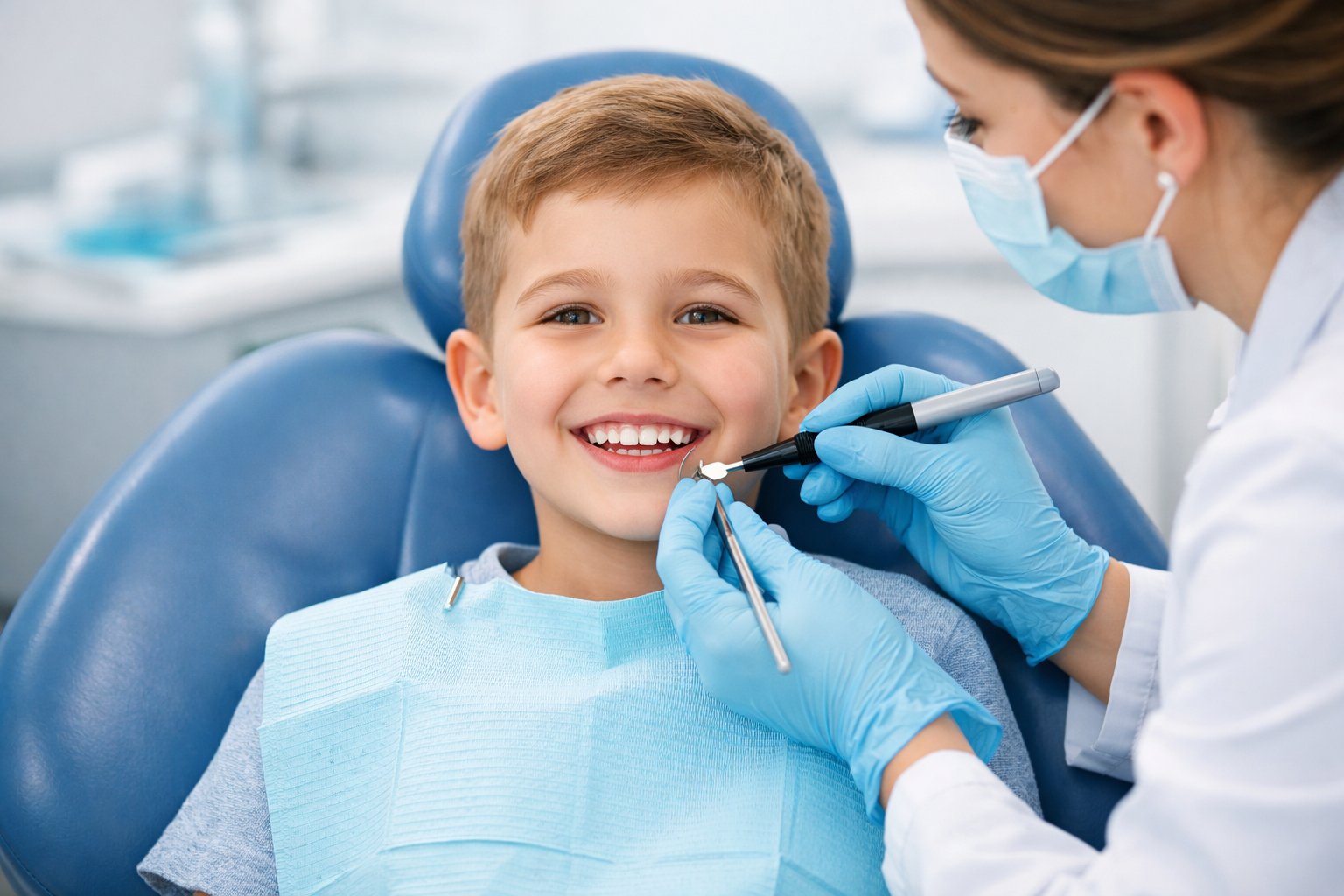
Many parents don’t realize how easy it is to protect their child’s teeth from decay. Children can avoid painful cavities and costly fillings when they receive sealants early.
Sealants are safe, effective, and often covered by dental insurance.
In this article, we’ll explain what dental sealants are and how they work to shield teeth from harmful bacteria. We’ll also walk you through the quick application process and answer common questions parents have about this preventive treatment.
Key Takeaways
- Dental sealants are protective coatings that prevent most cavities in children’s back teeth
- The application process is quick, painless, and can protect teeth for several years
- Regular brushing, flossing, and dental visits are still needed even with sealants in place
What Are Dental Sealants?
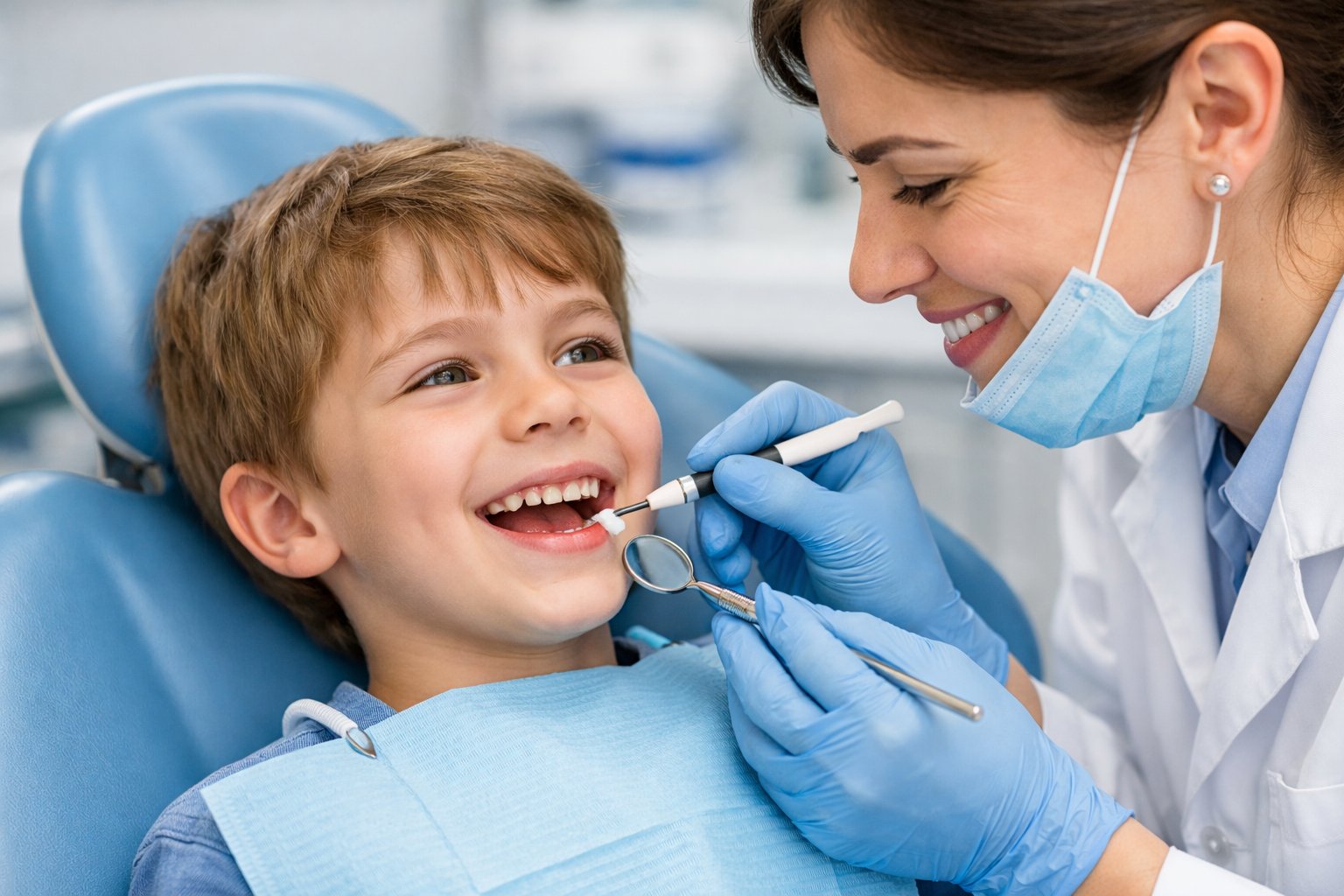
Dental sealants are thin protective coatings that dentists apply to the chewing surfaces of back teeth. These coatings seal off the deep grooves where food and bacteria often get trapped.
Definition and Purpose
Dentists paint plastic coatings onto the chewing surfaces of teeth. The sealant bonds into the grooves and pits, creating a smooth surface that shields the enamel from bacteria and food particles.
The main purpose of sealants is to prevent tooth decay in areas that regular brushing can’t reach. Back teeth have natural grooves that can trap food debris.
Even careful brushing sometimes misses these tiny spaces.
When we apply sealants, we create a barrier that stops bacteria from settling into these grooves. This protection is especially helpful for children who are still learning proper brushing techniques.
Materials and Safety of Sealants
We make dental sealants from safe plastic materials, usually resin-based compounds or glass ionomer cement. BPA-based resin is the most common type and hardens under a special curing light.
Researchers have tested these materials for decades, and dentists have used them safely for both children and adults.
The amount of BPA exposure from sealants is extremely low. Studies show this level is far below what people encounter from food packaging or other common sources.
Targeted Teeth: Molars and Premolars
Dentists usually apply sealants to molars and premolars, as these teeth are most likely to develop cavities. The first permanent molars appear around age 6, and the second permanent molars come in around age 12.
Teeth that benefit most from sealants:
- First permanent molars (age 6)
- Second permanent molars (age 12)
- Premolars (ages 10-12)
Back teeth do the heavy work of chewing and have the deepest grooves. Their location makes them harder to reach with a toothbrush.
We focus on sealing these teeth as soon as they come in, before cavities have a chance to form.
How Dental Sealants Work
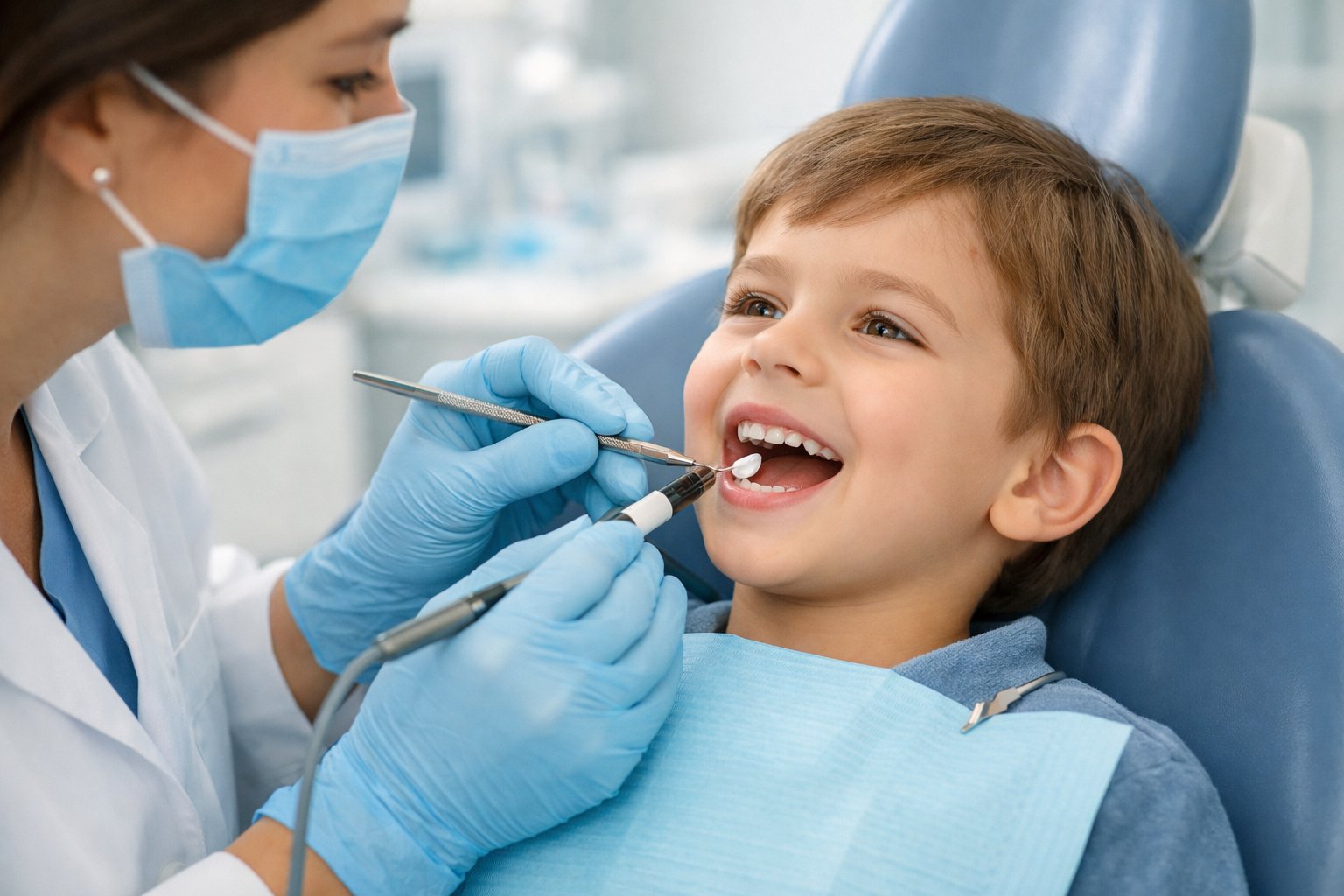
Dental sealants create a protective shield over teeth by filling in the natural grooves where food and bacteria get trapped. They work best on chewing surfaces and prevent up to 80% of cavities in treated teeth.
Mechanism of Protection
Dental sealants create a smooth, protective coating over the deep pits and grooves in teeth. Dentists apply a thin plastic resin directly onto the tooth surface, where it bonds to the enamel and hardens into a durable barrier.
This barrier keeps food and bacteria out of the tiny crevices. Without sealants, these grooves can be too narrow for toothbrush bristles to clean.
The sealant material acts like a raincoat for teeth. It blocks acids and sugars from reaching the enamel underneath.
Key Role on Chewing Surfaces
Back teeth have deep grooves and pits that are hard to clean thoroughly. Most cavities in children and teens form on these chewing surfaces.
Dentists usually apply sealants to the molars and premolars because these teeth grind food and have the deepest grooves.
Even with good brushing habits, it’s nearly impossible to reach every groove.
Most common teeth for sealants:
- First molars (age 6)
- Second molars (age 12)
- Premolars (age 10-12)
Sealants fill in these vulnerable areas completely. This creates a flat, easy-to-clean surface instead of a bumpy one full of hiding spots for bacteria.
Effectiveness in Preventing Cavities
Studies show that dental sealants prevent cavities in 80% of treated teeth for the first two years. Even after four years, they still prevent about 50% of cavities.
Children without sealants get almost three times more cavities in their molars than children with sealants.
We can reapply sealants if they wear down over time. With proper care, many sealants protect teeth for up to 10 years.
The Dental Sealant Application Process
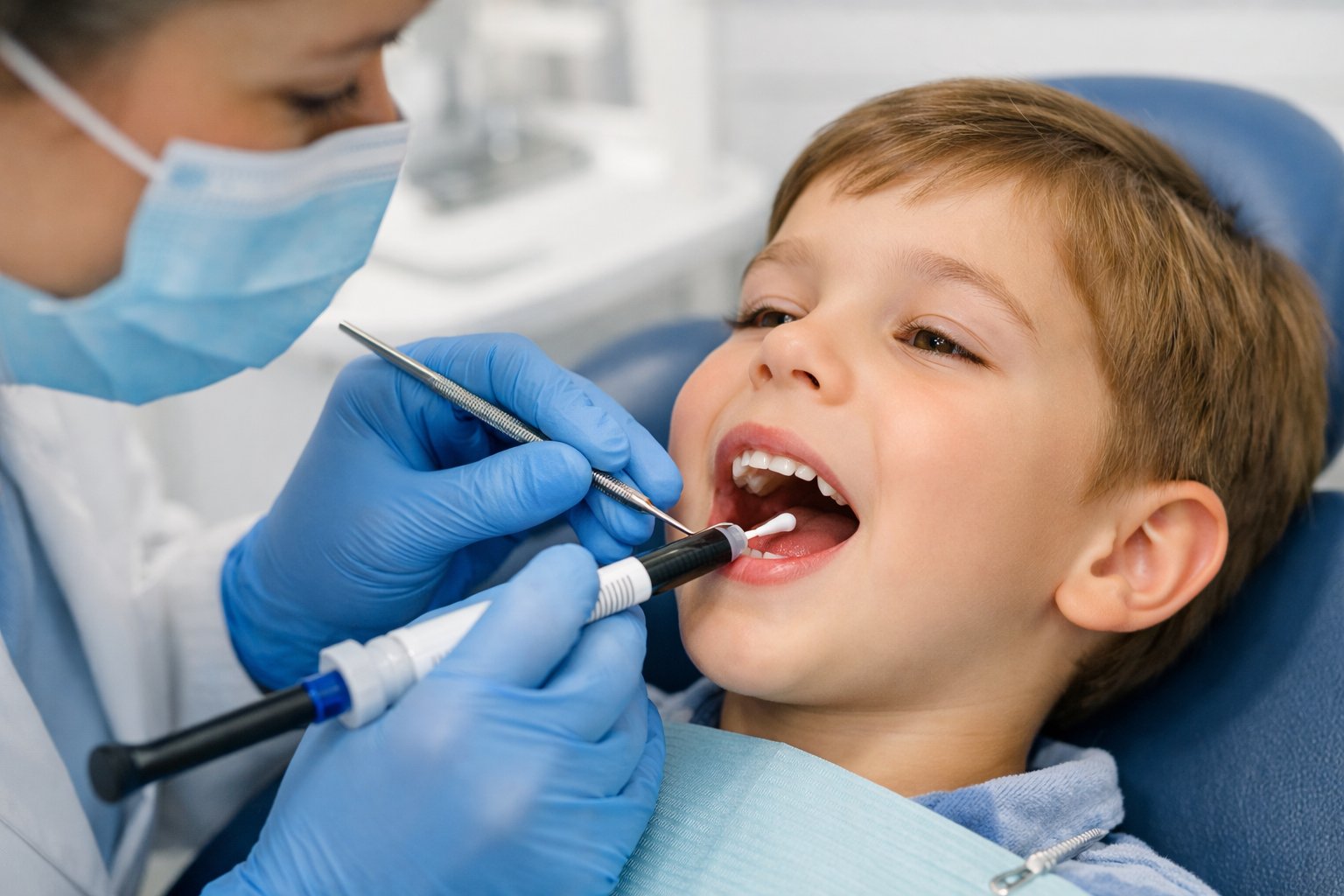
Dentists can apply dental sealants quickly and painlessly, usually in just a few minutes per tooth. The process involves cleaning the tooth, preparing it with a special solution, and painting on the sealant before hardening it with light.
Step-by-Step Application
We start by cleaning the tooth surface to remove any food and plaque. A dental hygienist uses a rotating brush or air polishing device for this step.
Next, we dry the tooth and place cotton or a rubber dam around it to keep it dry. We apply an acidic gel to the chewing surface for about 15 to 30 seconds to roughen it up.
After rinsing off the gel and drying the tooth again, we paint the liquid sealant directly onto the enamel. The sealant flows into the grooves and pits.
We make sure to cover all the deep grooves where cavities usually form.
The Role of Curing Light
We use a curing light to harden the liquid sealant material in just 20 to 40 seconds per tooth. The light triggers a chemical reaction that turns the sealant from a liquid into a solid protective coating.
Some sealant materials are self-curing and don’t need a light, but light-cured sealants are more common in pediatric dentistry because they set faster and give us control over the timing.
When and Who Should Receive Sealants
We recommend applying sealants as soon as a child’s permanent molars come in, usually around age 6 for the first molars and age 12 for the second molars. Early application protects teeth during the cavity-prone years of ages 6 to 14.
Children and teenagers are the main candidates for sealants, but adults without decay or fillings in their molars can also benefit. We focus on the back teeth because these have the deepest grooves and are hardest to clean.
Primary (baby) teeth may also receive sealants if they have deep grooves or if a child is at high risk for cavities.
Maintaining Optimal Oral Health Alongside Sealants
Sealants work best when combined with daily oral hygiene and professional dental care. We need to maintain good brushing and flossing habits, use fluoride products, and visit the dentist regularly.
Brushing and Flossing Habits
We should brush our children’s teeth twice daily for two minutes each time. Brushing in the morning and before bed removes food particles and plaque that sealants alone can’t address.
Proper brushing technique includes:
-
Using a soft-bristled toothbrush
-
Holding the brush at a 45-degree angle to the gums
-
Making small circular motions on all tooth surfaces
-
Brushing the tongue to remove bacteria
Flossing once per day cleans between teeth where sealants don’t reach. We need to guide children through flossing until they can do it on their own, usually around age 10 or 11.
The spaces between teeth collect food and bacteria that cause cavities and gum disease. Even with sealants, we must clean these areas daily.
Role of Fluoride and Other Preventive Measures
Fluoride strengthens tooth enamel and helps prevent decay on all tooth surfaces. We should use fluoride toothpaste twice daily.
Use a rice-grain amount for children under three and a pea-sized amount for older children.
Our dentist may recommend fluoride treatments during regular visits. These professional applications provide extra protection, especially for children at higher risk of cavities.
Fluoride works differently than sealants by making the entire tooth surface more resistant to acid attacks.
We can also limit sugary snacks and drinks between meals. Bacteria in the mouth feed on sugar and produce acid that damages teeth.
Drinking water throughout the day helps rinse away food particles and keeps saliva levels healthy.
Regular Dental Care and Checkups
We need to schedule dental checkups every six months for our children. The dentist examines sealants for chips or wear and reapplies them if needed.
During checkups, the dental team cleans areas we might miss at home. They remove hardened plaque and check for early signs of cavities or gum problems.
The dentist also monitors how teeth grow and develop. They can spot issues early and recommend extra preventive measures based on each child’s needs.
Frequently Asked Questions
Parents often want to know about costs, safety, and how long sealants last. We’ve answered the most common questions about dental sealants for children below.
What are the benefits and drawbacks of dental sealants for children?
Dental sealants reduce cavities in molars by up to 80% in the first two years after application. They provide a protective barrier that keeps food and bacteria out of the grooves in back teeth.
This protection is especially useful for children who are still learning proper brushing techniques.
The main drawback is that sealants only protect the chewing surfaces of teeth. They don’t prevent cavities between teeth or on other surfaces.
Sealants can wear down over time and may need to be reapplied every few years.
Some children may feel a temporary odd sensation on their teeth right after application. The process takes only a few minutes per tooth and doesn’t require drilling or numbing.
How much does it typically cost to have sealants applied to a child’s teeth?
Dental sealants usually cost between $30 and $60 per tooth. Most children need sealants on four permanent molars, so the total cost ranges from $120 to $240.
Most dental insurance plans pay for 80% to 100% of the cost for children under 18. Check with your insurance provider before making an appointment.
Some state Medicaid programs cover sealants for eligible children. School-based dental programs sometimes offer sealants for free or at a low cost.
Community health centers may also offer reduced fees based on family income.
What potential side effects should parents be aware of when considering dental sealants for their kids?
Dental sealants rarely cause side effects. Some children notice a plastic taste in their mouth right after the dentist applies the sealant.
This taste usually disappears within a few hours. Allergic reactions to sealant materials are extremely rare.
If your child has allergies to plastic or resin, tell your dentist before the procedure. The sealant may feel a little rough or uneven at first.
Children usually get used to this feeling within a day or two. If a sealant chips or falls off, the dentist will need to replace it to keep the tooth protected.
Is there any scientific evidence to support the safety of dental sealants for children?
The American Dental Association and the Centers for Disease Control and Prevention both support dental sealants as safe and effective. These organizations have reviewed many years of research on sealant safety.
Studies show that BPA exposure from dental sealants is much lower than what children get from food packaging. A 2016 review found that BPA exposure from sealants is 100 times lower than the safe daily limit set by health authorities.
More than 40 years of clinical use and research support the safety of dental sealants.
How do dental sealants compare in preventing cavities in children versus adults?
Sealants protect tooth surfaces in both children and adults. Children benefit more because their new permanent molars usually do not have cavities yet.
Adults often already have fillings or cavities in their molars, so dentists cannot always apply sealants. Children who receive sealants on healthy teeth can prevent cavities from starting.
Studies show that children with sealants have three times fewer cavities in sealed teeth compared to those without sealants. The protection works best when dentists apply sealants soon after permanent molars come in, around ages 6 and 12.
Is it possible to remove dental sealants once they have been applied?
Dentists use a dental drill to remove dental sealants if needed. This process is quick and usually does not harm the tooth enamel.
Sealants usually stay in place unless they get damaged or a cavity forms underneath. They gradually wear away over 5 to 10 years from normal chewing.
Dentists check sealants during regular visits and reapply them if necessary. They remove sealants when placing a filling or if the sealant traps bacteria against the tooth.
This situation is rare when dentists apply sealants to clean, dry teeth.
📞 Contact Kaufman Dentistry Today
Give us a call at (310) 838-7780 to schedule your appointment and take the first step towards a stunning smile.
You can find us at 10760 Washington Blvd., Culver City, CA 90232. We look forward to welcoming you to our practice and helping you achieve the smile of your dreams!