
How Oral Infections Can Affect the Immune System
Your mouth helps you eat and speak. It also acts as a gateway to your body.
Infections in your mouth can weaken your overall health. When harmful bacteria from oral infections enter your bloodstream, they trigger immune responses that strain your body’s defenses and can lead to health problems beyond your teeth and gums.
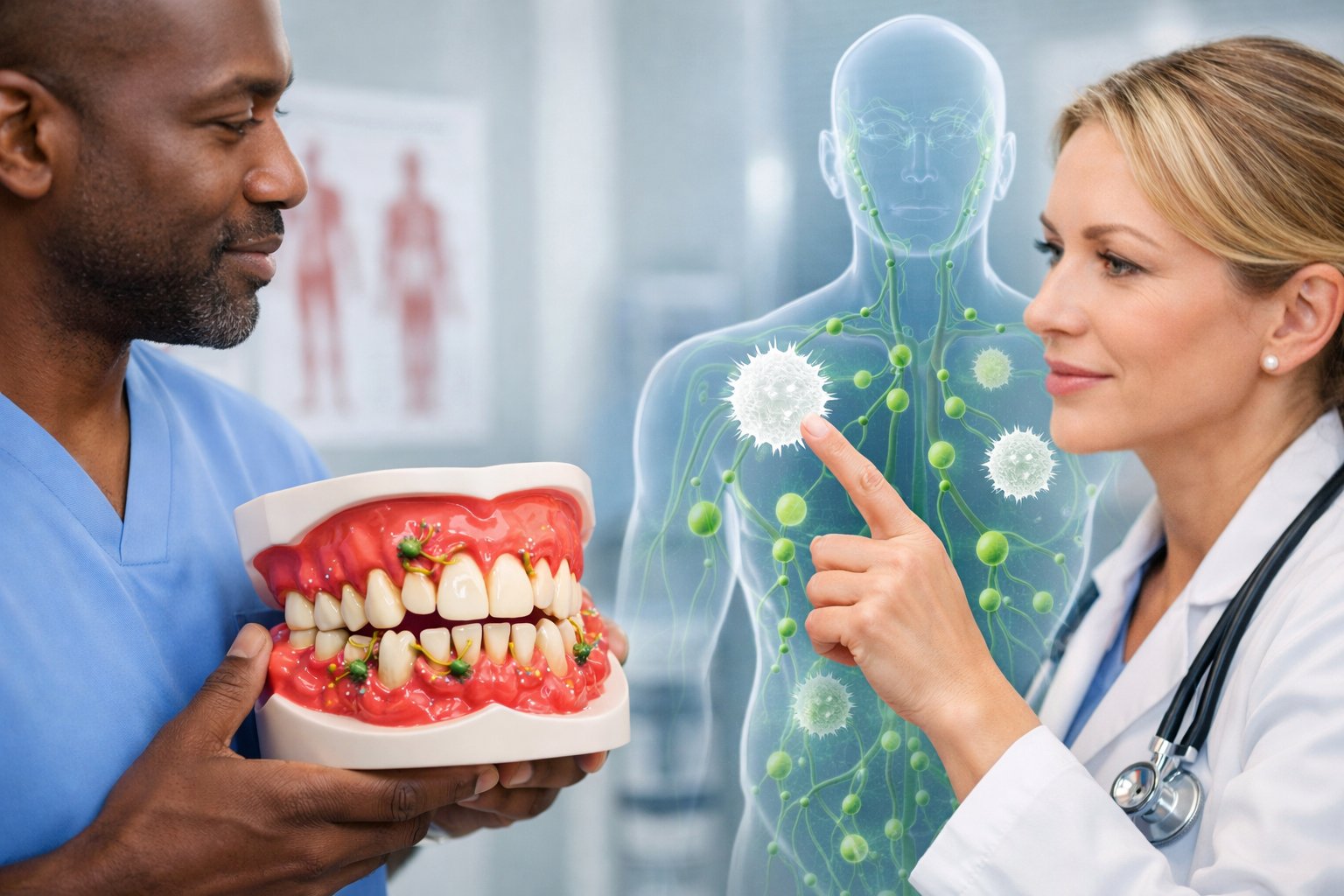
Many people think dental problems only affect the mouth. But research shows that infections in your mouth can impact your heart, lungs, and other organs.
Your immune system works to fight off these bacteria. Chronic oral infections keep your immune system on high alert.
Key Takeaways
- Oral infections let harmful bacteria enter your bloodstream and trigger immune responses throughout your body.
- Chronic gum disease makes your immune system work overtime, which can weaken your defenses against other health threats.
- Good oral hygiene like regular brushing and dental visits helps protect both your mouth and your overall immune health.
The Connection Between Oral Infections and the Immune System
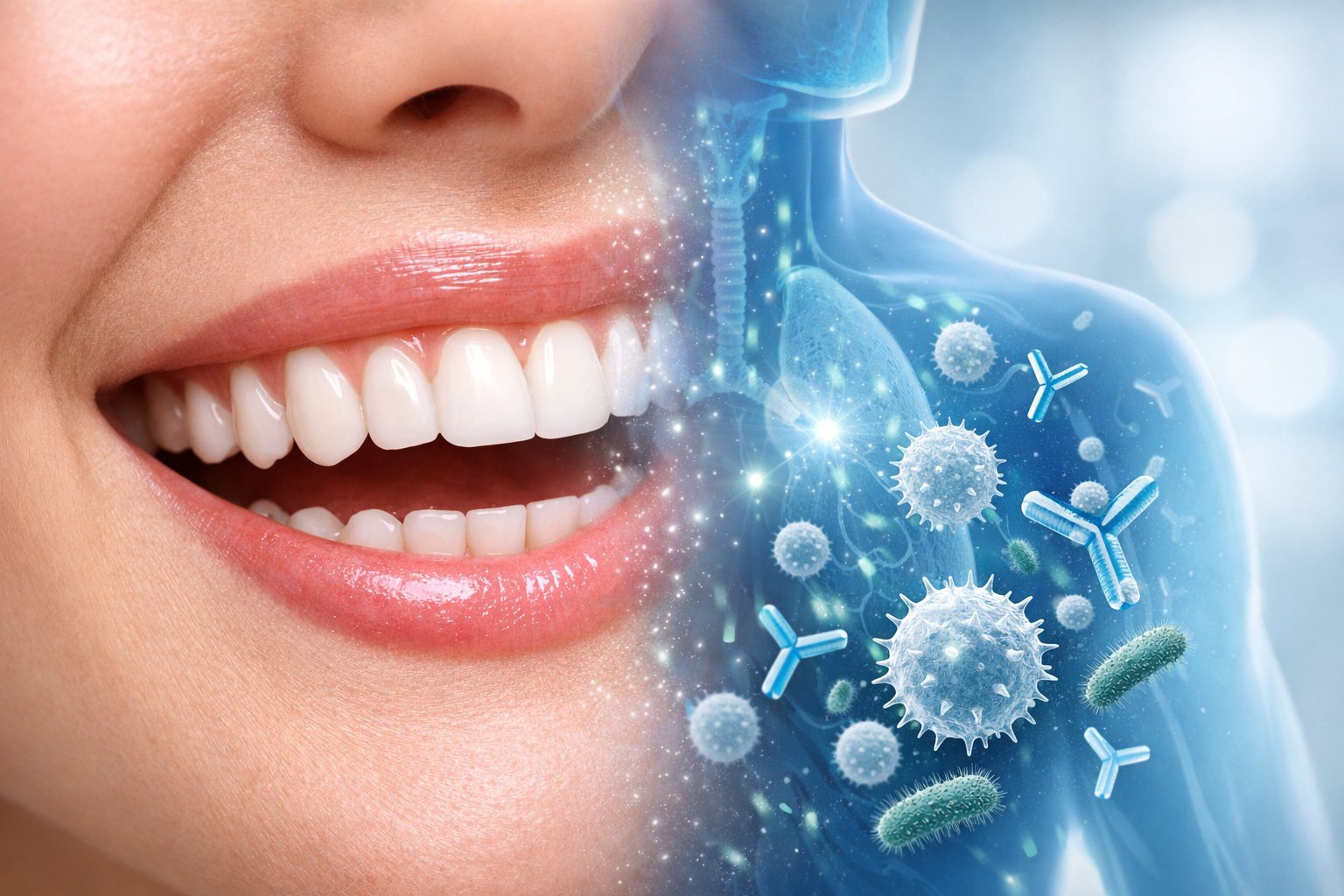
Oral infections activate your body’s defense systems through direct contact with immune cells in the mouth. Harmful oral bacteria can spread inflammation throughout your body.
The balance of microbes in your mouth plays a big role in whether your immune system stays healthy or becomes overworked.
How Oral Infections Trigger Immune Responses
When oral infections develop, your immune system detects harmful bacteria through the oral mucosa. This tissue acts as a barrier and contains immune cells that recognize threats.
Your body sends neutrophils and macrophages to the infection site within hours. Neutrophils arrive first and destroy bacteria by engulfing them.
Macrophages follow to clean up dead cells and release immune signaling molecules called cytokines. These chemicals alert other parts of your body to the infection.
When oral infections persist, they cause systemic inflammation that affects organs beyond the mouth. Bacteria and inflammatory molecules enter your bloodstream through damaged gum tissue.
Chronic oral infections keep your immune system active constantly. This ongoing response can weaken your overall immune health over time.
Types of Oral Infections That Impact Immunity
Periodontal disease is the most common oral infection affecting immunity. It damages the gums and bone supporting your teeth while creating pockets where bacteria multiply.
Dental abscesses form when bacteria infect the tooth pulp or surrounding tissues. These infections trigger strong immune responses and can spread to the jaw and neck.
Other oral diseases that challenge your immune system include:
- Oral candidiasis (thrush)
- Gingivitis
- Pericoronitis
- Oral herpes infections
Each type of oral infection involves different bacteria or microbes. Periodontal disease often involves anaerobic bacteria like Porphyromonas gingivalis, while abscesses may contain Streptococcus species.
Oral Microbiome and Immune System Interactions
Your oral microbiome contains over 700 types of bacteria, fungi, and viruses. Most of these microbes are harmless or helpful when balanced.
A healthy oral microbiome trains your immune system to tell the difference between helpful and harmful organisms. Good bacteria compete with pathogens for space and nutrients.
Poor oral hygiene or certain health conditions let harmful bacteria overgrow. This imbalance disrupts normal immune function in the mouth.
Your immune cells may overreact to harmless bacteria or fail to control real threats. The interaction between oral microbes and your immune system goes both ways.
Your immune response shapes which bacteria thrive in your mouth. These bacteria also influence how strongly your immune system reacts.
How Oral Infections Influence Systemic Health

Oral infections don’t stay in the mouth. Bacteria and inflammation from oral infections can enter the bloodstream and trigger immune responses throughout the body.
This process can lead to chronic inflammation and affect many organs.
Chronic Inflammation and Immune Burden
When you have oral infections like periodontal disease, your immune system works constantly to fight the bacteria. This creates chronic inflammation that stresses your entire body.
The inflammation from oral infections keeps your immune system active all the time. Your white blood cells keep responding to oral microbes, which uses up immune resources.
This ongoing immune burden can make it harder for you to fight other infections and health problems. Bacteria from infected gums can enter your bloodstream during activities like chewing or brushing.
Once in the blood, these microbes trigger inflammation throughout the body. This type of low-level inflammation can affect organs and tissues far beyond the mouth.
Links to Systemic Diseases
Research shows clear connections between oral infections and serious health conditions. People with periodontal disease have higher rates of cardiovascular disease.
The bacteria from gum infections can attach to blood vessel walls and contribute to plaque buildup. Oral infections also affect diabetes management.
Chronic inflammation from periodontal disease makes it harder to control blood sugar levels. People with diabetes and gum disease often struggle more with both conditions.
Studies link oral infections to stroke risk as well. The inflammation from oral infections can affect blood vessels in the brain.
Oral health and rheumatoid arthritis also connect, with both involving similar inflammatory processes. Other conditions linked to oral infections include autoimmune diseases and certain cancers.
Oral candidiasis can signal immune system problems. Poor oral health raises the risk of head and neck cancer and oral cancer.
Role of Gut-Oral Axis in Immune Regulation
Your mouth and gut work together as parts of your digestive system. Oral microbes travel from your mouth to your gut when you swallow saliva and food.
This creates a pathway for oral bacteria to affect your gut microbiome. The balance of bacteria in your mouth influences the balance in your intestines.
When oral infections disrupt your mouth bacteria, your gut bacteria can change too. Most of your immune cells live in your gut, so changes there affect your whole immune system.
Bad bacteria from oral infections can upset the healthy gut microbiome. This disruption affects how your immune system works and responds to threats.
A healthy oral microbiome helps keep your gut healthy, which supports better immune regulation throughout your body.
Oral Hygiene Habits That Protect the Immune System

Good oral hygiene reduces harmful bacteria in the mouth and helps prevent infections that weaken the immune system. You can protect your health through daily care routines, professional dental visits, smart dietary choices, and staying hydrated.
Effective Daily Oral Care Practices
Brush twice daily with fluoride toothpaste to remove plaque and bacteria. Brushing in the morning and before bed prevents plaque buildup that can lead to gum infections.
Floss once a day to clean between teeth where your toothbrush cannot reach. Floss removes food particles and plaque that cause inflammation and bacterial growth.
When you brush and floss consistently, you reduce the risk of oral infections spreading to your bloodstream. Using mouthwash after brushing gives extra protection against bacteria.
Antimicrobial mouthwash helps kill germs that brushing and flossing miss.
Key daily practices:
- Brush for two minutes each time
- Replace your toothbrush every three months
- Clean your tongue to remove bacteria
- Use gentle circular motions when brushing
Plaque turns into tartar within 24-72 hours if not removed. You need to maintain these habits every day.
Importance of Regular Dental Visits
Professional cleanings remove tartar that you cannot eliminate with regular brushing. Dental hygienists use special tools to clean below the gum line where infections often start.
Schedule dental checkups every six months for early detection of problems. Regular dental visits let dentists spot signs of gum disease, cavities, and oral infections before they become serious.
Catching issues early prevents bacteria from entering your bloodstream and challenging your immune system. During dental check-ups, professionals can identify risk factors you might miss at home.
They check for warning signs like bleeding gums, loose teeth, or unusual sores. These appointments also include oral cancer screenings that protect your overall health.
Professional cleanings reduce inflammation in your gums, which benefits your immune response.
Diet and Lifestyle for a Healthy Mouth and Immunity
A balanced diet supports healthy gums and strong immune function. Eat foods rich in vitamin C, like oranges and strawberries, to maintain gum tissue and fight infections.
Zinc from nuts, seeds, and lean meats helps your immune cells work properly and promotes healing in your mouth. Drink water throughout the day to wash away food particles and bacteria.
Water also helps your body produce saliva, which naturally protects against oral infections.
Foods that support oral and immune health:
- Crunchy vegetables like carrots and celery
- Dairy products with calcium
- Leafy greens with vitamins
- Lean proteins for tissue repair
Limit alcohol because it dries out your mouth and reduces saliva. If you quit smoking, you lower your risk of gum disease and oral infections.
Smoking weakens your immune system and damages gum tissue, making it easier for bacteria to cause problems.
Role of Saliva and Preventing Dry Mouth
Saliva acts as your mouth’s natural defense by washing away bacteria and neutralizing acids. It contains antibodies and proteins that fight infections before they can harm you.
When you have enough saliva, you keep your gums healthy and reduce bacterial growth. Dry mouth creates an environment where harmful bacteria multiply quickly.
You can develop dry mouth from medications, breathing through your mouth, or not drinking enough water. This condition increases your risk of cavities, gum disease, and oral infections.
To prevent dry mouth, stay hydrated and breathe through your nose when possible. Chewing sugar-free gum stimulates saliva production.
If you experience teeth grinding or bruxism, address it because it can contribute to dry mouth and damage your teeth. Use a humidifier at night to keep moisture in the air.
For persistent dry mouth, talk to your dentist about artificial saliva products or medications that increase saliva flow.
Gum Disease and Its Broader Impact on Immunity
Gum disease triggers immune responses that reach beyond the mouth. The bacteria responsible for gum inflammation can enter the bloodstream and activate immune cells throughout the body.
Gingivitis, Periodontitis, and the Immune System
Gingivitis is the earliest stage of gum disease, marked by bleeding gums and mild gum inflammation. When you don’t remove plaque regularly, your immune system sends white blood cells to fight the oral bacteria along the gum line.
If gingivitis goes untreated, it can progress to periodontitis. This advanced form damages the tissues and bone supporting your teeth.
Your immune system responds more aggressively at this stage, releasing inflammatory molecules called cytokines. The constant immune activation from periodontitis puts stress on your body’s defense system.
White blood cells that should protect you from other infections get redirected to fight the ongoing battle in your gums. This can weaken your overall immune response to other health threats.
Molecular Pathways Linking Gums and Immune Response
Porphyromonas gingivalis causes periodontitis. This bacterium produces proteins that disrupt our immune system’s normal function.
It manipulates our immune cells to create more inflammation instead of healing. When oral bacteria enter our bloodstream through damaged gums, they trigger immune responses.
Our body releases C-reactive protein and other inflammatory markers. These markers also appear in conditions like heart disease and diabetes.
The immune system uses toll-like receptors to detect oral bacteria. These receptors tell our cells to make more inflammatory molecules.
These molecules can spread throughout our body and affect organs far from our mouth.
Oral Bacteria and Systemic Complications
Oral bacteria from gum disease appear in atherosclerotic plaques in blood vessels. These bacteria travel through our bloodstream and contribute to cardiovascular problems.
Research links periodontitis to several systemic conditions:
- Diabetes: Gum inflammation makes blood sugar harder to control.
- Rheumatoid arthritis: Shared inflammatory pathways worsen joint pain.
- Respiratory infections: Bacteria from our mouth can enter our lungs.
- Pregnancy complications: Immune activation may trigger early labor.
Our immune system sees oral bacteria as a constant threat when gum disease continues. This ongoing activation can exhaust immune cells and make us more vulnerable to other infections.
Frequently Asked Questions
Poor oral hygiene causes ongoing inflammation and forces the immune system to work harder. Bacteria from mouth infections can enter the bloodstream and trigger immune responses throughout the body.
What are the long-term effects of poor oral hygiene on the immune system?
Long-term neglect of oral health causes low-grade inflammation in the body. This inflammation keeps our immune system active and wears it down over time.
When we ignore oral hygiene, harmful bacteria multiply in our mouth. These bacteria release toxins that our immune system must fight.
This constant battle drains immune resources that should protect us from other threats. The immune system may become less effective at fighting new infections.
We might get sick more often or take longer to recover from illnesses.
How can diseases caused by inadequate dental care impact overall immune response?
Gum disease creates open pathways for bacteria to enter our bloodstream. Once bacteria travel through the body, our immune system must respond in several locations at once.
Periodontal disease makes our body produce higher levels of inflammatory chemicals. These chemicals circulate through our system and can affect organs far from the mouth.
Our immune cells become overworked trying to manage infections in the gums while also protecting other body parts. People with severe gum disease often have weaker responses to vaccines.
Their immune systems may not produce enough antibodies to protect against diseases.
What symptoms indicate a tooth infection is spreading systemically?
Fever is one of the first signs that an infection has moved beyond the tooth. When our body temperature rises above 100.4°F, our immune system is fighting bacteria in the bloodstream.
Swelling that spreads to the face, neck, or under the jaw signals a spreading infection. Difficulty swallowing or breathing may occur if swelling affects the throat area.
Rapid heartbeat and general weakness suggest our body is under serious stress from infection. Confusion or extreme fatigue can mean bacteria have reached vital organs.
These symptoms need immediate medical attention.
Can chronic oral infections lead to systemic immune dysfunctions?
Chronic mouth infections keep our immune system on constant alert. This ongoing activation can lead to immune exhaustion, where our defense system stops working properly.
Long-term oral infections may cause our immune system to attack healthy tissue. The constant presence of bacteria confuses immune cells about what to target.
Some studies link chronic gum disease to autoimmune conditions. Ongoing oral infections can change our white blood cell counts.
Too many white blood cells mean our body is always fighting. Too few mean our immune system has become depleted.
What is the significance of maintaining oral hygiene for immune system health?
Regular brushing and flossing remove bacteria before they cause inflammation. Keeping our mouth clean lets our immune system focus on protecting the rest of our body.
Good oral hygiene prevents deep pockets in gums where bacteria hide. These pockets become constant sources of infection that drain immune resources.
By preventing them, we reduce the overall burden on our immune system. Clean teeth and healthy gums mean fewer inflammatory chemicals in our bloodstream.
This helps our immune cells stay ready for real threats instead of fighting preventable mouth infections.
How do severe dental infections contribute to immune system weakening?
Severe tooth infections create large amounts of pus. This pus contains bacteria and dead immune cells.
Our body sends many white blood cells to fight these infections. This response uses up immune resources that the body needs elsewhere.
Abscesses demand so much immune attention that our defenses against other infections get weaker. As a result, we become more vulnerable to colds and flu.
The infection also releases toxins. These toxins can damage immune cells.
When dental infections reach the jawbone, the immune system reacts even more strongly. This reaction can cause too much inflammation and harm healthy tissue.
Our immune system becomes overwhelmed and cannot repair the damage quickly. The healing process takes longer.
📞 Contact Kaufman Dentistry Today
Give us a call at (310) 838-7780 to schedule your appointment and take the first step towards a stunning smile.
You can find us at 10760 Washington Blvd., Culver City, CA 90232. We look forward to welcoming you to our practice and helping you achieve the smile of your dreams!