
The Most Common Causes of Tooth Enamel Erosion and How to Prevent Them
Your tooth enamel is the hardest substance in your body, but it can still wear away over time. Enamel erosion happens when acids and other factors break down the outer protective layer of your teeth. This leads to sensitivity, discoloration, and a higher risk of cavities.
Understanding what causes this damage helps you protect your teeth before serious problems develop.
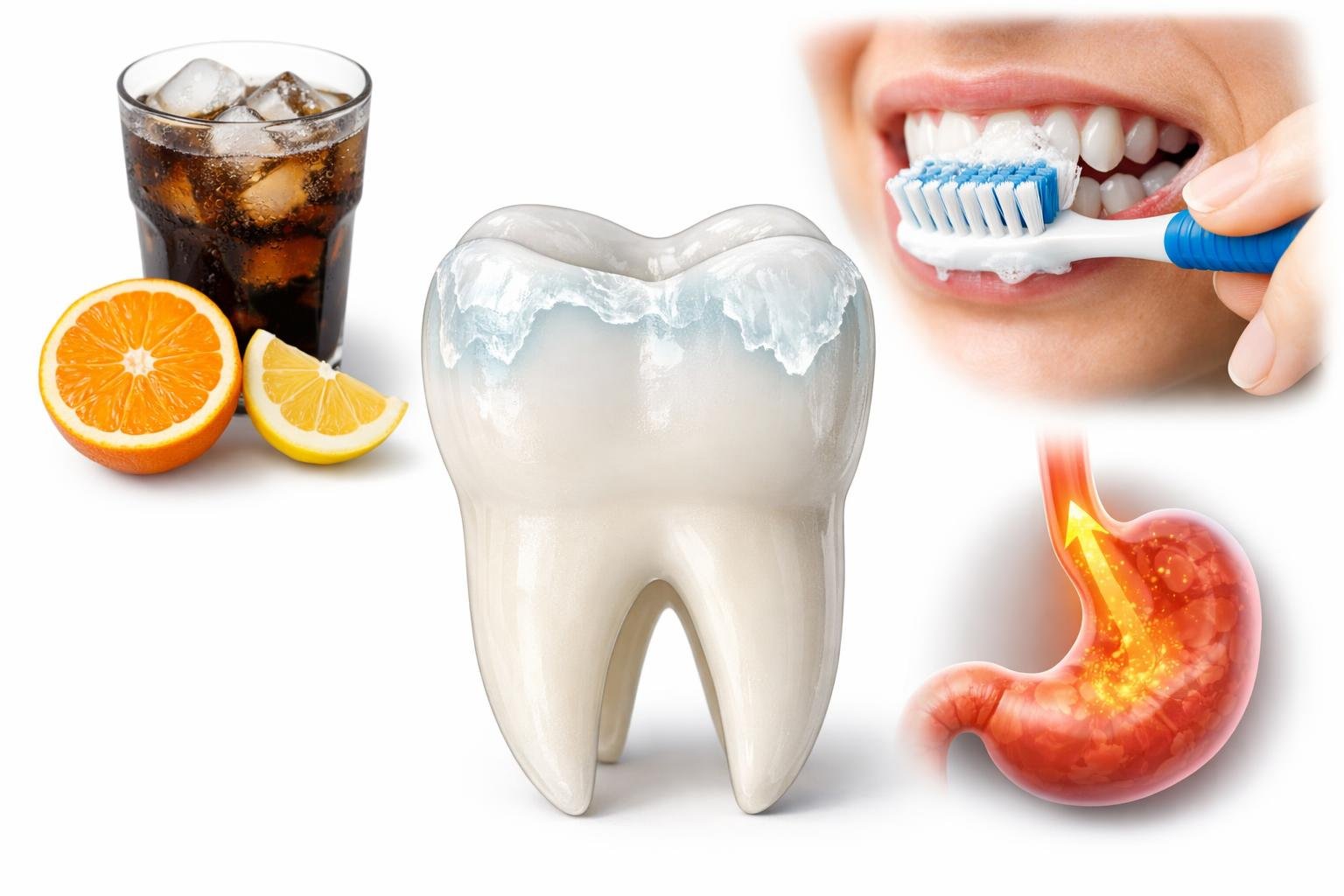
Many everyday habits and foods can harm your enamel. Acidic drinks, certain medications, and even how you brush your teeth can all contribute to tooth erosion.
Some factors are within your control, while others relate to medical conditions or genetics.
Key Takeaways
- Acids from foods, drinks, and stomach contents are the main cause of enamel erosion.
- Daily habits like aggressive brushing and lifestyle choices significantly impact your enamel health.
- Preventing enamel erosion requires understanding risk factors and making simple protective changes.
Understanding Tooth Enamel Erosion
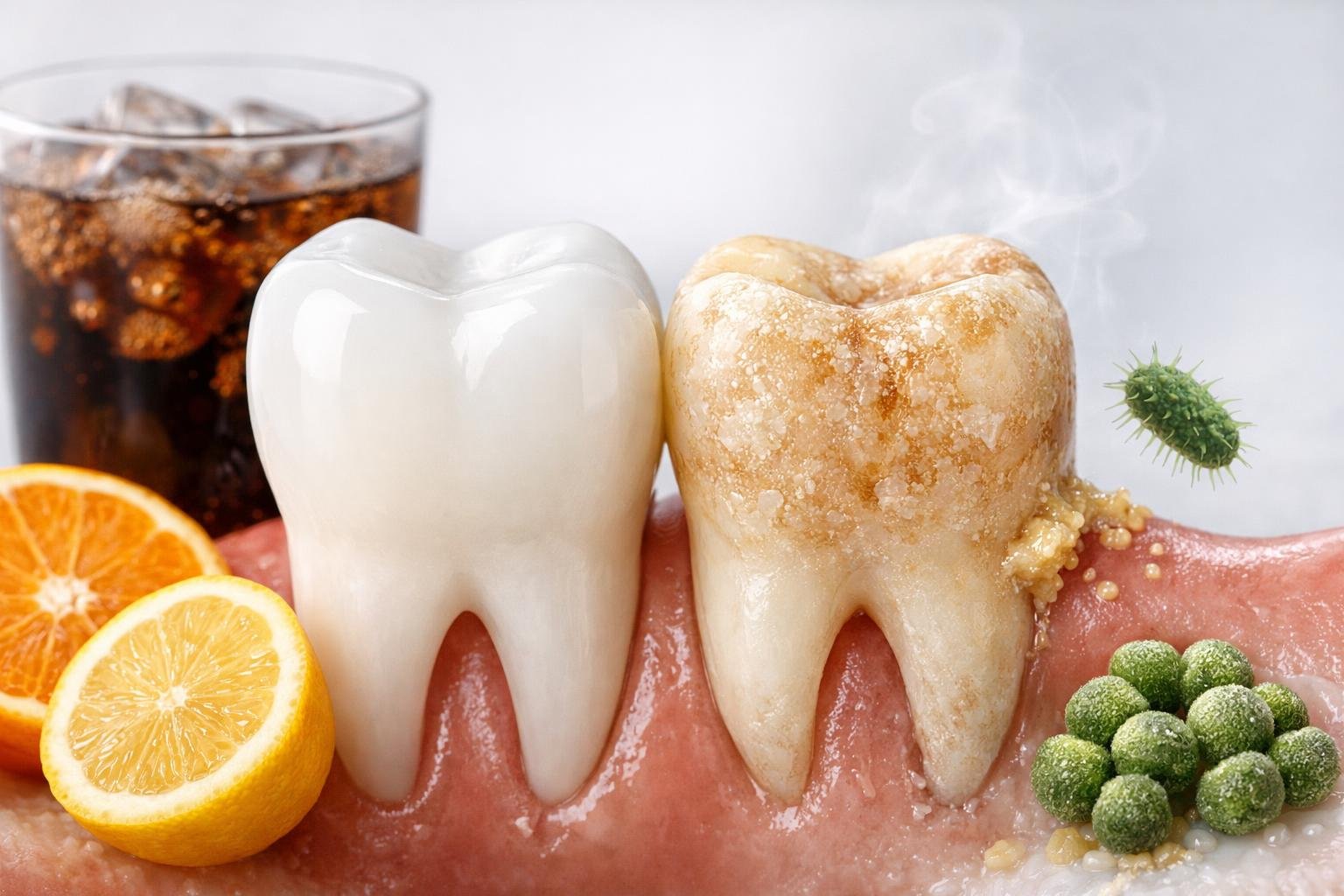
Tooth enamel is the hard outer layer that protects your teeth. When you lose enamel through erosion, the softer dentin underneath becomes exposed.
You can better protect your teeth when you understand what enamel erosion is, how it differs from tooth decay, and what symptoms to watch for.
What Is Tooth Enamel Erosion
Tooth enamel is the hardest substance in your body. It forms a protective shield over each tooth and defends against bacteria, hot and cold foods, and daily wear from chewing.
Acids can wear away this protective layer and cause enamel erosion. Tooth enamel cannot grow back or repair itself once it’s gone, so prevention is critical for long-term dental health.
When you lose enamel, the yellow dentin layer underneath shows through. Dentin is softer and more sensitive than enamel.
Demineralization is the process where minerals like calcium and phosphate dissolve from the tooth surface.
Tooth Enamel vs. Tooth Decay
Tooth erosion and tooth decay damage your teeth in different ways. Acids from foods, drinks, or stomach acid dissolve the enamel surface and cause erosion. This process affects the entire tooth surface evenly.
Bacteria in your mouth produce acids that create cavities and cause tooth decay. These cavities form as small holes or pits in specific areas of the tooth.
Decay usually starts in one spot and grows deeper, while erosion thins the enamel across broader areas.
Both conditions can lead to tooth sensitivity and tooth pain. Erosion typically causes smooth, shiny surfaces and rounded teeth. Decay creates rough spots and distinct holes.
Stages and Symptoms of Enamel Erosion
Enamel erosion develops gradually. In early stages, you might notice slight tooth discoloration as the enamel thins and more dentin shows through.
Your teeth may appear more yellow than before.
As erosion progresses, you may feel increased tooth sensitivity. Hot, cold, or sweet foods and drinks can cause sharp pain.
The exposed dentin contains tiny tubes that connect to the tooth’s nerve, making sensitivity worse.
Common signs of enamel erosion include:
- Tooth sensitivity to temperature and sweet foods
- Yellow or darker tooth discoloration
You might also see shiny or smooth spots on tooth surfaces. Rounded teeth or worn edges can appear.
Transparent or see-through areas may develop near biting edges. Small dents or cups can form on chewing surfaces.
Cracked teeth or rough edges may also result.
Advanced erosion causes serious complications. You may develop severe tooth pain, a higher risk of cavities, and structural damage.
Symptoms of tooth erosion often worsen over time if you do not address the underlying causes.
Primary Causes of Tooth Enamel Erosion
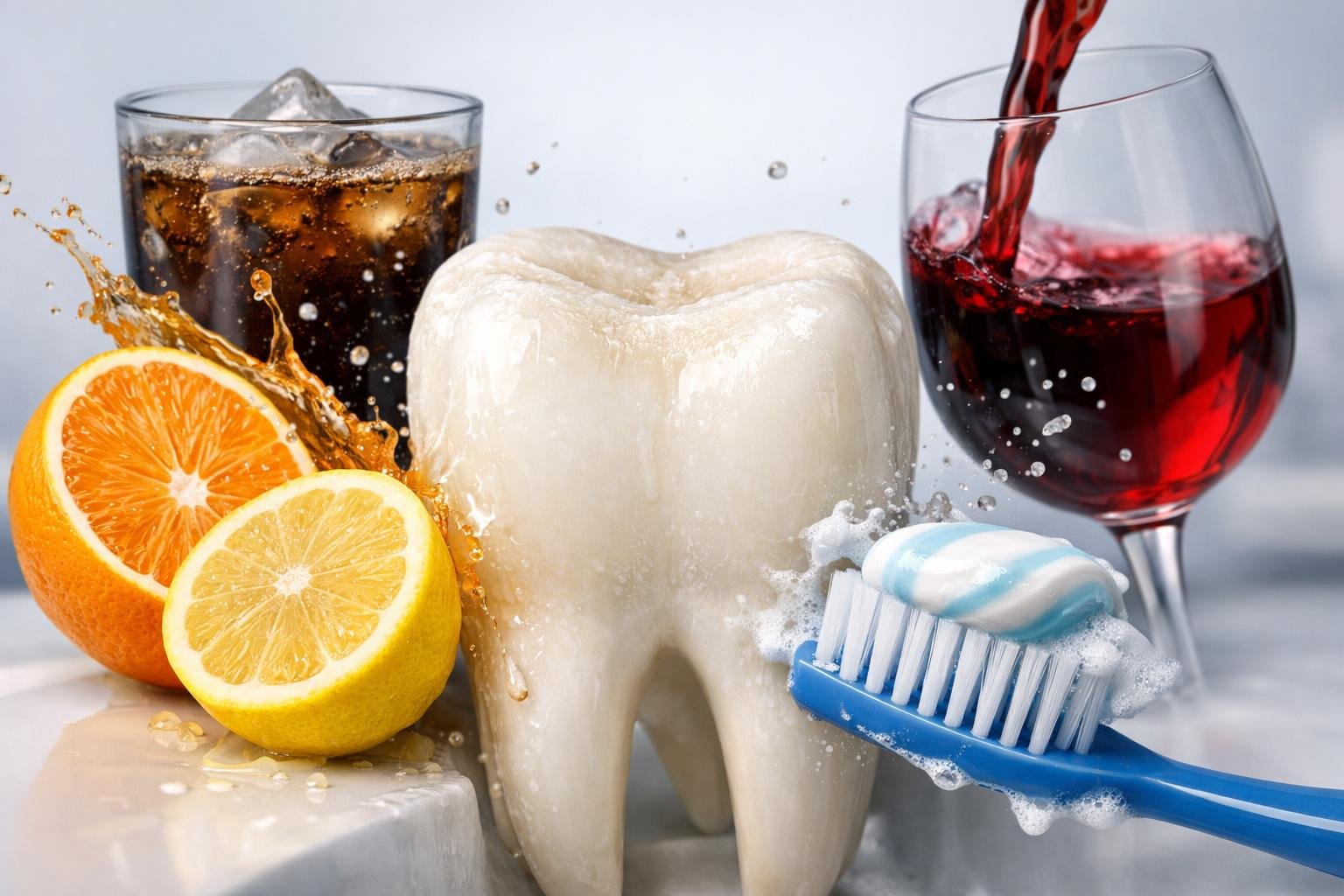
Acids break down tooth enamel and wear away its protective surface. What you eat and drink, along with some health problems, can increase acid exposure in your mouth.
Dietary Factors and Acidic Foods
Many foods contain acids that damage tooth enamel over time. Citrus fruits like lemons, limes, and grapefruits have high levels of citric acid.
Tomatoes and pickles are also acidic.
When you eat these acidic foods regularly, they lower the pH levels in your mouth. A pH below 5.5 starts to break down enamel.
Even foods that seem harmless can cause problems when you eat them often.
Common acidic foods that affect enamel:
- Citrus fruits and their products
- Tomato-based sauces
Pickled vegetables and vinegar-based dressings can also harm enamel. Sour candies are another risk.
Ice cream, especially with acidic toppings or after acidic foods, can contribute to enamel problems. The key is how often you expose your teeth to these acids, not just eating them occasionally.
Role of Acidic Drinks and Sodas
Acidic drinks pose a bigger threat to enamel than acidic foods because liquids coat all tooth surfaces. Sodas contain both sugar and acids, making them especially harmful.
Regular and diet soft drinks both damage enamel because they contain phosphoric acid or citric acid.
Sports drinks and energy drinks can be harmful as most contain high acid levels. Fruit juices, including orange juice, are naturally acidic even without added sugar.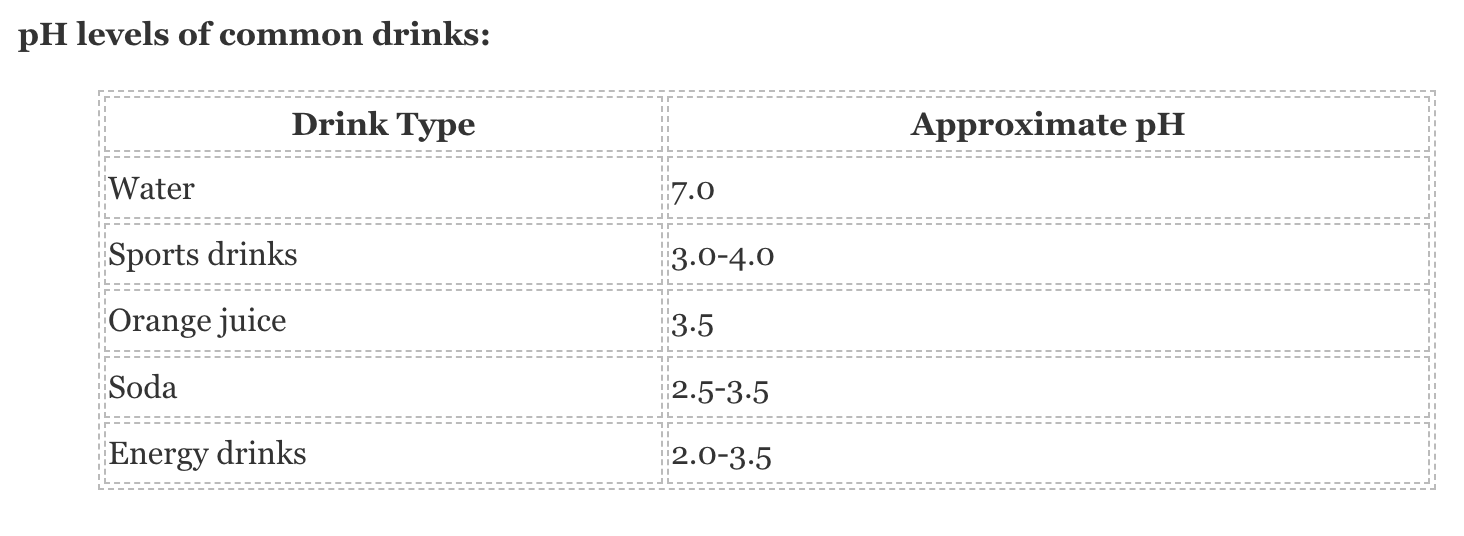
The most damage happens when people sip these drinks slowly over long periods. This keeps teeth bathed in acid for hours.
Gastrointestinal and Medical Conditions
Certain medical conditions bring stomach acid into your mouth and cause serious enamel erosion. Stomach acid has a pH of around 2.0, which is extremely corrosive to teeth.
Acid reflux, also called GERD, allows stomach acid to flow back up into the throat and mouth. This often happens at night when you lie down.
Frequent vomiting from bulimia nervosa or other conditions exposes teeth to stomach acid repeatedly.
Dry mouth, or xerostomia, creates another problem. If you do not produce enough saliva, your mouth cannot neutralize acids or wash them away.
Saliva helps repair early enamel damage and maintains healthy pH levels.
Low saliva flow can result from medications, medical treatments, or certain health conditions. Without enough saliva, even normal amounts of dietary acids can cause more damage.
Behavioral, Environmental, and Genetic Factors
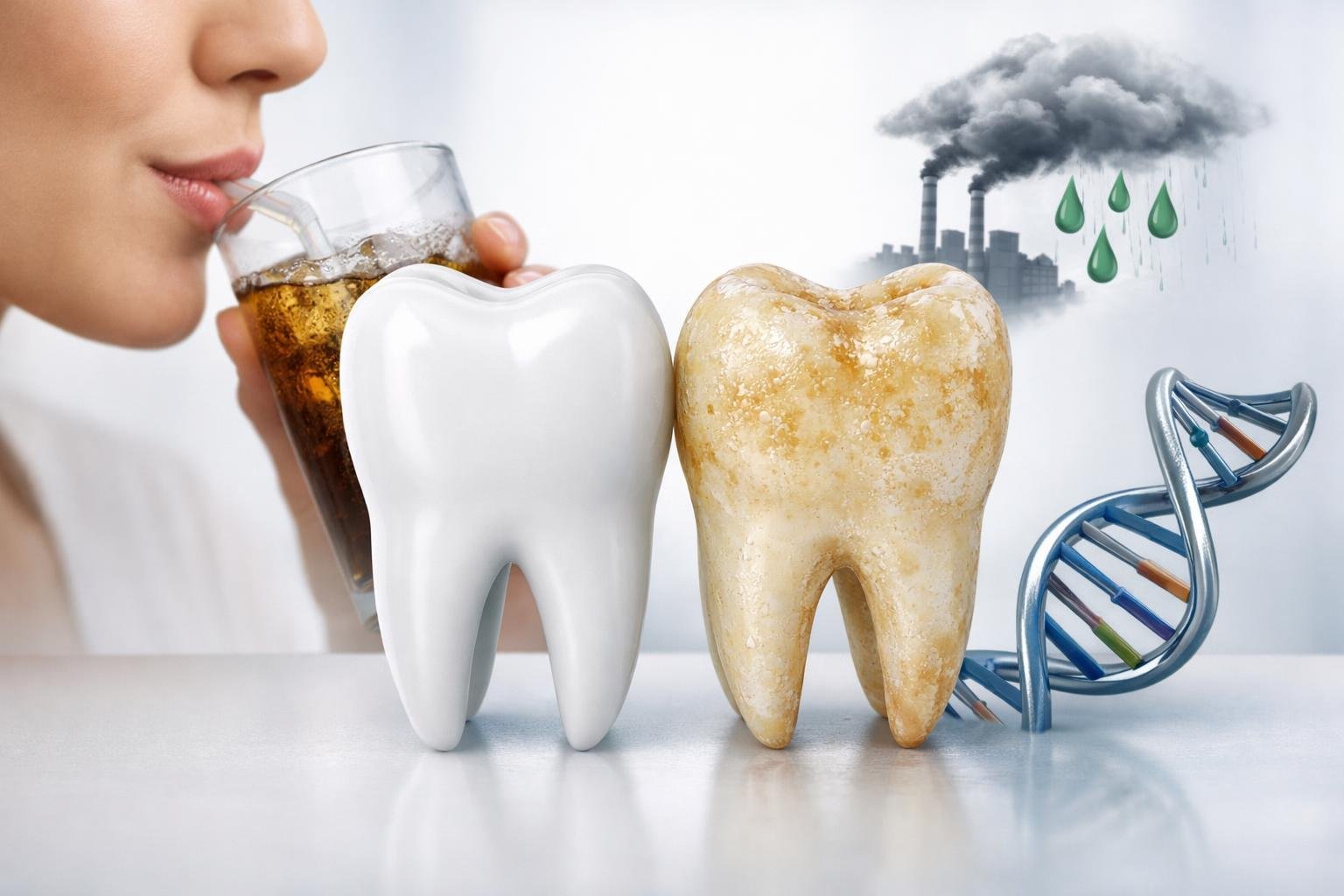
How you care for your teeth, your daily habits, and your genetic makeup all play important roles in enamel erosion. Some factors you can control, while others are part of who you are.
Brushing and Oral Hygiene Habits
Brushing and flossing are essential for oral hygiene, but improper technique can harm your enamel. Brushing too hard or using aggressive motions causes abrasion, which wears down the protective enamel layer.
You should always use a soft-bristled toothbrush and gentle circular motions. Hard-bristled brushes and scrubbing back and forth can damage enamel, especially when you brush right after consuming acidic foods or drinks.
Neglecting to brush and floss properly also causes problems. Plaque buildup produces acids that attack enamel and lead to decay.
The key is finding the right balance. Use a soft toothbrush and proper technique to protect your enamel while still removing plaque effectively.
Tooth Grinding and Physical Factors
Teeth grinding, or bruxism, causes significant tooth wear through attrition. Many people grind their teeth at night without realizing it.
Constant friction from bruxism wears down enamel over time. This creates flat surfaces on your teeth and can expose the softer dentin layer underneath.
Stress, anxiety, and sleep disorders can trigger teeth grinding.
You might notice jaw pain, headaches, or sensitive teeth. A dentist can fit you with a night guard to protect your teeth from grinding damage.
This device cushions your teeth and prevents the mechanical wear that leads to dental erosion.
Genetics and Age-Related Enamel Wear
Your genetics determine the thickness and hardness of your enamel from birth. Some people naturally have thinner or softer enamel that is more vulnerable to erosion.
Certain genetic conditions affect enamel formation directly, making it weaker or more porous. You cannot change these inherited traits, but knowing about them helps you take extra precautions.
Aging also plays a role in enamel wear. As you get older, your enamel naturally thins from years of use.
The wear accumulates over time, making your teeth more susceptible to erosion and sensitivity. Regular dental checkups become even more important as you age to monitor and protect your remaining enamel.
Prevention and Management of Enamel Erosion
You can protect your enamel through proper dental care habits, fluoride use, and professional treatments when damage occurs. These strategies work together to stop enamel erosion and restore tooth strength.
Protective Dental Care and Good Habits
Brush your teeth twice daily with a soft-bristled toothbrush and fluoride toothpaste. Hard bristles can scratch and wear down weakened enamel.
After eating acidic foods or drinks, wait 30 minutes before brushing. This gives your saliva time to neutralize acids and protect your enamel.
Rinse with water right after acidic exposure to help wash away acids.
Chew sugar-free gum between meals to increase saliva production. Saliva naturally protects your teeth by washing away acids and providing minerals that strengthen enamel.
Regular dental checkups every six months are essential to prevent tooth erosion. During these visits, your dentist can spot early signs of enamel loss and provide teeth cleaning to remove plaque buildup.
Visit your dentist more often if you have sensitive teeth or notice changes in your tooth surfaces.
Fluoride and Remineralization Strategies
Fluoride toothpaste strengthens tooth enamel and supports remineralization. Use toothpaste with at least 1,000 ppm of fluoride for best results.
Professional fluoride treatments at your dental office provide stronger protection than regular toothpaste. These treatments contain higher concentrations that help repair early enamel damage.
Your dentist may recommend these treatments every three to six months depending on your risk level.
At-home fluoride treatment options include prescription-strength toothpaste and mouth rinses. These products help manage dental erosion by delivering extra minerals to weakened areas.
You can also use remineralization products that contain calcium and phosphate to rebuild tooth structure.
Dental Treatments and Restoration Options
When enamel loss becomes severe, you need professional restoration to protect your teeth. Your dentist recommends treatments based on the extent of damage.
Common restoration options include:
- Dental bonding: A dentist applies tooth-colored resin to damaged areas.
- Fillings: Dentists use these to repair small areas of enamel loss and cavities.
- Dental crowns: Dentists place caps that cover and protect badly damaged teeth.
- Veneers: Thin porcelain shells attach to the front of teeth.
Dental bonding helps with minor enamel damage and sensitive teeth. A dentist uses cavity fillings to restore teeth with holes or weak spots.
Dental crowns provide full coverage for teeth with significant enamel loss. Porcelain veneers improve appearance and protect front teeth affected by erosion.
Frequently Asked Questions
Tooth enamel erosion raises many questions about its causes, treatment options, and prevention. Learning about contributing factors and available treatments helps protect teeth from further damage.
What are the primary factors that contribute to tooth enamel erosion?
Acidic foods and drinks cause most cases of enamel erosion. Sodas, citrus fruits, wine, and sports drinks contain acids that wear down enamel.
Acid reflux and frequent vomiting expose teeth to stomach acid. Medical conditions like GERD can cause ongoing enamel damage if untreated.
Dry mouth reduces saliva, which normally neutralizes acids and protects teeth. Certain medications and health conditions can lead to dry mouth.
Brushing aggressively with hard-bristled toothbrushes wears away enamel over time. Even cleaning habits can damage teeth.
Can tooth enamel be restored once it has eroded?
Tooth enamel cannot grow back once it erodes. Enamel does not contain living cells for repair.
You can strengthen weakened enamel in early stages through remineralization. Fluoride treatments and special toothpastes help restore minerals to slightly damaged enamel.
Dentists replace lost enamel with bonding, veneers, or crowns when erosion becomes severe. These procedures cover and protect damaged teeth.
What home remedies are effective for preventing further enamel erosion?
Drinking water after acidic foods or drinks helps rinse away acids. Wait at least 30 minutes before brushing to avoid spreading acid across teeth.
Using a straw for acidic beverages limits contact with teeth. This reduces exposure of enamel to acids.
Chewing sugar-free gum increases saliva production, which naturally protects enamel. Saliva contains minerals that neutralize acids and strengthen teeth.
Brushing with fluoride toothpaste twice daily strengthens enamel. You can also use fluoride mouth rinses for extra protection.
How can one identify the different stages of enamel erosion?
Early stage erosion appears as loss of tooth shine and slight discoloration. You might notice increased sensitivity to hot, cold, or sweet foods and drinks.
Moderate erosion creates visible yellow spots where dentin shows through. Teeth may develop rough edges or small dents on chewing surfaces.
Advanced erosion makes teeth look more transparent at the edges. You may experience severe sensitivity, visible cracks, and indentations on tooth surfaces.
What role does diet play in the development of tooth enamel erosion?
Eating acidic foods and beverages frequently dissolves enamel. Citrus fruits, tomatoes, pickles, and vinegar-based dressings all contribute to enamel breakdown.
Sugary foods feed bacteria that produce acid as a waste product. This bacterial acid increases the acidity in your mouth and speeds up erosion.
The timing and frequency of acidic exposure matter more than the amount consumed. Sipping acidic drinks throughout the day causes more damage than drinking them quickly with meals.
Hard or crunchy foods can wear down already weakened enamel. Be careful with ice, hard candies, and foods that require excessive force to chew.
What dental treatments are available for severe enamel erosion?
Dentists use dental bonding to cover eroded areas and restore tooth shape with tooth-colored resin. This treatment works well for minor to moderate enamel loss.
Veneers are thin porcelain or composite shells that cover the front surface of damaged teeth. Dentists often choose veneers when erosion affects visible front teeth.
Crowns completely cover severely eroded teeth to restore function and appearance. Dentists use crowns when significant tooth structure is lost.
Dentists apply fluoride varnishes and prescription-strength fluoride treatments to strengthen remaining enamel. These professional applications contain higher concentrations than over-the-counter products.
📞 Contact Kaufman Dentistry Today
Give us a call at (310) 838-7780 to schedule your appointment and take the first step towards a stunning smile.
You can find us at 10760 Washington Blvd., Culver City, CA 90232. We look forward to welcoming you to our practice and helping you achieve the smile of your dreams!