
What Causes Receding Gums?
Your gums might pull back from your teeth. This exposes more of the tooth surface or even the root.
This condition affects millions of people. It can lead to serious dental problems if untreated.
Understanding what causes gum recession helps you protect your oral health.

Receding gums occur when gum tissue wears away or pulls back. Common causes include gum disease, aggressive brushing, genetics, or poor oral hygiene.
Exposed tooth roots become vulnerable to decay and sensitivity. Many people do not notice the problem until it becomes advanced because it develops slowly.
Key Takeaways
- Gum recession occurs when tissue pulls away from teeth, exposing roots and creating gaps
- The main causes include gum disease, brushing too hard, genetics, and tobacco use
- Early detection and proper oral care can prevent gum recession from getting worse
What Is Gum Recession?
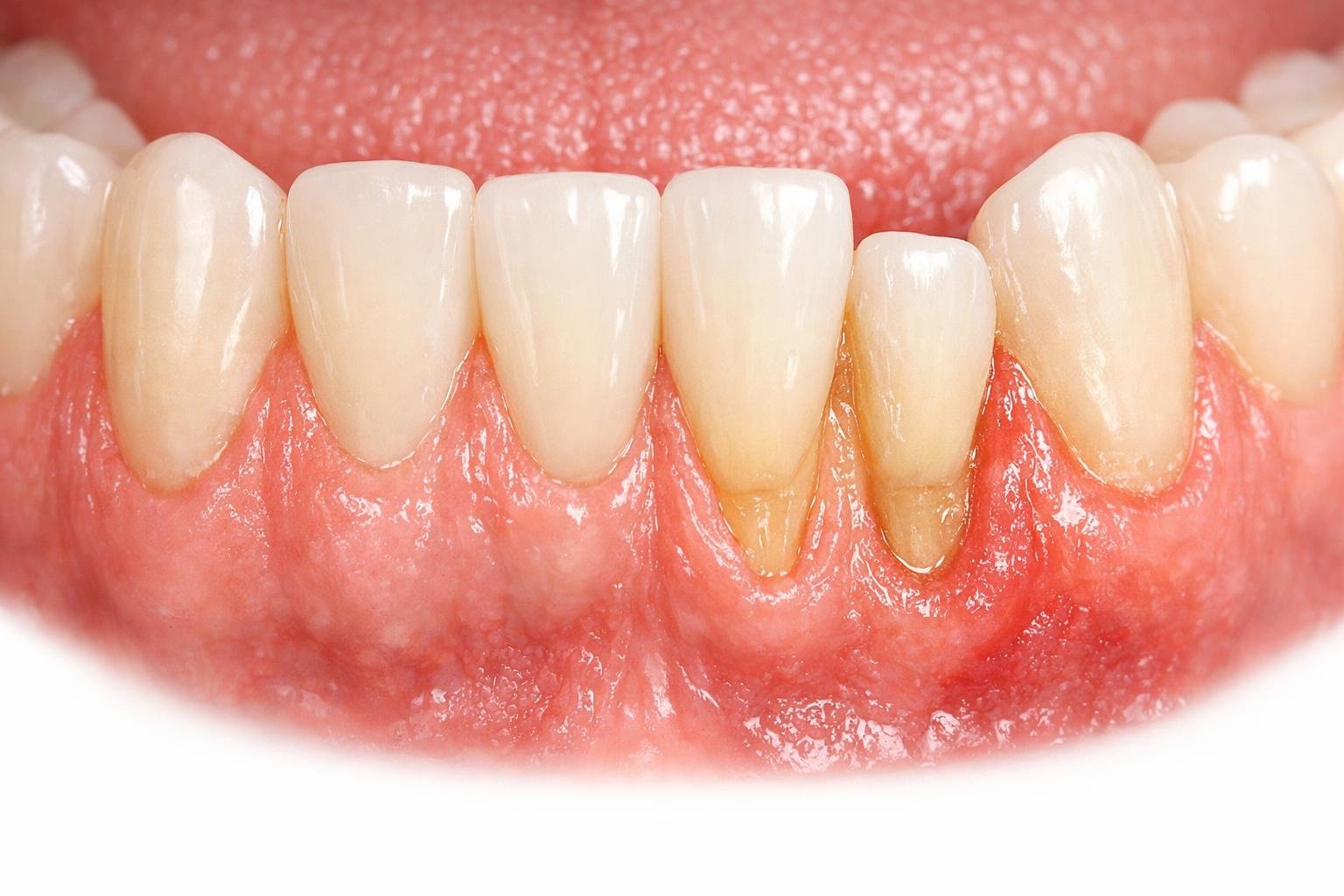
Gum recession happens when gum tissue pulls away from the teeth. This exposes parts of the tooth that should remain covered.
This condition can lead to tooth sensitivity and exposed roots. It may also cause other dental problems if untreated.
Definition of Receding Gums
Receding gums, also called gingival recession, occur when the gum tissue that surrounds the teeth wears away or pulls back. This process moves the gum line lower on the tooth.
More of the tooth becomes visible, and the tooth root may become exposed. The exposed root lacks the protective enamel that covers the crown of the tooth.
This makes the tooth more vulnerable to damage and decay. Gum recession can affect one tooth or several teeth at the same time.
The condition usually develops gradually. People often do not notice it until it becomes more advanced.
Recognizing Signs and Symptoms
The most common sign of gum recession is teeth that appear longer than normal. This happens because more of the tooth surface becomes visible as the gums pull back.
You might also notice a notch or gap at the gum line where the tissue has receded.
Common symptoms include:
-
Sensitive teeth, especially to hot, cold, or sweet foods
-
Exposed roots that appear yellow or darker than the tooth crown
-
Bleeding gums during brushing or flossing
-
Swollen gums that feel tender to touch
-
Loose teeth in advanced cases
-
Pain or discomfort along the gum line
Tooth sensitivity happens because the exposed roots contain tiny tubes that lead to the tooth’s nerve. When these roots lose their protective covering, you may feel discomfort from temperature changes and certain foods.
Comparison of Healthy and Receding Gums
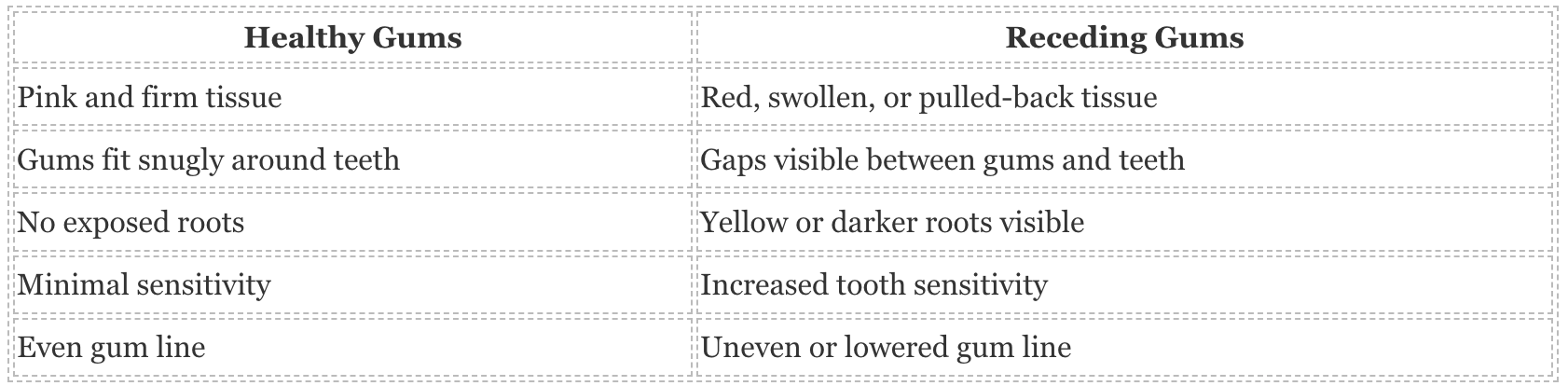
Healthy gum tissue sits close to the teeth and forms a tight seal. The gums should be pink and firm, not red or puffy.
In a healthy mouth, you see consistent gum coverage with no exposed tooth roots. When gum recession occurs, the tissue shrinks away from the teeth.
The gum line becomes uneven, and you can see more tooth surface than before. The tissue may look inflamed or feel tender, and the exposed areas can cause discomfort.
Primary Causes of Receding Gums
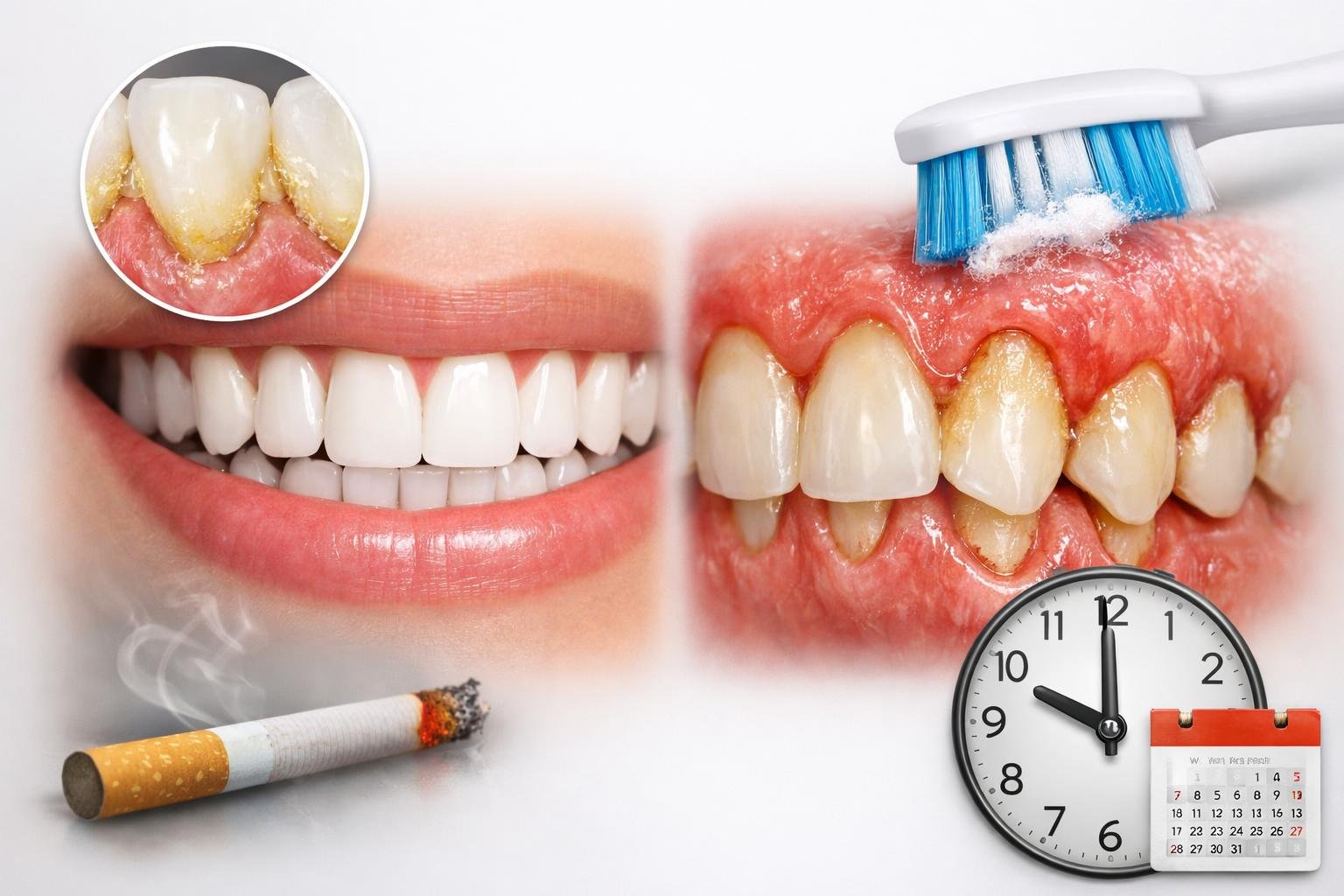
Receding gums develop when the tissue surrounding teeth pulls back or wears away. This exposes more of the tooth or its root.
The main causes include bacterial infections from gum disease, improper brushing techniques, and genetic factors.
Gum Disease and Periodontal Disease
Gum disease causes most cases of receding gums. It starts with gingivitis, which happens when plaque builds up along the gum line and causes inflammation.
If you do not remove plaque through proper oral hygiene, it hardens into tartar. A regular toothbrush cannot remove tartar once it forms.
A dental professional must clean your teeth to remove tartar. If gingivitis is not treated, it can progress to periodontitis.
This more serious form of periodontal disease attacks the tissues and bone that hold your teeth in place. The infection causes your gums to pull away from your teeth, creating pockets that collect more bacteria.
Key factors in gum disease:
-
Poor oral hygiene habits
-
Infrequent flossing
-
Skipping professional dental cleanings
-
Plaque and tartar buildup
Aggressive Oral Care Habits
Brushing too hard can damage your gum tissue over time. Many people think brushing harder cleans better, but it actually wears away the delicate gum tissue.
Using a hard-bristled toothbrush makes this problem worse. The stiff bristles can scrape and irritate your gums with each brush stroke.
You should use a soft-bristled toothbrush and gentle circular motions. Improper flossing technique can also harm your gums.
Snapping the floss against your gums or using a sawing motion creates small cuts and tears. When you floss, slide the floss gently between each tooth.
Genetic and Anatomical Factors
Some people are more prone to gum recession because of genetics. You might inherit thin or weak gum tissue that recedes more easily, even with good care.
Crooked or misaligned teeth create areas where plaque builds up easily. These hard-to-reach spots make cleaning difficult.
A misaligned bite can put uneven pressure on certain teeth and their surrounding gums. This leads to recession in those areas.
The position of your teeth in the jawbone also matters. When teeth sit in positions that put stress on the gum tissue, recession becomes more likely.
Contributing and Lifestyle Risk Factors
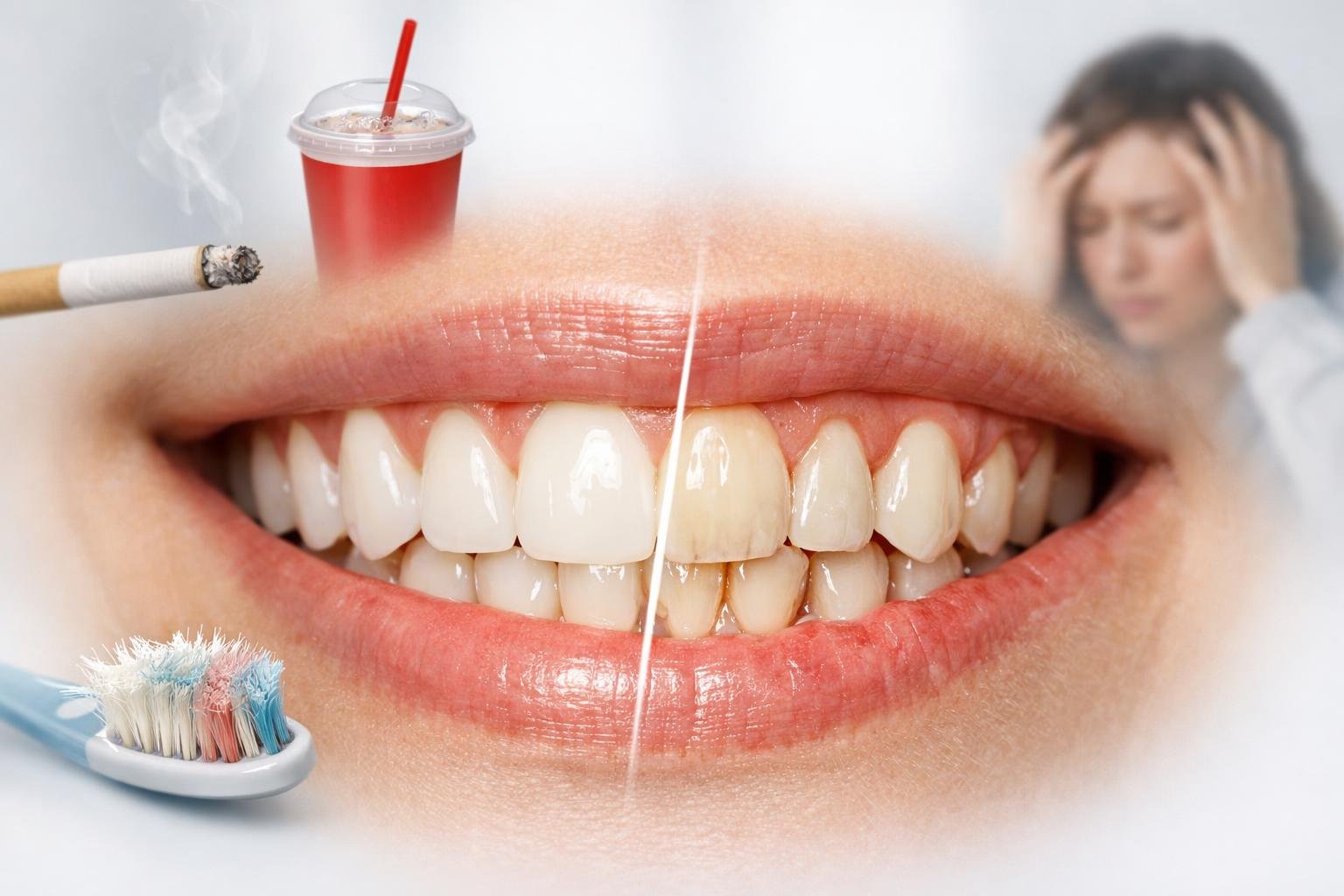
Certain daily habits and health conditions can damage gum tissue or make gums more vulnerable to recession. Factors like grinding teeth, using tobacco, and hormonal shifts all affect gum health.
Teeth Grinding and Bruxism
Grinding or clenching your teeth puts too much force on the gum tissue and bone. This condition, called bruxism, often happens during sleep without you knowing.
Constant pressure from grinding wears down tooth enamel and pushes teeth in unnatural ways. This force causes gums to pull away from teeth over time.
Many people who grind their teeth wake up with jaw pain or headaches. You might also notice flattened or chipped teeth.
A night guard from your dentist can protect teeth and reduce pressure on gums. These custom devices cushion your teeth and prevent damage that leads to gum recession.
Stress management and avoiding caffeine before bed can also help reduce grinding.
Tobacco Use and Oral Piercings
Tobacco use harms your gums. Smoking and chewing tobacco reduce blood flow to gum tissue, making it harder for gums to heal and fight infection.
Tobacco users are more likely to develop gum disease than non-users. The chemicals in tobacco weaken your immune system and damage the attachment between gums and teeth.
When you quit smoking, your gums can start to recover. The benefits begin within weeks.
Oral piercings in the tongue or lip constantly rub against gum tissue. This friction wears away gums, especially on the inside of the front teeth.
Metal jewelry also harbors bacteria that can infect gums.
Hormonal Changes and Medical Conditions
Hormonal changes make gum tissue more sensitive and prone to inflammation. During pregnancy, increased progesterone levels cause gums to react more strongly to bacteria and plaque.
Menopause brings hormonal shifts that can dry out oral tissues and reduce bone density. These changes make gums more vulnerable to recession and infection.
Diabetes affects your body’s ability to fight infections, including gum disease. High blood sugar levels damage blood vessels that supply nutrients to gums and bone.
People with uncontrolled diabetes face a higher risk of severe gum problems.
Certain medications like blood pressure drugs, antihistamines, and antidepressants can reduce saliva production. Without enough saliva to wash away bacteria, your gums become more susceptible to disease.
Poor nutrition, especially lack of vitamin C, weakens gum tissue and slows healing.
Complications and Progression of Gum Recession
When gum recession advances, it creates gum pockets where bacteria accumulate. This causes damage to the bone supporting your teeth.
The exposed roots become sensitive and vulnerable to decay. This affects your daily comfort and oral function.
Formation of Gum Pockets and Bone Loss
As your gums recede, they pull away from the tooth surface and create spaces called gum pockets. These pockets trap food particles and bacteria that your toothbrush cannot reach.
Bacteria in these pockets lead to gum inflammation and infection. Over time, this infection spreads below the gum line and attacks the bone that holds your teeth in place.
The bone gradually breaks down and loses its ability to support your teeth. Dentists measure gum pockets during exams.
Healthy gums have pocket depths of 1 to 3 millimeters. Pockets deeper than 4 millimeters indicate periodontal disease and active bone loss.
Without treatment, the bone continues to deteriorate. This process often happens slowly, so you might not notice it until significant damage occurs.
Tooth Sensitivity and Exposed Roots
Exposed roots can cause sharp pain when you eat or drink hot, cold, sweet, or acidic foods. The root surface lacks the protective enamel covering that shields the crown of your tooth.
The exposed root contains tiny tubules that connect directly to the nerve inside your tooth. When these tubules encounter temperature changes or certain foods, they transmit pain signals.
You may also feel discomfort during brushing or flossing. The sensitive areas can make you avoid proper cleaning, which makes gum inflammation and bleeding worse.
Exposed roots are also more prone to cavities since the root material is softer than enamel.
Dentists can treat sensitivity with special desensitizing treatments or fluoride applications. In severe cases, you might need a connective tissue graft to cover the exposed roots.
Tooth Loss and Functional Problems
Advanced gum recession leads to loose teeth as the supporting bone and tissue deteriorate. You might notice your teeth shifting position or moving when you press on them.
Loose teeth make chewing difficult and painful. You may struggle to eat certain foods or need to change your diet to softer options.
Eventually, teeth can become so loose that they fall out or require extraction. Tooth loss affects your ability to chew food properly and can impact your speech.
Missing teeth also cause the remaining teeth to shift, creating bite problems and more stress on other teeth.
Frequently Asked Questions
Receding gums develop from multiple causes including poor oral hygiene, aggressive brushing, and genetic factors. Treatment options range from improved dental care habits to surgical procedures, depending on severity.
What factors contribute to the onset of receding gums?
Poor brushing habits are a top cause of receding gums. When you brush too hard or use a toothbrush with stiff bristles, you damage the gum tissue over time.
Gum disease starts with plaque buildup that hardens into tartar. This bacterial infection attacks the gums and causes them to pull away from the teeth.
Genetics play a significant role in gum recession. Some people inherit thinner gum tissue that recedes more easily, regardless of their oral care routine.
Smoking and tobacco use weaken gum tissue and reduce blood flow. These habits make it harder for gums to heal and stay healthy.
How can receding gums be effectively treated?
Start with a deep cleaning procedure called scaling and root planing. This process removes plaque and tartar from below the gum line and smooths the tooth roots.
A surgeon can perform gum graft surgery by taking tissue from the roof of your mouth or by using donor tissue. The surgeon attaches this tissue to areas where gums have receded.
The pinhole surgical technique provides a less invasive option. A dentist creates small holes in the gum tissue and uses special tools to loosen and move it over the exposed roots.
Are there ways to reverse receding gums without clinical intervention?
Mild gum recession sometimes improves with better oral hygiene habits. Brush gently with a soft-bristled toothbrush and floss daily.
An antimicrobial mouthwash helps reduce bacteria that cause gum inflammation. This can prevent further gum recession but cannot restore lost gum tissue.
Some people use oil pulling with coconut oil to reduce harmful bacteria in the mouth. However, scientists have not found proof that it can reverse gum recession.
Why are receding gums prevalent among young adults?
Many young adults brush their teeth too aggressively, believing that harder brushing cleans better. This action damages delicate gum tissue and causes it to recede.
Skipping regular dental checkups lets plaque and tartar build up. Without professional cleaning, gum disease can develop and progress quickly.
Oral piercings in the lips or tongue can rub against the gums. This constant friction wears away gum tissue where jewelry touches the mouth.
Misaligned teeth or a bad bite can create uneven pressure on certain teeth. This abnormal force pushes gums back from the teeth over time.
What are the progressive stages of gum recession?
Stage one involves minor gum recession where small areas of the tooth root become visible. Most people do not notice symptoms at this early stage.
Stage two shows more noticeable recession with increased tooth sensitivity. Gaps can form between teeth at the gum line.
Stage three brings significant gum loss that exposes large portions of tooth roots. Teeth may look longer and feel loose in their sockets.
Stage four is severe recession with bone loss around the teeth. At this stage, teeth may become so loose that they fall out or need to be removed.
Can lifestyle changes impact the progression of receding gums?
Quitting smoking improves gum health dramatically within weeks. Increased blood flow helps gum tissue heal and resist further damage.
Eating foods rich in vitamin C and calcium supports gum tissue strength. A balanced diet provides the nutrients needed to maintain healthy gums.
Exercise or relaxation techniques help manage stress. These methods reduce teeth grinding, which puts pressure on teeth and gums.
Drinking plenty of water throughout the day washes away food particles and bacteria. Staying hydrated helps the mouth produce enough saliva to protect gums naturally.
📞 Contact Kaufman Dentistry Today
Give us a call at (310) 838-7780 to schedule your appointment and take the first step towards a stunning smile.
You can find us at 10760 Washington Blvd., Culver City, CA 90232. We look forward to welcoming you to our practice and helping you achieve the smile of your dreams!