
Bonding vs. Veneers: Which Is Right for You?
Your smile matters. If you’re unhappy with chipped, stained, or misshapen teeth, cosmetic dentistry offers two popular solutions: dental bonding and veneers.
Both treatments can transform your smile, but they work differently and suit different needs and budgets.
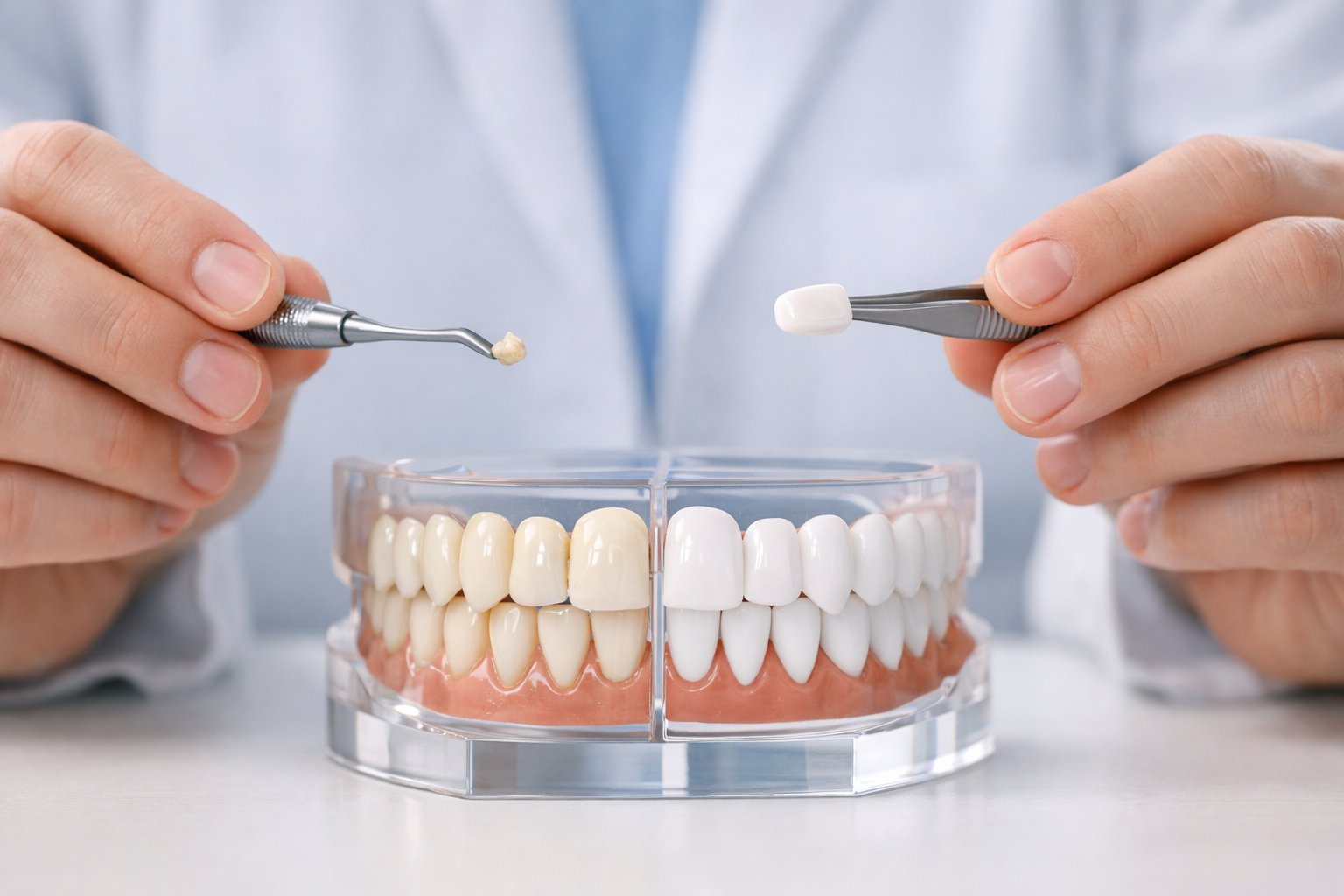
The main difference is that bonding uses tooth-colored resin applied directly to your teeth in a single visit. Veneers are thin shells custom-made in a lab and bonded to the front of your teeth over multiple appointments.
Choosing the right option depends on the extent of damage, your budget, and how long you want results to last.
We’ll explain how each procedure works, what makes them different, and which one might be the best choice for your dental concerns.
Key Takeaways
- Bonding is a quick, affordable fix for minor cosmetic issues, while veneers offer longer-lasting results for more extensive improvements.
- Your ideal treatment depends on your budget, the condition of your teeth, and how long you want your results to last.
- Both options require proper care and maintenance to keep your smile looking its best.
Bonding vs. Veneers: Understanding Each Option
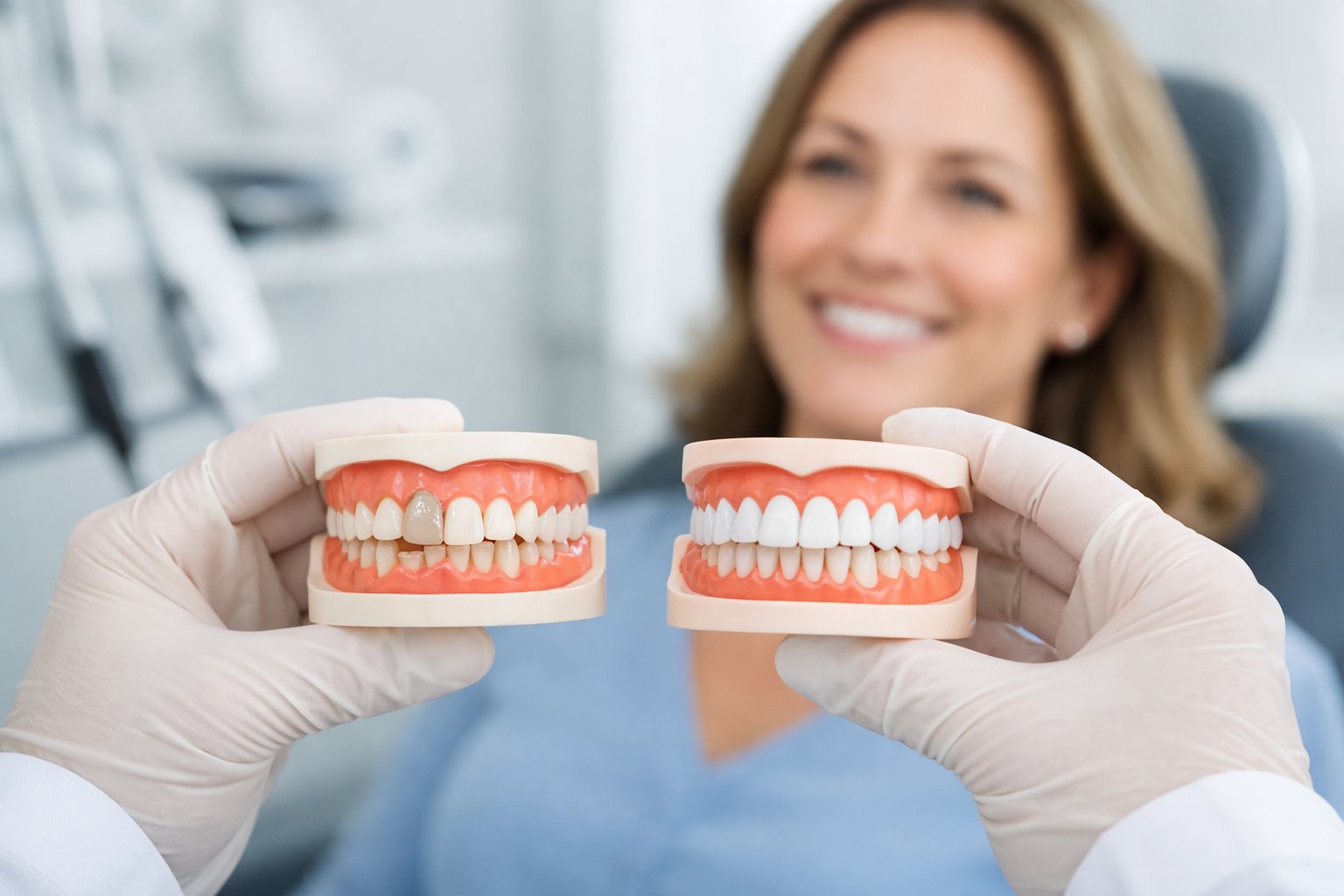
Dental bonding uses tooth-colored composite resin applied directly to teeth. Veneers are thin shells that cover the front surface of teeth.
These treatments improve your smile but differ in materials, application methods, and durability.
What Is Dental Bonding?
Dental bonding involves applying a tooth-colored composite resin directly to the surface of your teeth. We shape and mold this material to fix chips, cracks, gaps, or discoloration.
After we apply a special adhesive, the composite resin bonds to your natural tooth structure. We use a UV light to harden the material in place.
The entire teeth bonding process usually takes 30 to 60 minutes per tooth.
This procedure requires minimal tooth preparation. We rarely need to remove much of your natural tooth enamel.
We can match the tooth-colored resin to your existing tooth shade for a natural appearance.
Bonding lasts 3 to 10 years with proper care. The composite material can stain over time from coffee, tea, or tobacco.
It’s more prone to chipping than other options, but we can repair it easily and affordably.
What Are Veneers?
Veneers are thin porcelain shells or composite resin coverings that we permanently attach to the front of your teeth. Porcelain veneers are the most common type used in smile makeovers.
We remove a small amount of tooth enamel (usually 0.5mm) to make room for the veneer. This step prevents your teeth from looking bulky.
We take impressions and send them to a lab to create your custom veneers.
Porcelain veneers are stronger and more stain-resistant than composite veneers. They typically last 10 to 15 years or longer.
Composite veneers use the same tooth-colored composite resin as bonding but cover more of the tooth surface. We can often apply these in one visit, and they cost less than porcelain.
Both types of veneers can address several cosmetic issues at once, including severe discoloration, misshapen teeth, or noticeable gaps.
Key Differences Between Bonding and Veneers
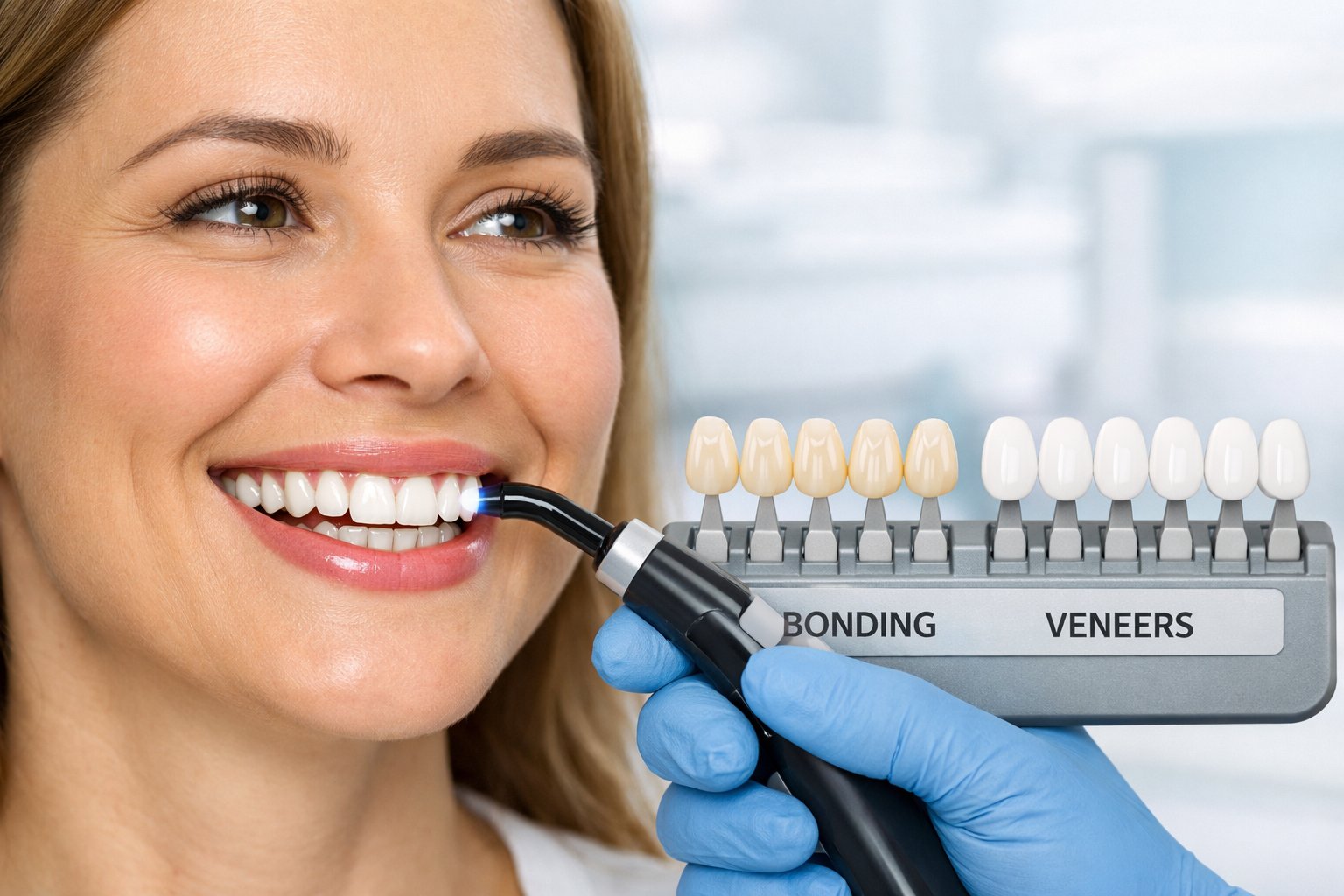
Bonding and veneers differ in materials, application, cost, and lifespan. These factors affect which option works best for your dental needs and budget.
Materials Used: Composite Resin vs. Porcelain
Dental bonding uses composite resin, a tooth-colored plastic material. We apply this resin directly to your tooth and shape it to fix chips, gaps, or discoloration.
The resin is softer than natural tooth enamel but strong enough for most cosmetic fixes.
Veneers are thin shells made from porcelain in most cases. Porcelain mimics the light-reflecting properties of natural teeth better than composite resin.
The material is harder and more durable than the resin used in bonding.
Some veneers use composite resin instead of porcelain, but porcelain is the standard for custom veneers. Porcelain resists staining from coffee, tea, and wine.
Composite resin can pick up stains from these drinks and foods over time.
Procedure and Enamel Preparation
Bonding needs minimal enamel preparation. We roughen the tooth surface slightly and apply a conditioning liquid.
Then we add the composite resin, shape it, and harden it with a special light. The entire process takes 30 to 60 minutes per tooth in one visit.
Veneers require more enamel removal to make room for the porcelain shell. We remove about 0.5 millimeters of enamel from the front of your tooth.
After enamel removal, we take impressions of your teeth for custom veneers. You get temporary veneers to protect your teeth while the lab makes your permanent ones.
This usually takes about two weeks. At your second visit, we remove the temporary veneer and bond the permanent veneers to your teeth.
Cost Comparison
Bonding costs between $300 and $600 per tooth. The lower price makes it an affordable option for fixing small cosmetic issues.
Insurance may cover some of the cost if bonding repairs damage from an injury.
Veneers cost between $925 and $2,500 per tooth. Porcelain veneers are at the higher end of this range.
The veneers cost includes lab fees for your custom shells and multiple dental visits. Insurance rarely covers veneers since they’re considered cosmetic.
Durability and Longevity
Bonding lasts 3 to 10 years with proper care. The composite resin can chip or break more easily than porcelain.
We recommend avoiding hard foods and objects to protect the bonding.
Veneers last 10 to 15 years or longer. Porcelain resists chips and stains better than composite resin.
The stronger material helps veneers handle daily wear. If a veneer breaks, we must replace the entire shell.
Who Is the Best Candidate?
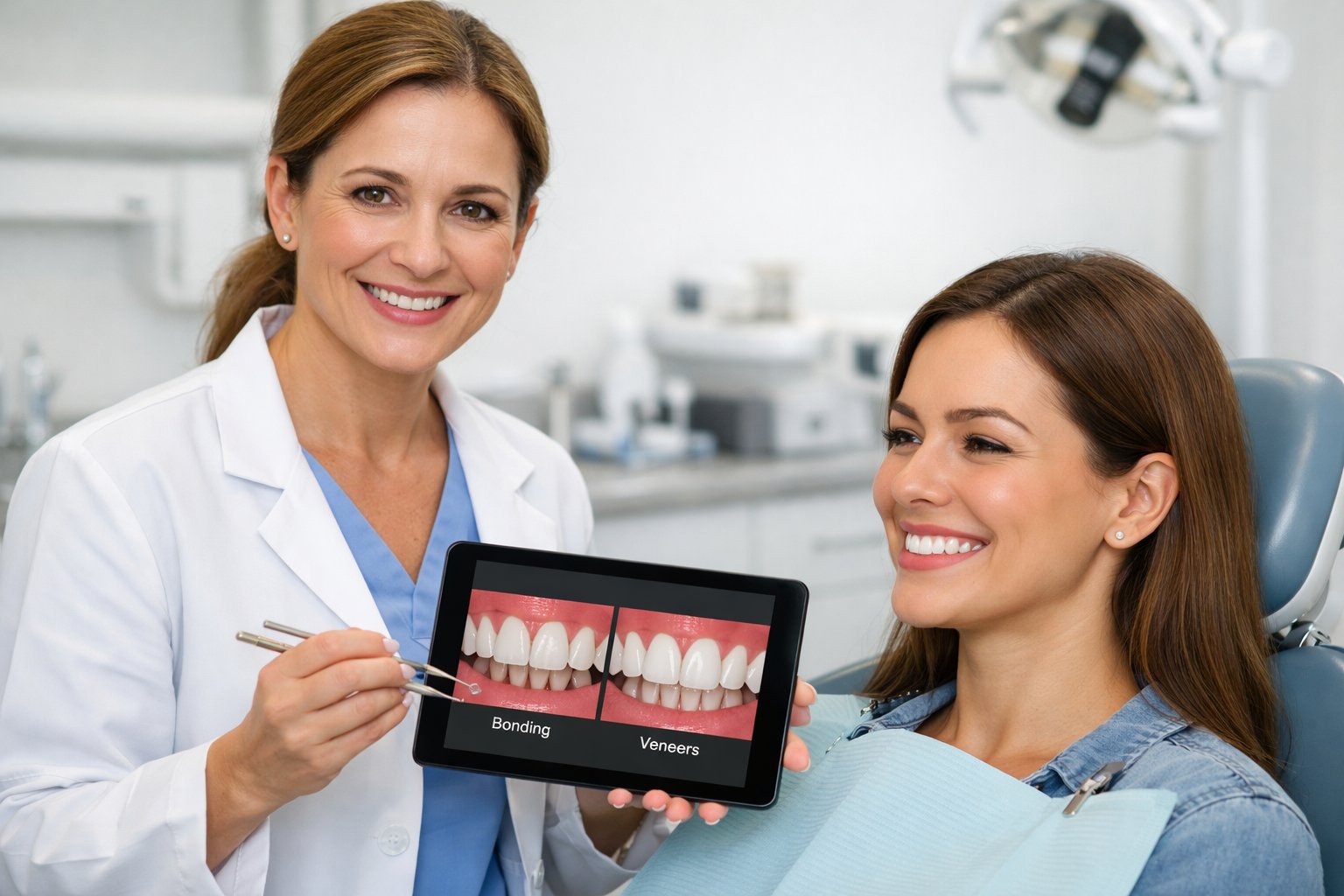
Dental bonding works best for minor cosmetic issues and budget-conscious patients. Veneers are ideal for those seeking dramatic smile transformations with longer-lasting results.
Ideal Situations for Dental Bonding
We recommend dental bonding for patients with minor cosmetic concerns. This treatment works well for small chips, cracks, or gaps between teeth.
It’s also effective for covering slight discoloration that doesn’t respond to whitening treatments.
Bonding is a good choice if you need to reshape teeth that are slightly too short or uneven. A cosmetic dentist can apply the resin material in a single visit, which saves time.
Best candidates for bonding include:
- Patients on a limited budget
- People who need quick results
- Those with minimal cosmetic issues
- Patients comfortable with touch-ups every 3-7 years
Young adults often choose bonding because it does not require removal of natural tooth structure. We can reverse this cosmetic dental treatment if needed later.
Ideal Situations for Veneers
Veneers are right for patients who want a complete cosmetic transformation. We use them to fix multiple issues at once, such as severely stained teeth, misaligned teeth, worn enamel, and significant gaps.
This treatment creates dramatic smile changes that last 10-15 years or longer. Veneers resist staining better than natural teeth, so your smile stays bright with normal care.
Ideal veneer candidates are:
- Patients seeking major cosmetic changes
- Those willing to invest more money upfront
- People who maintain good oral hygiene
- Patients with healthy teeth and gums
We place veneers on people who grind their teeth, but they need to wear a night guard for protection. The treatment permanently alters your natural teeth, so we only recommend it for patients committed to long-term cosmetic improvement.
Cosmetic Dentist Consultation
During your consultation, we evaluate several factors to determine which cosmetic dental treatment fits your needs. Your cosmetic dentist examines your teeth, discusses your goals, and reviews your budget.
The dentist checks for oral health issues that need treatment first. Cavities, gum disease, or severe misalignment might require attention before any cosmetic work.
We take photos and sometimes digital scans to show you potential results. This helps you see what bonding or veneers could achieve for your smile.
Most consultations include cost estimates for both options to help you make an informed choice.
Your lifestyle matters too. We ask about habits like teeth grinding, nail biting, or chewing hard foods that might affect treatment durability.
Caring for Your New Smile
Both bonding and veneers need proper care to maintain their appearance and function. We recommend specific daily habits, stain prevention strategies, and regular professional cleanings to protect your investment.
Daily Maintenance Tips
We brush our restored teeth twice daily with a soft-bristled toothbrush and non-abrasive toothpaste. Composite resin and porcelain can scratch, so we avoid whitening toothpastes with rough particles.
Flossing remains essential around bonded teeth and veneers. We slide the floss gently between teeth to avoid damaging the restoration edges.
We should avoid biting hard objects like ice, pens, or fingernails. Both composite resin and porcelain can chip under excessive force.
Opening packages with our teeth or using them as tools puts unnecessary stress on our smile.
Managing Staining and Sensitivity
Composite resin bonding stains more easily than porcelain veneers. We limit foods like coffee, red wine, berries, and dark sauces.
When we consume these items, rinsing with water afterward helps minimize discoloration.
Some sensitivity to hot or cold temperatures is normal for a few days after treatment. This usually fades within two weeks.
If sensitivity lasts longer than a month, we contact our dentist to check the restoration fit.
Smoking and tobacco products yellow both composite resin and natural teeth rapidly. We avoid these products to maintain our results.
Longevity Through Dental Cleanings
Professional dental cleanings every six months prevent buildup around restoration edges.
Our hygienist uses specialized tools that won’t damage composite resin or porcelain surfaces.
During these visits, we check for signs of wear, chips, or gaps between the restoration and tooth. Early detection allows for simple repairs before major problems develop.
Bonding typically lasts 3-7 years with proper care, while veneers can last 10-15 years or more.
Frequently Asked Questions
Dental bonding usually costs less and takes one visit. Veneers offer better durability and stain resistance but require multiple appointments and cost more.
Both options can improve your smile. The right choice depends on your needs, budget, and how long you want the results to last.
What are the advantages and disadvantages of dental bonding compared to veneers?
Dental bonding offers several benefits. We can complete the procedure in a single visit, and it requires minimal removal of tooth enamel.
The cost is much lower than veneers, making it accessible for people on tighter budgets.
However, bonding has some drawbacks. The composite resin material stains more easily than porcelain and typically lasts only 3 to 10 years.
Bonding is also less durable and can chip or break more easily than veneers.
Veneers provide better aesthetics and durability. They resist stains and can last 10 to 20 years with proper care.
The porcelain material looks more natural and reflects light like real teeth.
Veneers have higher costs and require a longer process. We must remove more tooth enamel, which is permanent.
You’ll need at least two appointments to complete the process.
How do the costs of bonding and veneers compare for cosmetic dental procedures?
Dental bonding usually costs between $300 and $600 per tooth. This option is among the most affordable for cosmetic dental work.
Veneers cost more, ranging from $925 to $2,500 per tooth. Porcelain veneers are at the higher end, while composite veneers cost less but are still pricier than bonding.
Most dental insurance plans do not cover cosmetic procedures. You will likely need to pay for these treatments yourself.
Some dental offices offer payment plans to help manage the costs.
Can you provide before and after pictures of teeth that have undergone bonding and veneers?
We do not have specific before and after photos in this article. Your dentist can show you a portfolio of their previous work during your consultation.
You can also find examples on dental practice websites and professional dental association sites. These images display real results from actual patients.
Look at several examples to understand what results are realistic. Focus on cases similar to your own for the most relevant comparisons.
Which procedure is more suitable for front teeth aesthetics: bonding or veneers?
Both bonding and veneers improve the look of front teeth. Veneers usually create better aesthetic results because the porcelain material closely matches natural tooth enamel.
Veneers also keep their appearance longer and resist staining. Bonding works well for smaller cosmetic issues like minor chips, slight gaps, or discoloration.
The procedure for bonding is quick and provides immediate results. Veneers are better for significant changes in tooth shape, size, or color.
If you want to address multiple teeth at once, veneers are often the better choice. Your budget, the amount of correction needed, and your long-term goals will help determine the best procedure.
How long can I expect dental bonding and veneers to last?
Dental bonding lasts about 3 to 10 years. The location of the bonding and your oral habits affect its lifespan.
Bonding on front teeth often lasts longer than bonding on chewing teeth. Veneers last longer, usually between 10 and 20 years.
Porcelain veneers often reach the higher end of that range. With excellent care, some people keep their veneers even longer.
Your daily habits play a big role in how long these options last. Avoid hard foods, do not use your teeth as tools, and wear a nightguard if you grind your teeth.
Regular dental checkups and good oral hygiene are important. Professional cleanings every six months help maintain both bonding and veneers.
In terms of natural appearance, how do bonding and veneers differ?
Veneers usually look more natural than bonding. Porcelain has translucent qualities similar to natural tooth enamel.
It reflects light like real teeth, which creates a more authentic look. Bonding uses composite resin, which is more opaque.
We can match the color of bonding to your teeth, but it lacks the depth and translucency of porcelain. Over time, bonding can stain or discolor and may become more noticeable.
A skilled cosmetic dentist can achieve great results with both bonding and veneers. For a single tooth, bonding can blend in well with your other teeth.
When you need to treat several teeth, veneers often give a more consistent and natural appearance.
📞 Contact Kaufman Dentistry Today
Give us a call at (310) 838-7780 to schedule your appointment and take the first step towards a stunning smile.
You can find us at 10760 Washington Blvd., Culver City, CA 90232. We look forward to welcoming you to our practice and helping you achieve the smile of your dreams!