
How Plaque Turns Into Tartar
Understanding how plaque turns into tartar helps you care for your oral health. Plaque is a soft, sticky film that builds up on teeth every day.
If you do not remove plaque consistently, it hardens into tartar. Tartar is a rough, calcified deposit that brushing cannot remove.
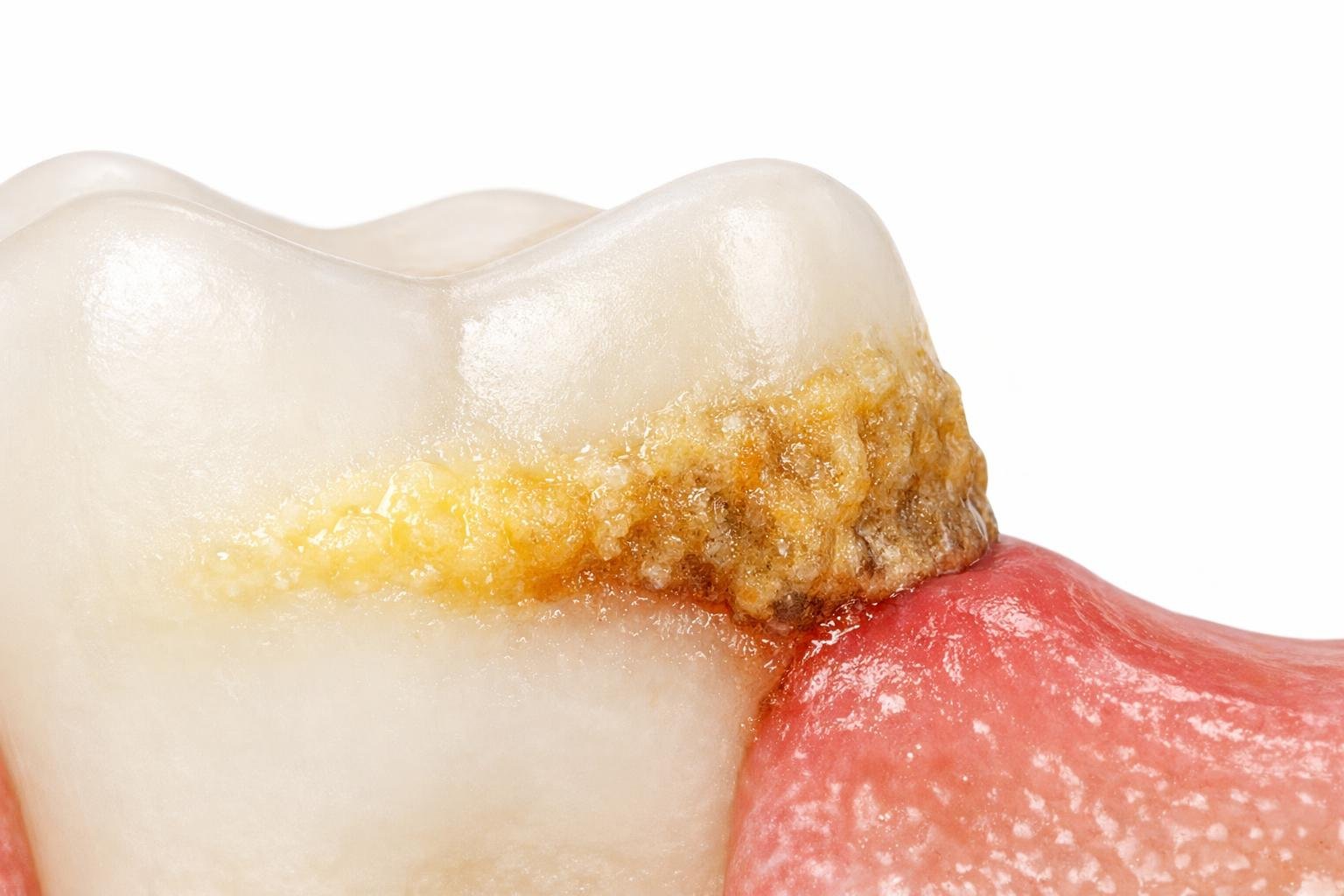
Plaque and tartar are different, but people often mix up the terms. Plaque is a biofilm made of bacteria, food particles, and saliva.
Tartar, also called dental calculus, forms when plaque mineralizes and bonds to the tooth surface. Only a dental professional can remove tartar safely.
Key Takeaways
- Plaque hardens into tartar within 24 to 72 hours if you do not remove it by brushing and flossing.
- Tartar buildup along the gumline increases the risk of gum disease, cavities, and tooth loss.
- Only professional dental cleanings can remove tartar after it forms.
What Plaque Is And How It Forms
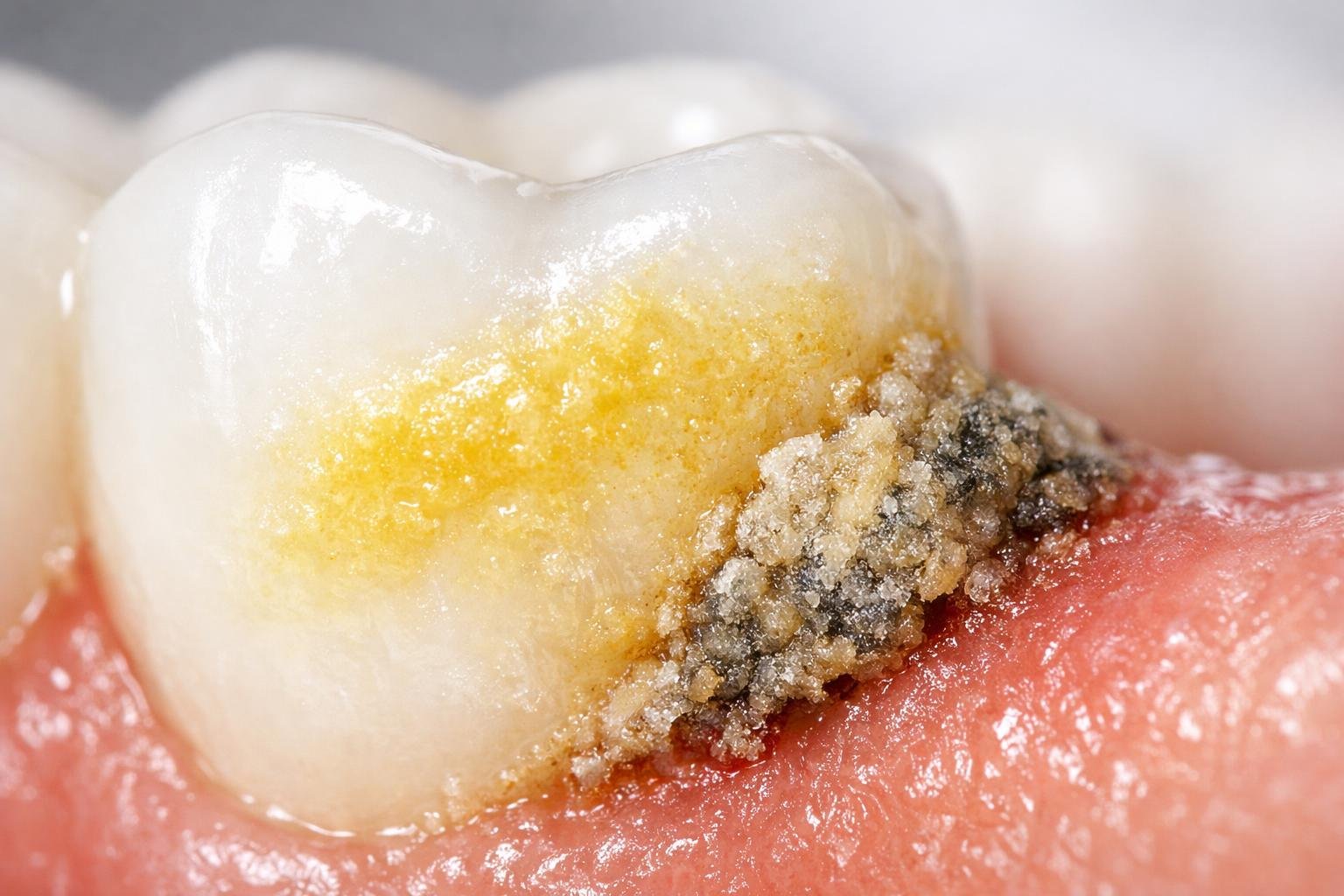
Dental plaque is a soft biofilm that forms on teeth all the time. Bacteria attach to tooth enamel and grow as food and saliva add to the layer.
Minerals like calcium and phosphate from saliva begin to interact with this film right away. This interaction starts the process of mineralization.
What Dental Plaque Is Made Of
Plaque is mostly made of bacteria, water, proteins from saliva, and food byproducts. It also contains calcium and phosphate ions from saliva.
These minerals make the plaque biofilm harden into tartar if the film stays on teeth. Bacteria in plaque produce acids when they feed on sugars, which causes tooth decay.
How Plaque Forms On Teeth
Plaque starts forming almost right after brushing. Within minutes, a thin protein layer from saliva coats the tooth surface.
Bacteria attach to this layer, multiply, and form the sticky film called plaque. Brushing and flossing every day breaks up this process.
If you skip cleaning, the biofilm thickens and begins to harden. Dry mouth speeds up this process because less saliva means less natural rinsing.
Where Plaque Buildup Starts First
Plaque builds up first in hard-to-clean spots. Common areas include:
- Along the gumline
- Between teeth
Plaque also gathers on the back surfaces of molars and around dental work or crowded teeth. These spots are often missed during daily care and are where tartar usually forms.
How Plaque Turns Into Tartar Step By Step
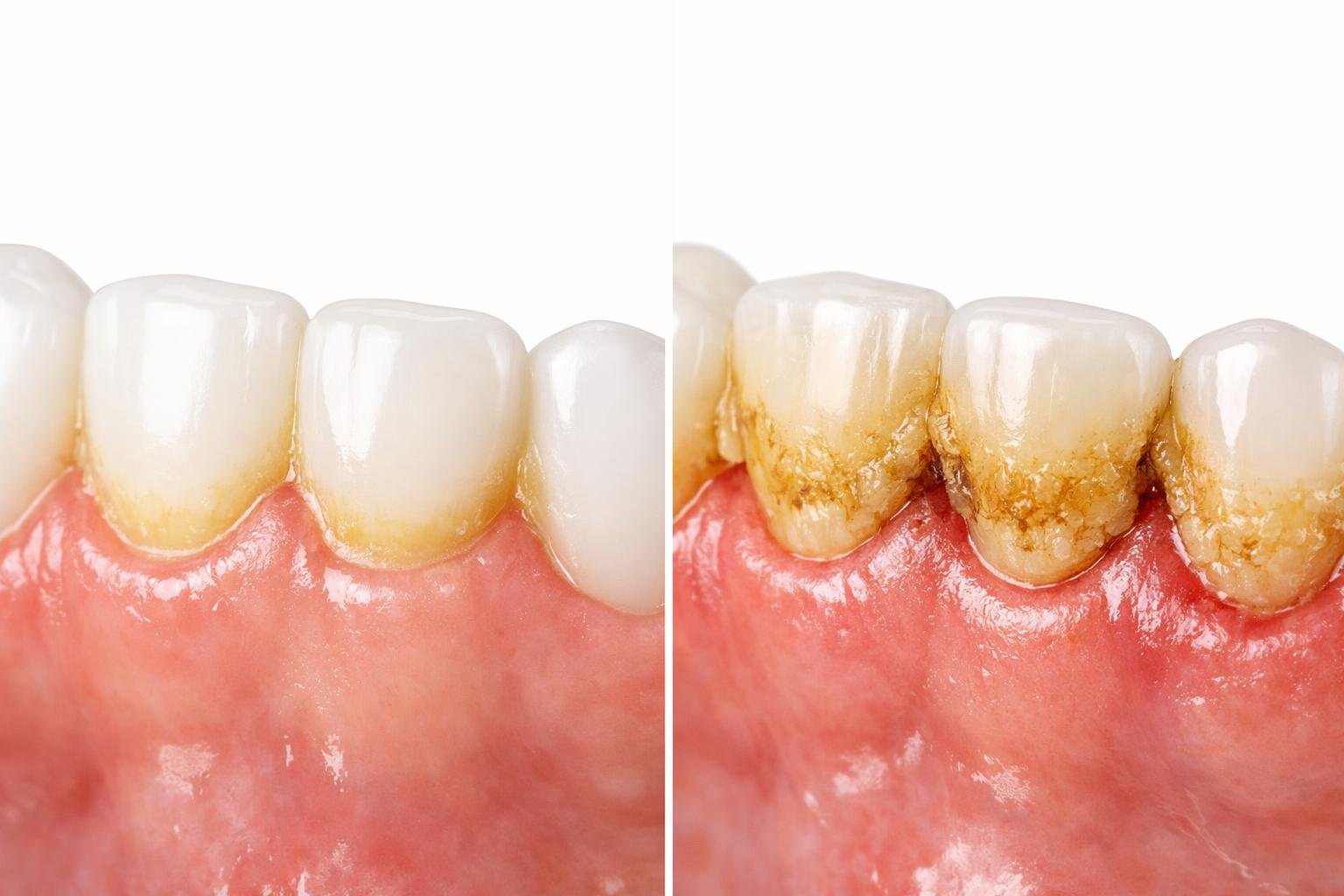
Minerals in saliva bond with plaque biofilm to form tartar. Hardened plaque, or dental calculus, sticks firmly to tooth surfaces and brushing cannot remove it.
How Hardened Plaque Develops
When plaque stays on a tooth, calcium and phosphate ions in saliva start to crystallize inside the biofilm. This process is mineralization.
Over time, the soft plaque hardens and becomes a calcified deposit. Early tartar may feel rough but soft, while fully hardened calculus is rock-like and tightly attached to enamel or root surfaces.
Why Tartar Forms Along The Gumline
Tartar builds up most often along the gumline. Saliva ducts near the lower front teeth and upper molars deliver high levels of calcium and phosphate to these areas.
This makes these spots more likely to have rapid tartar buildup. Tartar can also form below the gumline, called subgingival calculus.
This type is often darker and harder to see without a dental exam.
Why You Cannot Remove Tartar At Home
Once plaque hardens into tartar, it bonds to the tooth so strongly that brushing and flossing cannot remove it. Standard cleaning tools at home cannot break this bond.
Dental professionals use special tools like a scaler or ultrasonic scaler to remove tartar during a scale and polish appointment. Trying to scrape tartar at home can damage enamel or hurt your gums.
Why Tartar Buildup Is A Problem
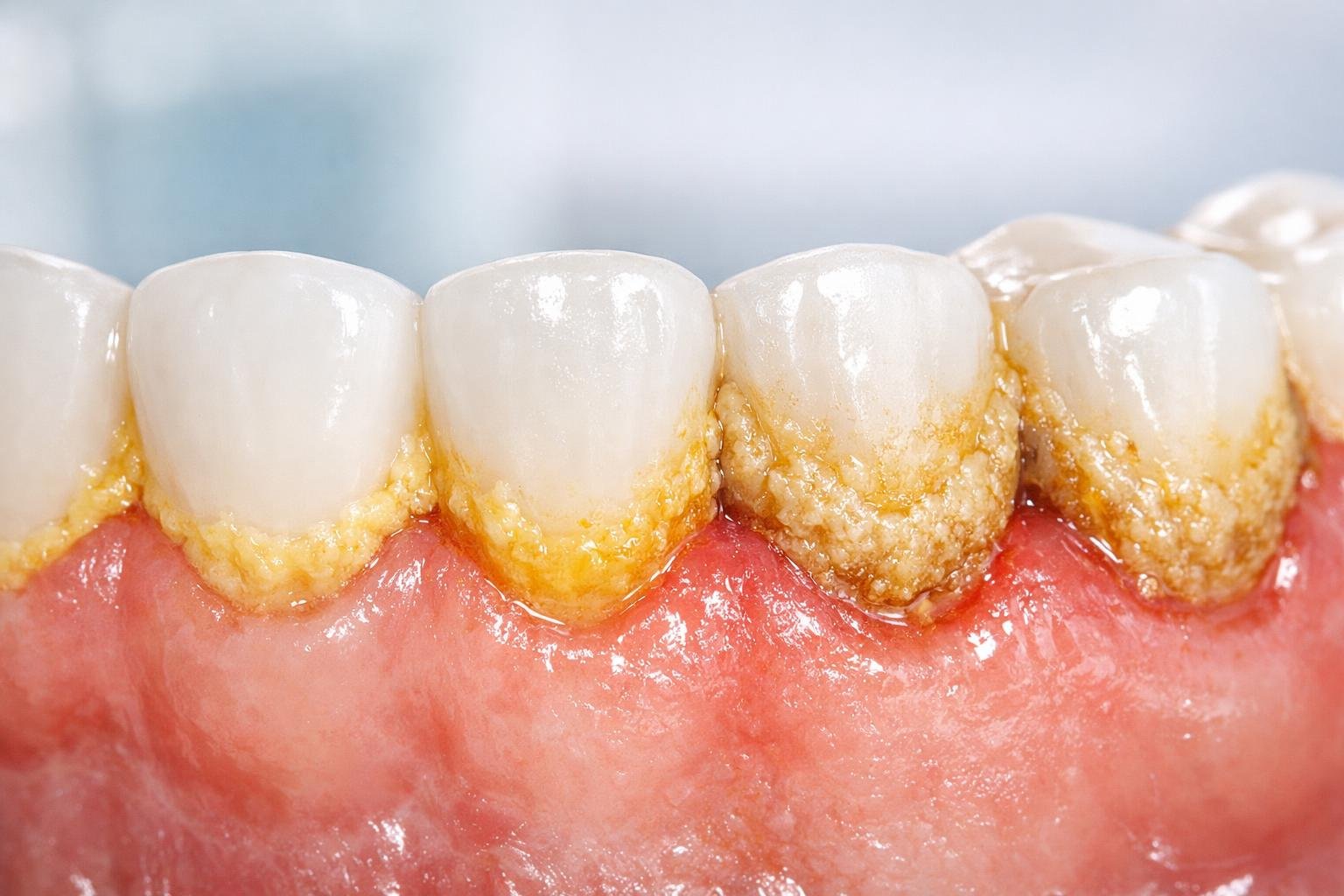
Tartar is more than a cosmetic problem. Its rough surface attracts more plaque, which speeds up gum inflammation and tooth decay.
Plaque and tartar together cause most preventable oral disease.
How Tartar Raises The Risk Of Cavities
Tartar creates a rough surface that holds plaque bacteria against the tooth. These bacteria produce acids that break down enamel and cause cavities.
Areas with tartar are harder to clean, so acid exposure lasts longer. Tooth decay often starts silently and may need major treatment before you notice it.
How Gingivitis Can Progress To Periodontitis
Tartar along the gumline causes gum inflammation, called gingivitis. Gums become irritated by bacteria in tartar deposits.
If tartar is not removed, gingivitis can turn into periodontitis. Periodontitis destroys the bone and tissue that support teeth.
In severe cases, this leads to gum recession and tooth loss.
Signs Such As Bad Breath And Bleeding Gums
Early signs of tartar buildup include:
- Bleeding gums when brushing or flossing
- Bad breath (halitosis) that does not go away with brushing
You may also see visible yellow or brown deposits near the gumline or feel gum tenderness or puffiness. These signs mean you may need a professional cleaning.
How To Prevent Tartar And When To See A Dentist
Consistent daily habits keep plaque from hardening into tartar. Brushing, cleaning between teeth, and regular dental cleanings provide full protection.
Best Daily Habits To Stop Plaque Before It Hardens
Brush twice a day with fluoride toothpaste to control tartar. Use a soft-bristled or electric toothbrush for better plaque removal.
Floss once a day to disrupt plaque between teeth. An antiseptic mouthwash with cetylpyridinium chloride can reduce bacteria in hard-to-reach areas.
Chew sugar-free gum after meals to boost saliva flow, which washes away food and neutralizes acids.
Tools That Help Clean Between Teeth
If flossing is hard, you can try these alternatives:
- Water flosser: Uses a stream of water to clean between teeth and below the gumline.
- Interdental brushes: Small brushes for cleaning between teeth and around dental work.
- Floss picks: Handy for quick cleaning on the go.
Using a mix of these tools based on your needs gives the best results.
What Happens During A Professional Cleaning
A dental hygienist removes tartar that brushing cannot reach during a routine cleaning. The hygienist uses a scaler or ultrasonic scaler to break up and remove deposits from tooth surfaces and the gumline.
If tartar is below the gumline, a deep cleaning may be needed. After cleaning, the dentist checks for new cavities, gum disease, or other issues.
Most people benefit from a professional cleaning every six months.
Frequently Asked Questions
What causes dental plaque to harden into tartar over time?
Calcium and phosphate minerals in saliva crystallize inside the plaque biofilm and harden it into tartar. This process, called mineralization, happens if plaque stays on teeth. The longer plaque remains, the harder it gets.
How long does it typically take for plaque to calcify into tartar?
Plaque can start to calcify in 24 to 72 hours. Full tartar hardening can take a few days to two weeks depending on your saliva and habits. This is why daily brushing and flossing matter.
Where on the teeth and gumline does tartar most commonly form first?
Tartar forms first along the gumline of the lower front teeth and upper back molars. These areas are close to salivary glands that supply minerals for calcification. Hard-to-reach spots between teeth are also common.
Can tartar form even if you brush and floss regularly, and why?
Yes, tartar can still form even with good habits. High mineral content in saliva, dry mouth, or missed areas during brushing can let plaque harden. Regular dental cleanings remove tartar that forms despite good care.
What are the early signs that plaque is becoming tartar?
Early tartar may look like a yellow or off-white rough deposit near the gumline. Some areas may feel gritty or rough when you run your tongue across them.
Gum tenderness or slight bleeding during brushing can also mean tartar is starting to form.
Why can’t tartar be removed with brushing alone, and what removes it safely?
Tartar forms a strong bond with the tooth surface during mineralization. This bond is too strong for a toothbrush to break.
Brushing can remove soft plaque but does not affect hardened deposits. A dental hygienist removes tartar safely by using a scaler or ultrasonic scaler during a professional cleaning.
📞 Contact Kaufman Dentistry Today
Give us a call at (310) 838-7780 to schedule your appointment and take the first step towards a stunning smile.
You can find us at 10760 Washington Blvd., Culver City, CA 90232. We look forward to welcoming you to our practice and helping you achieve the smile of your dreams!