
What Happens If You Leave a Broken Tooth Untreated
Knowing what happens if you leave a broken tooth untreated can help you avoid serious dental problems. A broken tooth is not just a cosmetic issue. It can become painful and expensive if you ignore it.
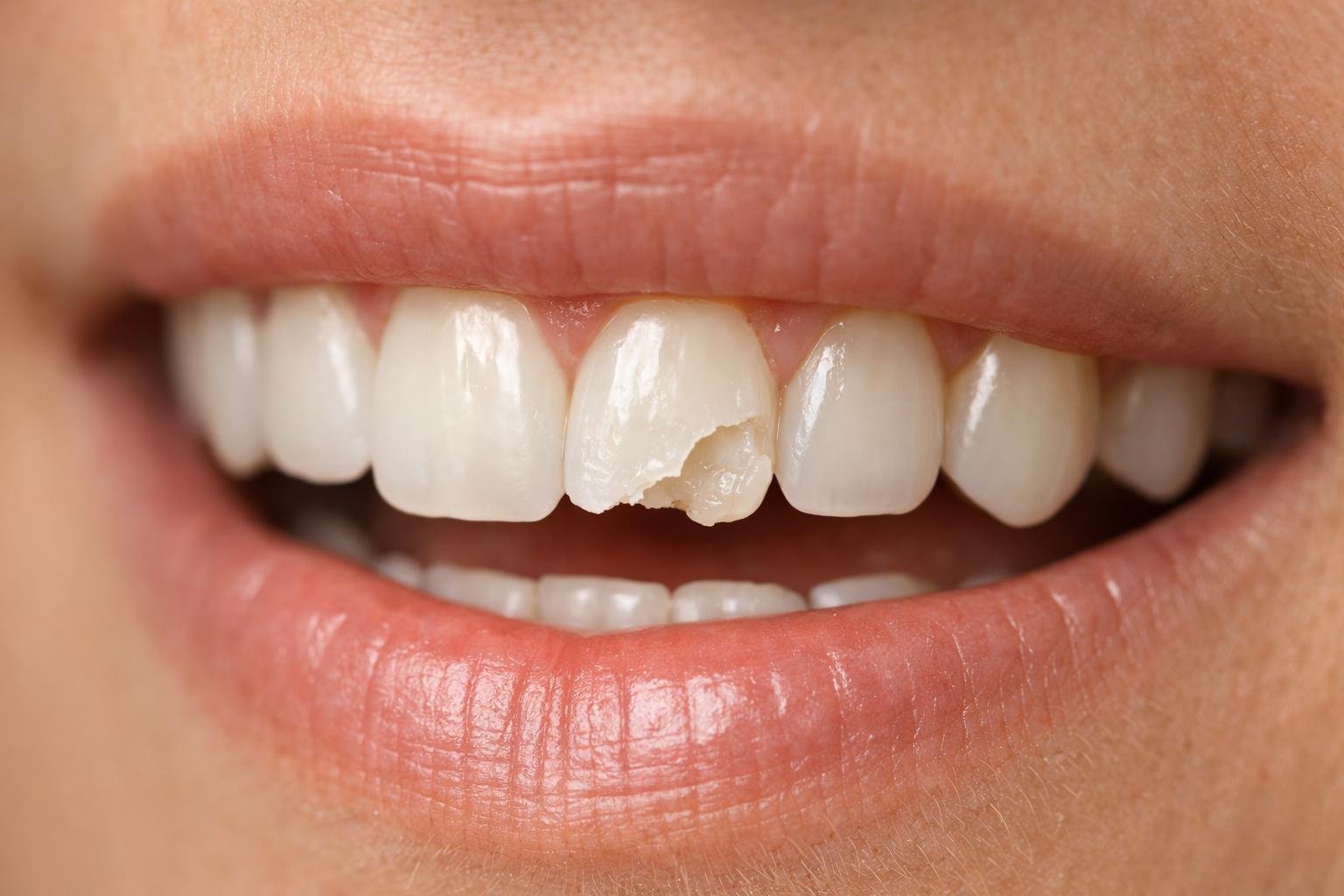
If you leave a broken tooth untreated, you risk infection, nerve damage, and even tooth loss. Most broken teeth can be treated, especially if you see a dentist early.
The longer you wait, the more complicated and costly treatment becomes.
Key Takeaways
- A broken tooth can get worse over time and lead to infection, abscess, or permanent tooth loss.
- Some broken teeth need same-day emergency care.
- Treatment options include bonding, crowns, root canals, or implants, depending on how severe the break is.
What Happens If You Leave A Broken Tooth Untreated
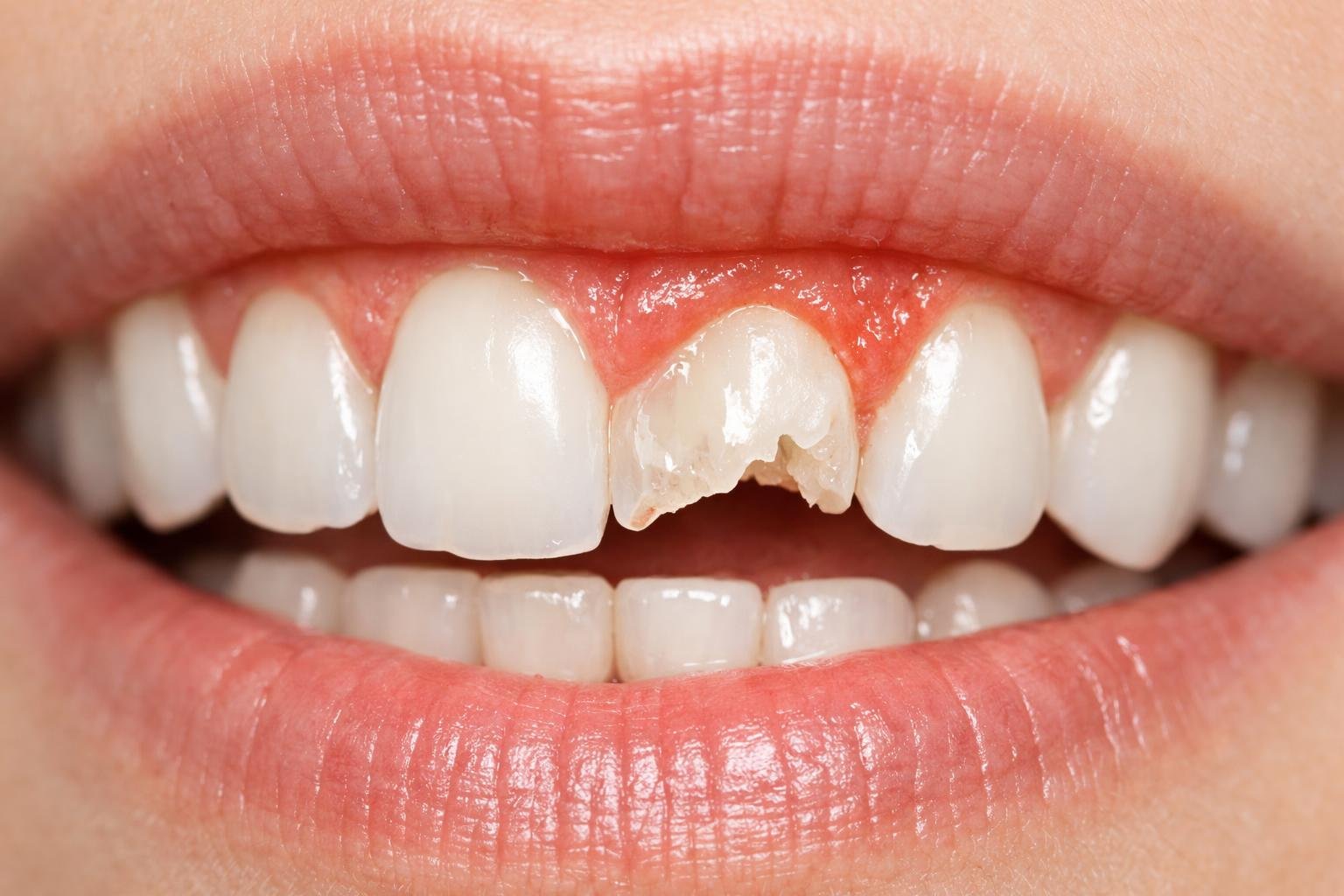
An untreated broken tooth usually gets worse. Pain, infection risk, and damage often increase over time.
Pain, Tooth Sensitivity, And Worsening Tooth Damage
A broken tooth often exposes the inner layers, such as dentin or the nerve. This exposure can cause sharp pain or sensitivity when you eat, drink hot or cold beverages, or even breathe through your mouth.
If you do not treat the tooth, the crack or break can spread deeper. A small chip can turn into a split that reaches the root.
The exposed area is vulnerable to pressure. Biting down can make the fracture worse and harder to repair.
How Bacteria Can Lead To Infection And Dental Abscess
When you break a tooth, bacteria can enter the inner part of the tooth. This can cause tooth decay to develop quickly in the exposed area.
If bacteria reach the pulp, the soft tissue inside the tooth can become infected. This infection can cause a dental abscess, which is a pocket of pus at the root or in the gum.
Symptoms of an abscess include:
- Severe, throbbing tooth pain
- Swelling in the jaw or face
- Fever
- A bad taste in your mouth
- Swollen lymph nodes in your neck
A dental abscess is serious. In rare cases, the infection can spread beyond your mouth if you do not get treatment.
When A Broken Tooth Turns Into Tooth Loss
If you leave a broken tooth untreated for a long time, you may not be able to save it. If the crack goes below the gumline or the infection destroys enough bone and tissue, a dentist may need to extract the tooth.
Tooth loss can cause nearby teeth to shift and affect your bite. Over time, you may also lose bone in your jaw.
Replacing a lost tooth with an implant or bridge usually takes more time and costs more than treating the original break.
When A Broken Tooth Is An Emergency
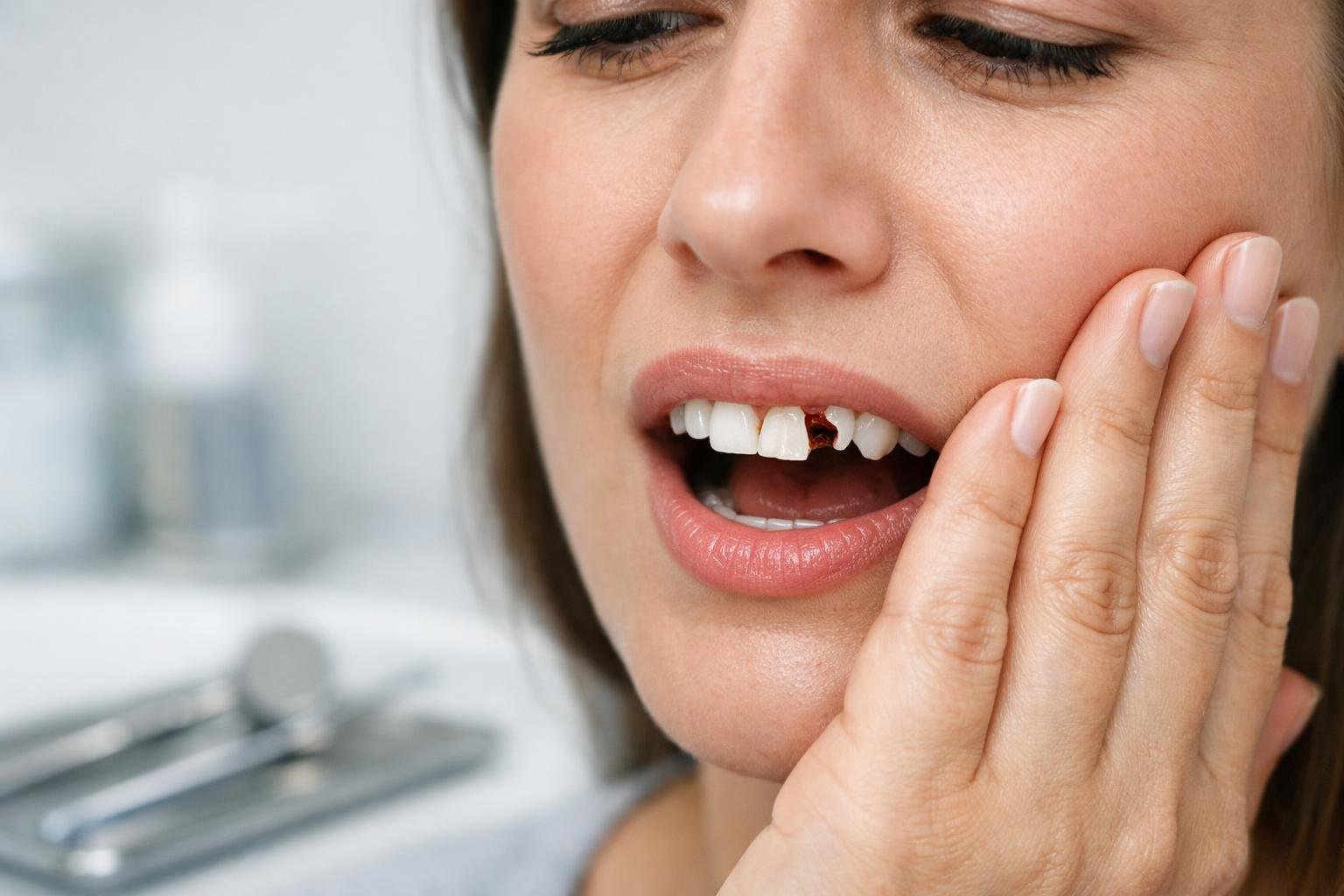
Not every broken tooth needs emergency care. Some situations, such as severe pain, visible nerve exposure, or signs of infection, require immediate help.
Is A Broken Tooth An Emergency
A broken tooth is a dental emergency if it causes intense pain, heavy bleeding, or exposes the inner tooth. If a large part of the tooth breaks off and you can see the nerve, you need same-day care.
Small chips with no pain or sensitivity can usually wait for a normal dental visit. The main concern is whether the break affects your ability to eat, talk, or if you notice signs of infection.
If you are unsure, call your dentist and explain your symptoms. Most dental offices can tell you if you need emergency care.
Symptoms Of A Cracked Tooth You Should Not Ignore
Some cracks are hard to see but still cause problems. Look for these warning signs:
- Sharp pain when biting or releasing pressure
- Sensitivity to hot, cold, or sweet foods that lingers
- Swelling around one tooth
- Pain that is constant or wakes you up at night
- A visible line or chip on the tooth
These symptoms may mean the crack has reached the pulp or root, which usually needs more advanced treatment.
What To Do Before You See An Emergency Dentist
While you wait for your dental appointment, you can do a few things to ease discomfort. Rinse your mouth gently with warm salt water to keep it clean.
You can take over-the-counter ibuprofen to help with pain and swelling. Avoid chewing on the side with the broken tooth, and stay away from very hot, cold, or hard foods.
If the tooth has a sharp edge, you can cover it with dental wax or sugar-free gum to protect your cheek and tongue.
Common Causes Of Tooth Breakage
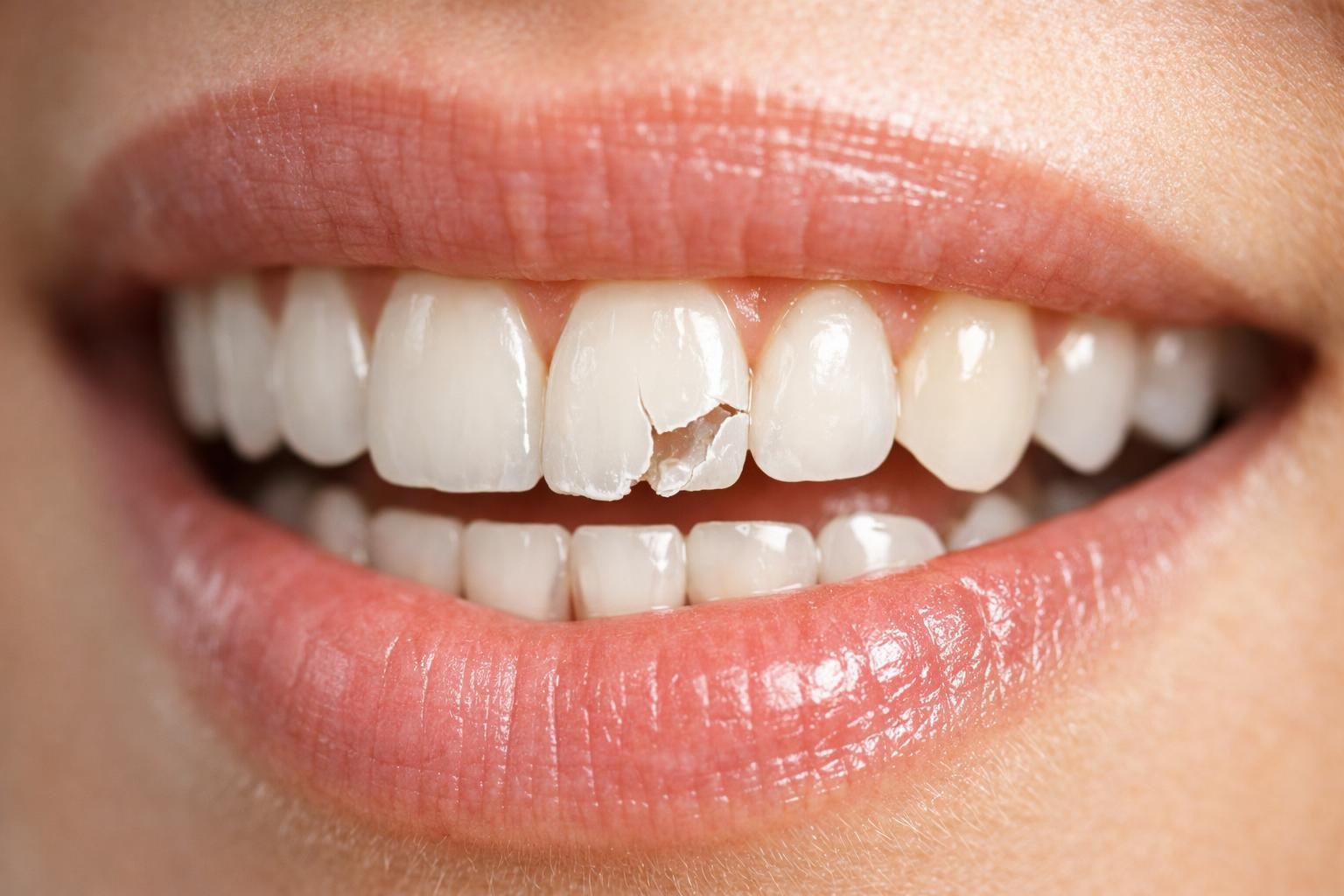
Teeth can break for many reasons. Knowing the cause helps with treatment and prevention.
Physical trauma, weak enamel, and grinding your teeth are common reasons for broken teeth.
Trauma, Hard Foods, And Everyday Habits
A direct hit to the face from sports, a fall, or an accident can break a tooth. Everyday habits can also cause damage.
Chewing on ice, hard candy, or popcorn kernels puts stress on your teeth. Using your teeth to open packages or bite your nails also increases the risk of cracking.
How Tooth Decay, Untreated Cavities, And Old Fillings Weaken Teeth
Tooth decay slowly breaks down enamel and the inside of your tooth. A tooth with a cavity is more likely to crack or break during normal chewing because it is already weak.
Old or large dental fillings can also weaken teeth. Over time, a filling can make the surrounding tooth structure more likely to fracture.
Bruxism And Teeth Grinding
Bruxism, or grinding your teeth, puts extra force on your teeth. Many people grind their teeth while they sleep and may not know it.
Grinding can wear down enamel and cause small cracks to form and grow. Wearing a custom mouthguard at night can protect your teeth from grinding.
Treatment Options For A Broken Tooth
The best treatment for a broken tooth depends on how bad the damage is and if the pulp or root is affected. Treatments can be simple repairs or more involved procedures like extractions and implants.
Dental Bonding, Fillings, And Veneers For Minor Damage
For small chips or cracks that do not reach the nerve, simple treatments often work.
- Dental bonding: The dentist applies a tooth-colored resin and shapes it to restore the tooth. This is quick, affordable, and preserves most of your natural tooth.
- Dental filling: If there is decay, the dentist removes the damaged area and fills it.
- Dental veneers: Thin shells bonded to the front of the tooth, usually for front teeth with cosmetic damage.
These treatments work best if the break is only in the outer layers.
Dental Crown And Root Canal For Deeper Cracks
If the crack or break goes into the dentin or pulp, the dentist may need to take extra steps.
A dental crown covers the whole visible part of the tooth. It protects a weak tooth and restores normal function.
If the pulp is infected or inflamed, the dentist will perform a root canal first. The dentist removes the infected tissue, cleans the inside of the tooth, and then places a crown to restore strength.
Tooth Extraction And Replacement Options
If the tooth is too damaged to save, the dentist will extract it. After removal, you have a few options to replace the missing tooth:
- Dental implant: A titanium post placed in the jawbone supports a crown. It looks and works like a natural tooth and lasts a long time.
- Dental bridge: An artificial tooth attached to the neighboring teeth. It does not need surgery but does require shaping the nearby teeth.
- Partial denture: A removable device that replaces one or more teeth. It is usually the most affordable choice.
Each option has its own pros and cons. Your dentist can help you choose the best one for you.
Frequently Asked Questions
Is it dangerous to leave a broken tooth untreated for a long time?
Yes, it can be dangerous. Bacteria can enter the exposed tooth, causing infection, abscess, and possibly spreading to other areas. Getting early treatment lowers the risk of these problems.
Can a tooth that is cracked in half be okay if it doesn’t hurt?
Not always. A crack that goes toward the root can be serious even if you do not feel pain. Nerve damage or infection may not cause symptoms right away. A dentist should check any tooth that is visibly cracked in half.
What complications can occur if a tooth root is left in the gums?
A tooth root left in the gums can cause ongoing infection, swelling, pain, and bone loss in the jaw. The gum tissue can also become inflamed. Dentists usually recommend removing the root to prevent these problems.
How do you know if a cracked tooth needs to be pulled versus repaired?
A dentist will check the depth and location of the crack using X-rays and an exam. If the crack goes below the gumline or through the root, extraction is usually needed. If the crack is only in the crown, the tooth can often be repaired with a crown or root canal.
Are there any safe home remedies for a broken tooth with an exposed nerve?
There are no home remedies that can treat an exposed nerve. You can use over-the-counter dental cement or temporary filling for short-term relief, but these are only temporary. A dentist needs to treat the nerve with a root canal or extraction.
What are the risks of a tooth split vertically if it isn’t treated?
A vertical tooth split is one of the most serious types of tooth fractures.
If you do not treat it, the two halves can separate further. This separation allows bacteria to infect the root and the surrounding bone.
Dentists usually cannot save a vertically split tooth. They often need to extract it to prevent infection.
📞 Contact Kaufman Dentistry Today
Give us a call at (310) 838-7780 to schedule your appointment and take the first step towards a stunning smile.
You can find us at 10760 Washington Blvd., Culver City, CA 90232. We look forward to welcoming you to our practice and helping you achieve the smile of your dreams!