
Why Some People Get Cavities
Many people wonder why some individuals get cavities while others rarely have them. Cavities form when bacteria in the mouth produce acid that breaks down tooth enamel.
Genetics, daily habits, diet, saliva, and the specific mix of bacteria in your mouth all play a role. These factors work together to determine your risk.
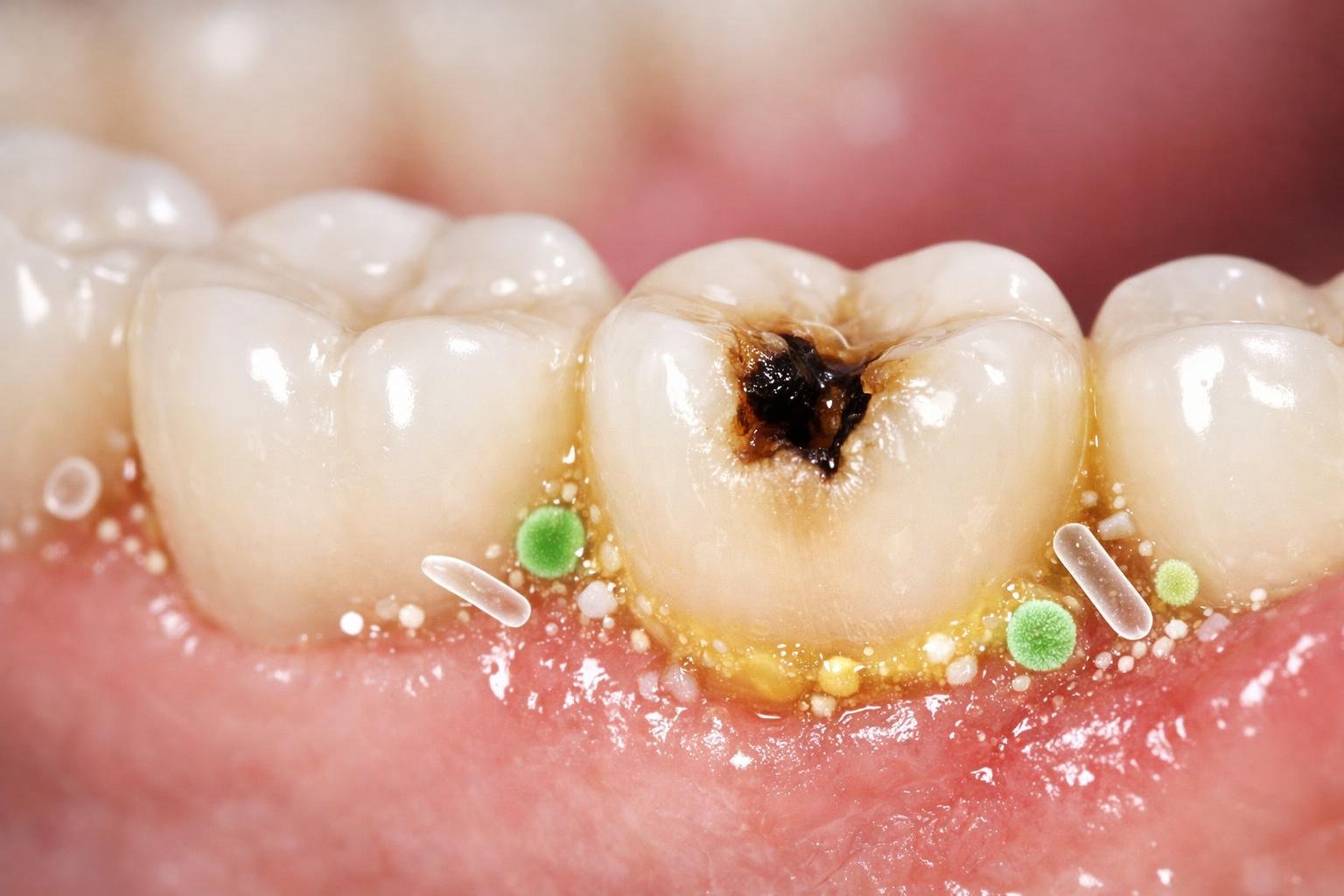
Cavity risk depends on more than brushing alone. Tooth enamel density and how often you snack also matter.
Some people have biological disadvantages that make cavities more likely, even when they brush well. Others get cavities more often because of habits they can change.
This article explains the main causes of tooth decay, who is most at risk, and what actually helps prevent cavities. It covers fluoride, dental sealants, and regular dental check-ups.
Key Takeaways
- Cavities form through a mix of bacteria, acid, and weakened tooth enamel.
- Genetics, saliva production, and your oral microbiome can make you more likely to get cavities.
- Brushing, smart dietary choices, and fluoride treatments lower cavity risk.
What Actually Causes Cavities
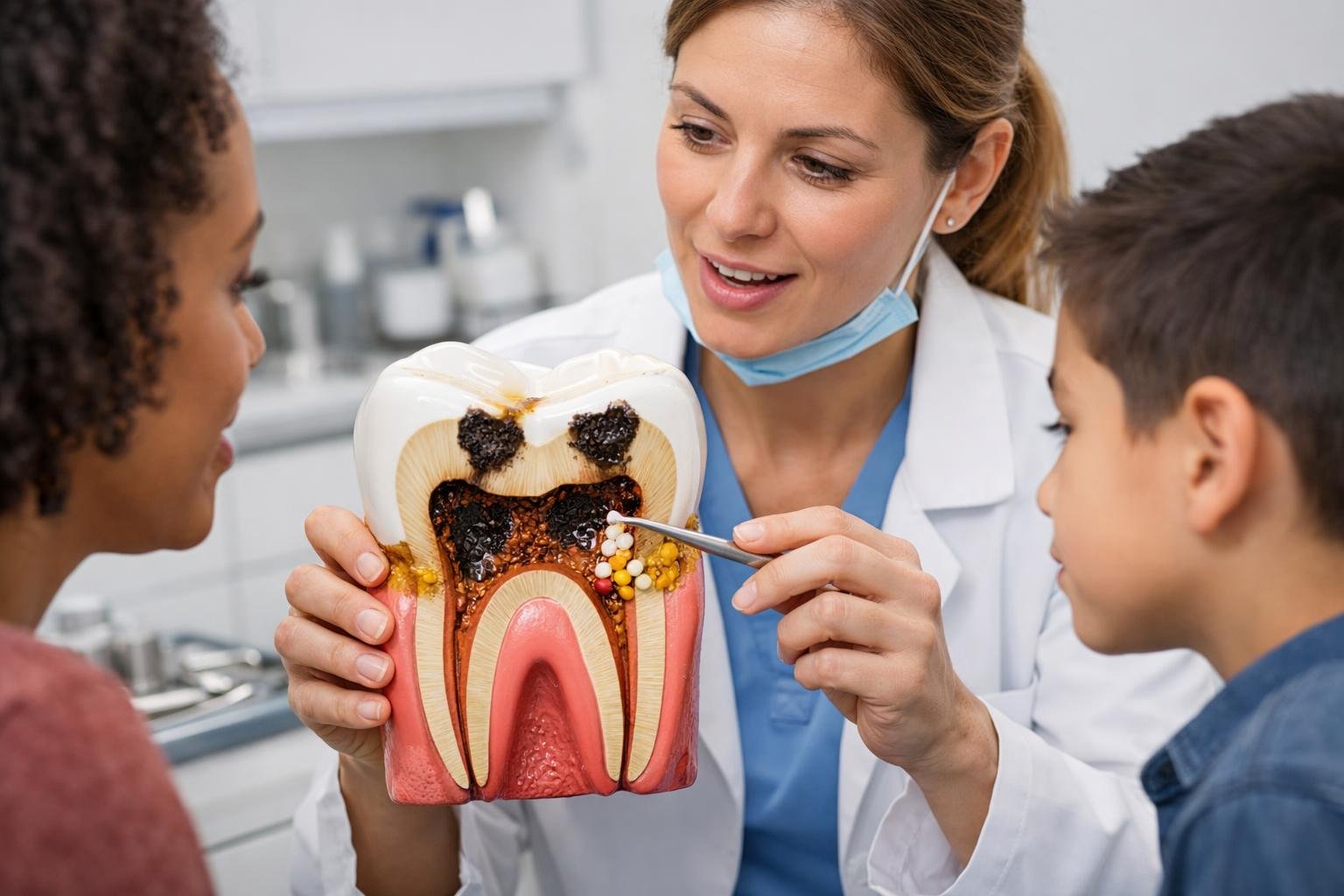
Oral bacteria, acid, and tooth enamel all play a part in cavity formation. Cavities do not develop overnight.
Catching cavities early can limit the damage.
How Plaque, Acid, And Bacteria Damage Tooth Enamel
Plaque is a sticky film that forms on teeth when bacteria mix with food particles and saliva. Streptococcus mutans is a main type of bacteria that feeds on sugars and produces acid.
That acid damages tooth enamel. Over time, repeated acid exposure removes calcium and phosphate from enamel, creating soft spots that can become cavities.
Why Some Early Areas Of Decay Can Be Reversed
In the earliest stage, decay stays on the enamel surface and does not create a hole. At this point, remineralization is possible.
Saliva brings calcium and phosphate back to weakened enamel. Fluoride helps this repair process.
Early detection matters. If a cavity is caught in the white spot stage, you can sometimes stop it without drilling.
When Tooth Decay Progresses Into Pain, Infection, Or Tooth Loss
When decay moves past the enamel and into the dentin, the damage is permanent and needs treatment. If untreated, decay can reach the tooth’s pulp and cause infection, pain, or tooth loss.
Dentists may need to perform root canals, place crowns, or remove the tooth depending on how far decay has spread.
Why Some People Are More Prone To Cavities

Biological factors play a bigger role in cavity risk than many realize. Enamel density, saliva quality, the bacteria in your mouth, and tooth shape all affect your risk.
Genetics, Enamel Density, And Natural Enamel Strength
Some people are born with weaker enamel because of genetics. Thinner or softer enamel gives less protection against acid, making decay more likely even with good oral hygiene.
Enamel density varies from person to person. Brushing alone cannot change this.
Saliva Production, Saliva Composition, And Dry Mouth
Saliva helps defend against cavities by neutralizing acid, washing away food, and bringing minerals to tooth surfaces.
People with dry mouth lose that protection. This can happen from medications, medical conditions, or naturally low saliva.
Low saliva flow lets cavity-causing bacteria thrive.
Oral Microbiome, Family Risk, And Cavity-Causing Bacteria
The mix of bacteria in your mouth, called the oral microbiome, differs for everyone. People with more Streptococcus mutans have a higher cavity risk.
This bacteria can spread between family members. Cavities may seem to run in families even when hygiene habits are similar.
Misaligned Teeth, Gum Recession, And Hard-To-Clean Areas
Crooked or crowded teeth create tight spaces where plaque builds up and toothbrushes cannot reach well. Gum recession exposes root surfaces, which do not have the same enamel protection as crowns.
These structural issues increase cavity risk, regardless of hygiene habits.
Everyday Habits That Increase Or Lower Cavity Risk

Daily habits affect how much acid your teeth face and how well you remove plaque. Small changes in routine can make a real difference over time.
Brushing And Flossing Habits That Matter Most
Brushing twice a day removes plaque before it hardens. Flossing daily clears spaces between teeth where toothbrushes cannot reach.
Technique is important. Brushing for at least two minutes and covering all tooth surfaces works better than a quick brush.
How Sugary Foods And Acidic Foods Feed Tooth Decay
Sugary foods give bacteria the fuel to produce acid. Acidic foods and drinks, like citrus fruits and sodas, weaken enamel directly.
Eating both types together can be especially harmful to your teeth.
Why Snacking Frequency And Daily Routine Affect Oral Hygiene
Each time you eat, bacteria produce acid that attacks enamel for about 20 to 30 minutes. Frequent snacking keeps your teeth in an acidic state longer.
Limiting snacks and rinsing with water after eating can help reduce plaque and protect your teeth.
How To Prevent Cavities If You Are High Risk
People with higher genetic risk or biological disadvantages like dry mouth or weak enamel need a focused cavity prevention plan. Fluoride, dental sealants, and regular dental care are key parts of this strategy.
Using Fluoride Toothpaste, Fluoridated Water, And Fluoride Treatments
Fluoride strengthens enamel by helping minerals return to teeth and making enamel more acid-resistant. Using fluoride toothpaste twice a day is recommended for everyone.
People with fluoridated water get extra protection. Those at higher risk may need prescription-strength fluoride toothpaste or in-office fluoride treatments.
When Dental Sealants And Professional Fluoride Treatment Help Most
Dental sealants are thin coatings placed on back teeth to protect them from cavities, especially in children and teens. They block food and bacteria from settling in grooves.
Dentists apply professional fluoride treatments as a gel or varnish during check-ups. These treatments give a stronger dose of fluoride than toothpaste and are useful for people with frequent cavities.
Why Regular Dental Visits Support Early Detection And Prevention
Regular dental check-ups let dentists find early decay before it turns into a cavity needing a filling. X-rays can show decay between teeth that you cannot see.
High-risk patients may need to visit the dentist every three to four months instead of twice a year.
Frequently Asked Questions
Why do I keep getting cavities even though I brush and floss regularly?
Brushing and flossing lower your risk but do not prevent all cavities. Weak enamel, dry mouth, high levels of Streptococcus mutans, and frequent sugar intake can still cause cavities. Your dentist can help identify your personal risk factors.
What are the main causes of tooth decay and cavities?
Cavities form when oral bacteria eat sugars and produce acid that wears down enamel. Plaque buildup, a diet high in sugar or acid, low saliva, and weak enamel are major causes. Genetics and your oral microbiome also play a role.
Can cavities be reversed or healed at home without a dentist?
You can remineralize very early decay with fluoride and good oral hygiene before a true cavity forms. Once a hole forms in the enamel, only a dentist can repair it. Home care helps stop early decay but cannot fix an existing cavity.
How do the bacteria that cause cavities spread or develop in the mouth?
Streptococcus mutans, the main cavity-causing bacteria, can spread through saliva. Sharing utensils, kissing, or a caregiver tasting a child’s food are common ways. These bacteria settle on teeth and multiply, especially with a high-sugar diet.
What do cavities look like in the early stages?
Early cavities may look like white, chalky spots on the enamel. As decay gets worse, it can turn brown or black and form a small pit or hole. Many early cavities are not visible and need dental X-rays or a professional exam to detect them.
Do cavities always hurt, or can they be painless?
Many cavities, especially early ones, do not cause any pain.
Pain usually starts when decay reaches the dentin layer or gets close to the tooth’s nerve.
If you wait for pain before seeing a dentist, the cavity may have already advanced. Regular dental check-ups help catch cavities early, even when your teeth feel fine.
📞 Contact Kaufman Dentistry Today
Give us a call at (310) 838-7780 to schedule your appointment and take the first step towards a stunning smile.
You can find us at 10760 Washington Blvd., Culver City, CA 90232. We look forward to welcoming you to our practice and helping you achieve the smile of your dreams!