
Gum Grafting Explained: Procedure, Recovery, and Costs
Gum grafting is a surgical procedure that adds gum tissue to areas where gums have pulled back and exposed tooth roots. If your dentist recommends a gum graft, or if your teeth look longer than before, this guide will help you understand what causes recession and what the surgery involves.
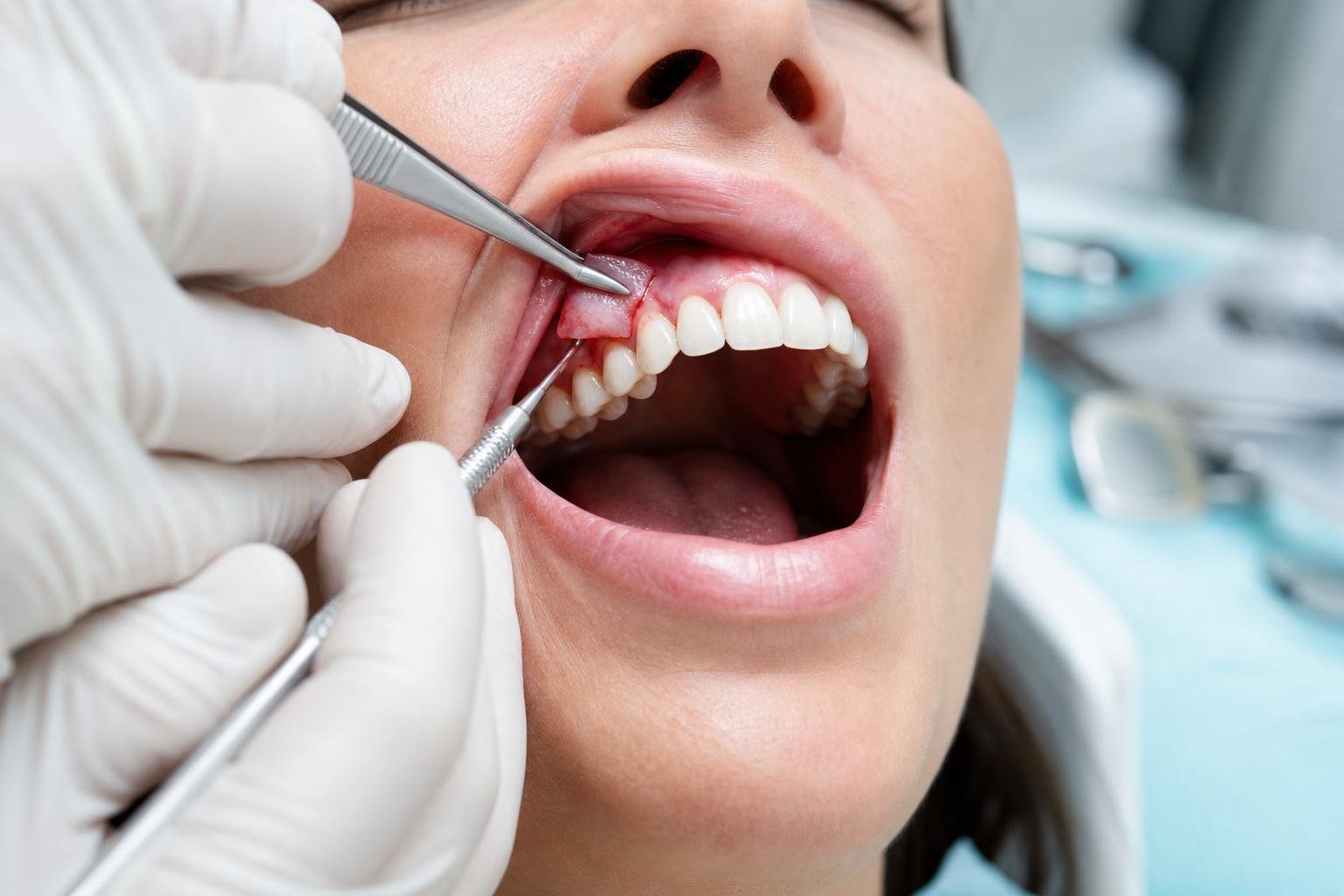
Most patients find gum grafting results in greater comfort and better appearance after a short recovery. Gum graft surgery can stop recession from worsening, reduce tooth sensitivity, and protect roots from decay and bone loss.
This article explains when gum grafting is needed, how the procedure works, what recovery involves, and the typical costs.
Key Takeaways
- Gum recession exposes tooth roots and may cause sensitivity, decay, and bone loss if untreated.
- Different types of gum grafts exist, and the best choice depends on the extent of recession and your own tissue.
- Costs vary by location, technique, and the number of teeth involved, and dental insurance may cover part of the expense.
When Gum Grafting Is Needed
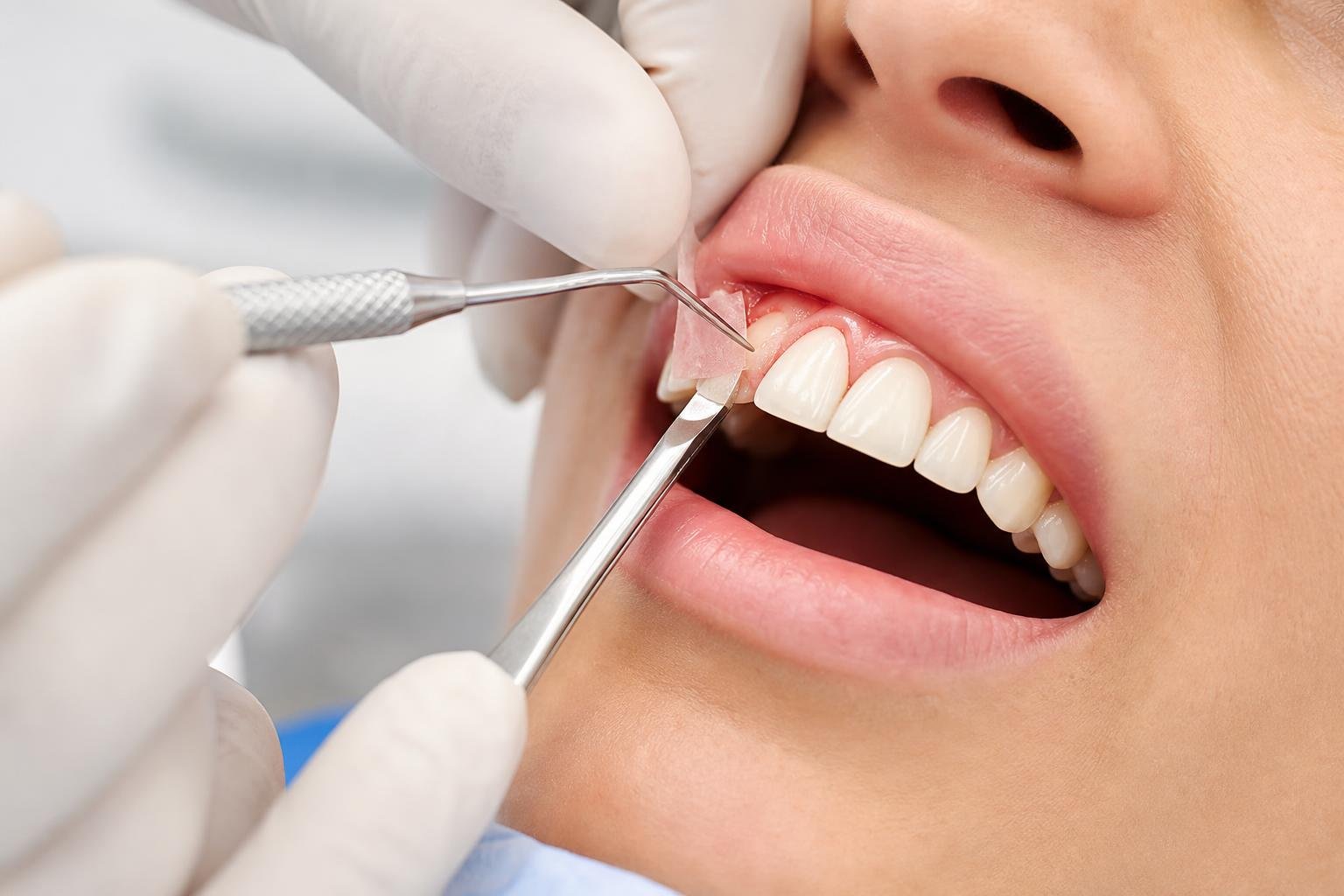
Dentists recommend gum grafting when recession has progressed enough to put teeth at risk. They base the decision on how much root is exposed, whether sensitivity is present, and if the recession is still advancing.
How Gum Recession Leads to Exposed Roots
The gingiva, or gum tissue, surrounds and protects the base of each tooth. Over time, gums can pull away from the tooth surface.
When gums pull back, the root becomes exposed. Tooth roots lack a hard protective layer, which makes them more sensitive and prone to decay and wear.
Without enough gum tissue, the underlying bone may start to break down. Treating gum recession early helps preserve long-term tooth health.
Common Causes of Receding and Thinning Gums
Several factors can cause gum recession.
- Gum disease (periodontal disease): Bacterial infection destroys gum tissue and bone.
- Aggressive brushing: Brushing too hard with a stiff brush can wear gum tissue away.
- Thin gum tissue: Some people naturally have thinner gums, making recession more likely.
- Teeth grinding or clenching: Excess force on teeth can speed up tissue loss.
- Orthodontic movement: Moving teeth outside the bone can cause gums to recede.
- Tobacco use: Smoking and chewing tobacco reduce gum health.
Signs That Call for a Periodontal Evaluation
Certain symptoms mean you should see a dentist or periodontist soon. Tooth sensitivity to cold, heat, or sweet foods is an early sign.
Teeth that look longer, a notch near the gumline, or gums that bleed easily during brushing are also reasons to get checked. A gum specialist can measure recession and decide if a graft is needed.
What Happens During Treatment
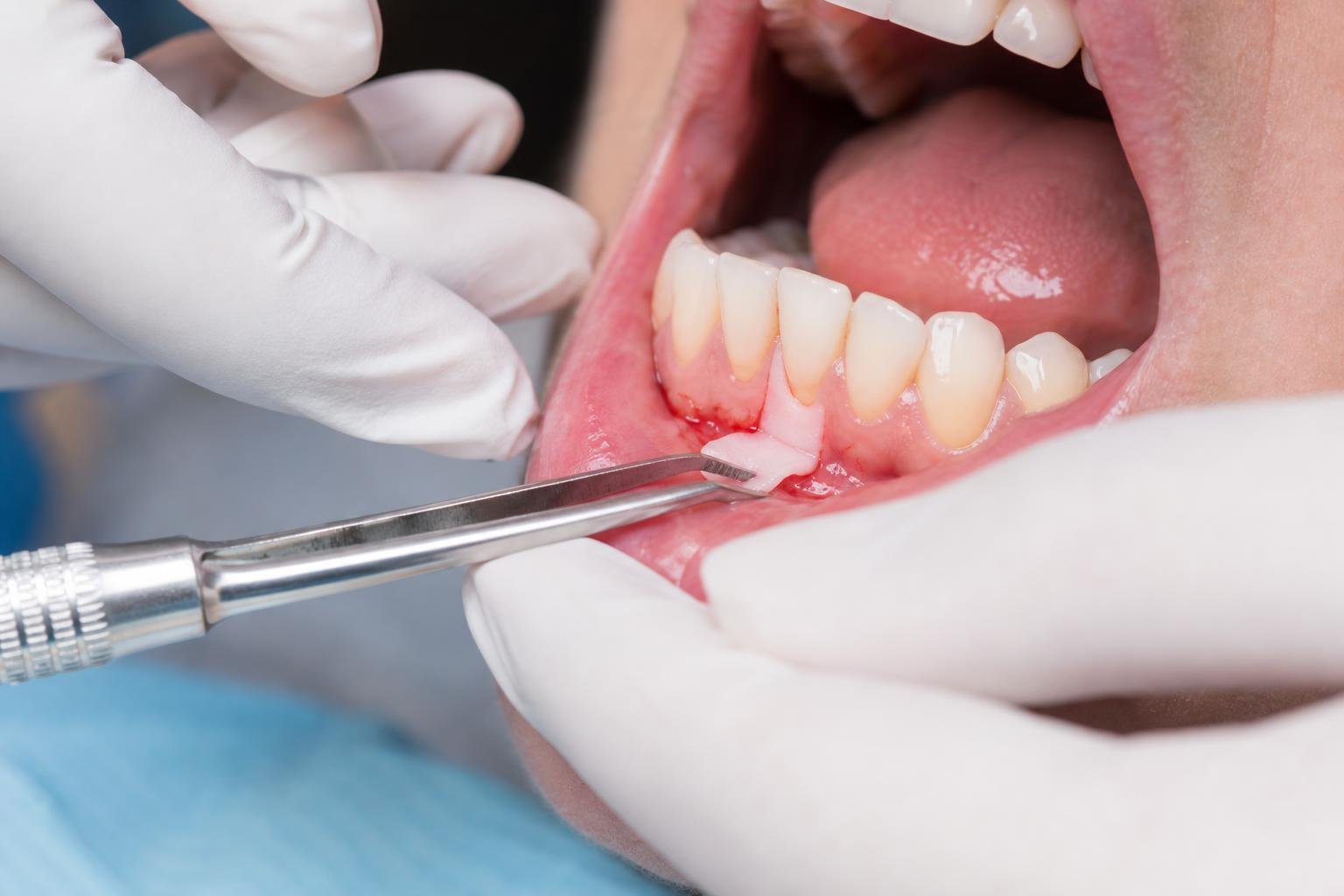
The gum graft procedure follows clear steps, starting with an evaluation and ending with surgery. The technique used depends on how much tissue is needed and where it comes from.
Knowing the steps in advance can help reduce anxiety.
Exam, Planning, and the Role of the Periodontist
A periodontist, a dental specialist in gum and bone health, usually performs gum grafting. The process starts with a detailed exam, including probing the gums, measuring recession, and reviewing X-rays.
The periodontist then creates a treatment plan. They identify which teeth need coverage, choose the best grafting method, and check for any gum disease that needs treatment first.
Step-by-Step Overview of the Gum Graft Procedure
-
The dentist numbs the area with local anesthesia.
-
They make a small incision at the recipient site to create a pocket for new tissue.
-
The dentist harvests or prepares donor tissue, depending on the graft type.
-
They place the tissue, position it to cover the exposed root, and suture it into place.
-
A periodontal dressing may cover the area to protect it during early healing.
The procedure usually takes one to two hours, depending on how many teeth are treated.
Connective Tissue, Free Gingival, Pedicle, and Donor Grafts

Anesthesia and Sedation Options
Dentists use local anesthesia to keep the procedure comfortable. For patients with dental anxiety, oral or IV sedation may be available.
Discuss sedation options with your periodontist if you feel anxious about the procedure.
Recovery, Healing, and Possible Complications
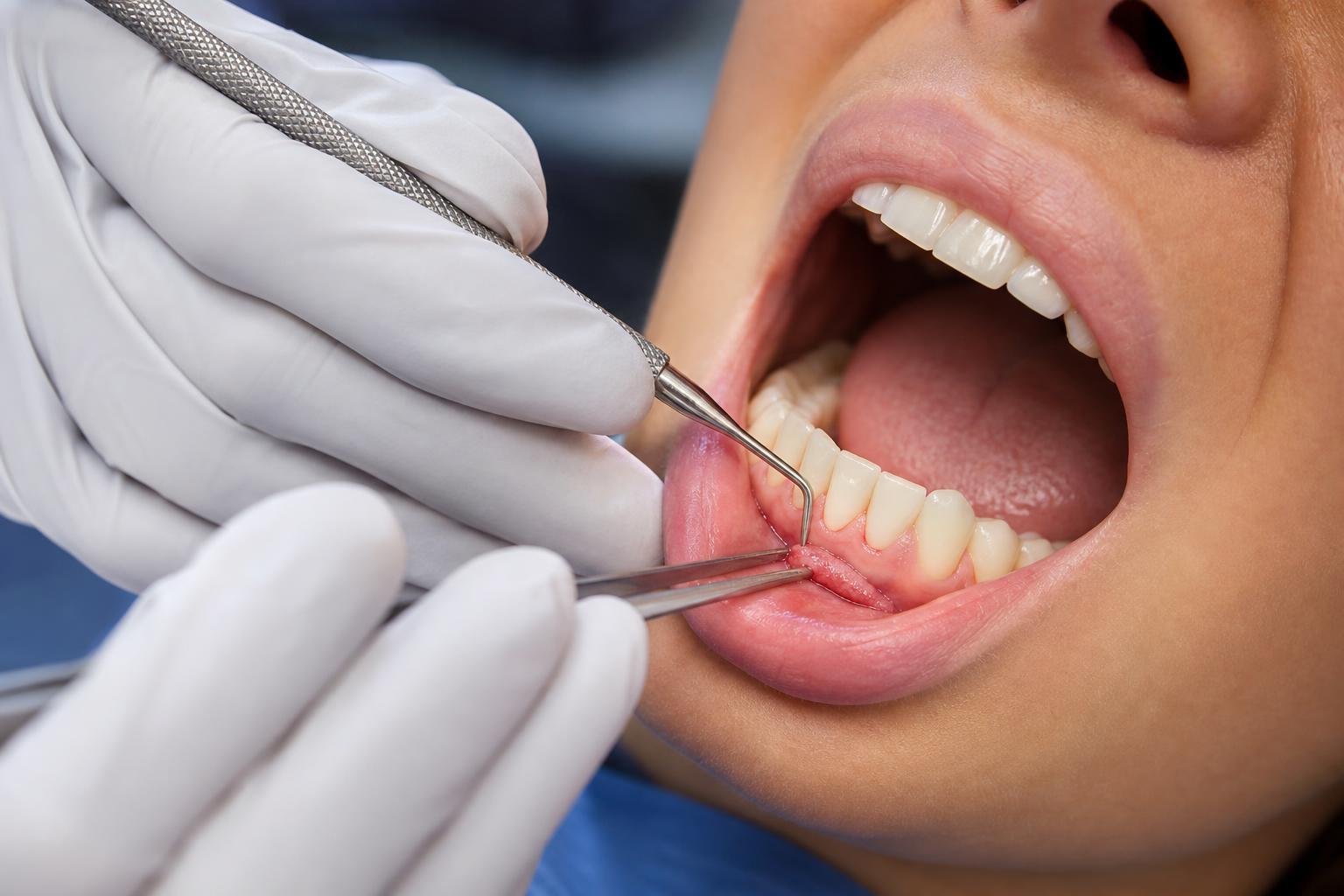
Most patients manage gum graft recovery well by following post-op instructions. The graft site needs time to join with existing tissue, and disturbing it too soon can cause complications.
What to Expect in the First Two Weeks
Swelling, tenderness, and mild bleeding are normal in the first few days after gum graft surgery. Most people find discomfort peaks around day two or three, then gradually improves.
Over-the-counter pain relievers are usually enough, but a dentist may prescribe medication for more extensive cases.
A periodontal dressing, which is a soft covering, may protect the graft. Dentists usually remove it at a follow-up visit.
Eating, Cleaning, and Activity After Surgery
Diet is important for gum graft healing. Eat soft, cool foods for the first one to two weeks.
Avoid hard, crunchy, spicy, or very hot foods.
For oral hygiene:
- Do not brush or floss the graft site until your periodontist says it is safe.
- Use a prescribed or recommended antimicrobial rinse to keep the area clean.
You can gently brush other areas of your mouth after the first 24 hours.
Limit physical activity for at least the first few days to reduce swelling and bleeding.
Healing Timeline and Follow-Up Care
Most patients notice improvement within two to four weeks. Full healing and integration of the graft can take several months.
Follow-up visits let the periodontist track healing, remove sutures, and confirm the tissue is attaching properly.
Warning Signs and Risk of Graft Failure
Graft failure is rare, but possible. Watch for these signs:
- Tissue that turns white or gray and does not return to pink
- Pain that gets worse after the first week
- Graft tissue that moves or feels loose
- Swelling that increases instead of improving
Contact your periodontist right away if you notice any of these problems.
Cost, Long-Term Results, and Prevention
Gum graft costs vary and depend on how many teeth are treated, the technique used, and your location.
What Affects the Cost of a Gum Graft
A single-tooth connective tissue graft in the United States usually costs between $600 and $1,200 without insurance. Treating more teeth or using donor tissue may increase the price.
Specialist fees, location, and the complexity of recession also affect cost.
In cities like Los Angeles, prices may be higher than the national average.
Insurance, Specialist Fees, and Treatment Scope
Dental insurance may cover gum grafts if the procedure is medically necessary. Coverage is more likely with documented bone loss, significant recession, or a clinical need to protect the tooth.
Get a predetermination from your insurance company before scheduling surgery. This gives you a clear idea of what will be covered.
How to Help Prevent Future Recession
Good oral hygiene is the best way to slow or prevent future gum recession.
- Use a soft-bristled toothbrush and gentle pressure.
- Brush and floss consistently without scrubbing too hard.
- Get regular professional cleanings to control bacteria and buildup.
- Treat gum disease early before it causes tissue and bone loss.
- Wear a nightguard if you grind or clench your teeth.
Patients who maintain gum health after a graft often see long-lasting results.
Frequently Asked Questions
Who is a good candidate for a gum graft procedure?
Good candidates have measurable gum recession that exposes tooth roots, causes sensitivity, or puts teeth at risk for decay or bone loss. Patients should be in good overall health and free of active, untreated gum disease before surgery.
What are the main types of gum grafts and how do they differ?
The three main gum graft techniques are connective tissue grafts, free gingival grafts, and pedicle grafts. Connective tissue grafts use tissue from under a flap in the palate and are most common for covering roots.
Donor grafts, like AlloDerm, are an option if using your own palate tissue is not preferred.
How is a gum graft performed from consultation to completion?
The process begins with an exam and treatment plan. During surgery, the dentist prepares the graft site, places the tissue, and sutures it.
Most cases finish in one visit, with follow-up appointments to monitor healing.
What is the typical recovery timeline and what care is required after the procedure?
Most patients feel better within one to two weeks. Full tissue integration can take several months.
During recovery, eat soft foods, limit activity, and avoid brushing and flossing at the graft site. Following post-op instructions closely helps ensure good results.
What risks and complications can occur, and how common are they?
Graft failure, infection, and incomplete root coverage can occur, but they are uncommon. Most problems happen if the graft site is disturbed too soon or if gum disease is not managed before surgery.
Prompt follow-up with the periodontist helps catch and solve any issues.
How long do gum graft results usually last, and what factors affect long-term success?
Gum grafting results can last for many years. In many cases, they remain permanent when you maintain good oral hygiene and address causes like aggressive brushing or grinding.
Untreated gum disease or continued recession in other areas can reduce long-term stability. Regular periodontal maintenance visits help protect your results.
📞 Contact Kaufman Dentistry Today
Give us a call at (310) 838-7780 to schedule your appointment and take the first step towards a stunning smile.
You can find us at 10760 Washington Blvd., Culver City, CA 90232. We look forward to welcoming you to our practice and helping you achieve the smile of your dreams!