
TMJ Disorder Symptoms And Treatment Guide
Jaw pain that flares up when you eat, a clicking sound every time you open your mouth, or tension headaches that seem to radiate from nowhere specific; these are things a lot of people just shrug off. Many don’t realize these symptoms often trace back to the same spot: the temporomandibular joint.

TMJ disorder, or temporomandibular joint dysfunction, affects the joint that connects your lower jaw to your skull, plus the muscles and tissues around it. The National Institute of Dental and Craniofacial Research says this covers a wide range of problems that can cause pain, limited jaw movement, and discomfort that goes well beyond your jaw. The Cleveland Clinic points out that temporomandibular disorders affect the joints in your jaw and the muscles around them, and symptoms can be mild and fleeting or stick around and get in the way of daily life.
Most cases actually respond pretty well to simple, conservative care. You don’t always need anything drastic to get real relief.
Key Takeaways
- TMJ disorder can show up as jaw pain, clicking, headaches, or ear discomfort, stuff that’s easy to miss or blame on something else.
- Dentists usually evaluate TMJ problems by going over your symptoms, doing a physical exam, and sometimes using imaging, but rarely need a ton of tests.
- A lot of people get real relief from home care, night guards, or bite appliances, and only need more advanced treatment if those don’t work.
What The Jaw Joint Does
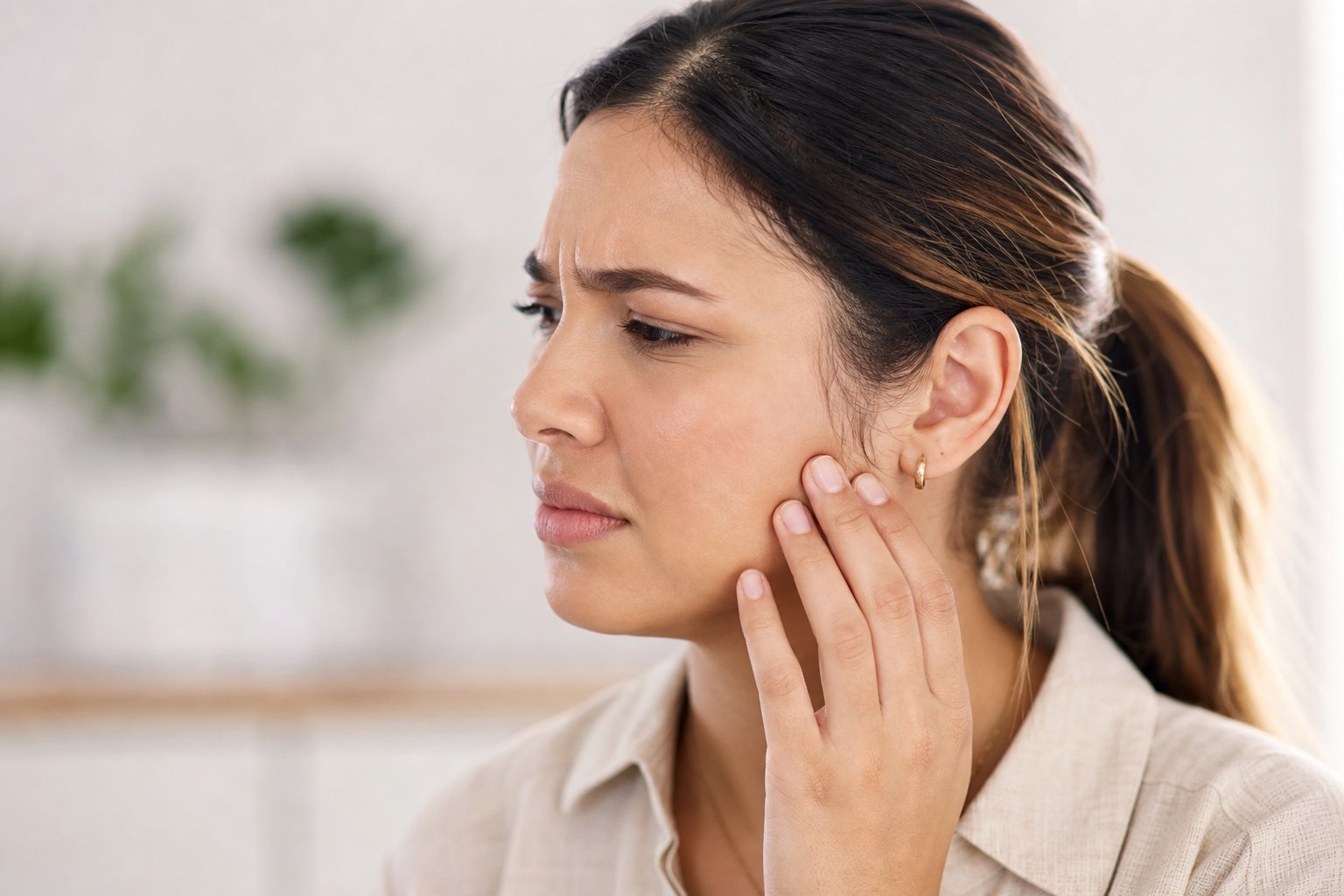
You use your temporomandibular joint constantly—pretty much every time you talk or eat. If it works right, you don’t even think about it. But when it doesn’t, the effects can ripple out in ways you might not expect.
How The Temporomandibular Joints Work
You’ve got two temporomandibular joints, one on each side of your face, right in front of your ears. The American Association of Oral and Maxillofacial Surgeons describes this as the spot where your skull and lower jaw meet.
This joint works as both a hinge and a sliding joint, letting your jaw move up and down, side to side, and even forward and backward.
A small disc of cartilage cushions the bones during movement. If the disc sits where it should and your muscles are relaxed and balanced, your jaw moves smoothly and quietly.
But if something throws off that balance, maybe the disc slips or the muscles tighten up, the joint can get cranky pretty fast.
Why Muscle And Bite Issues Can Affect Comfort
Your jaw joint doesn’t operate alone. The muscles that move your jaw and the way your teeth fit together both matter a lot. If your bite is off or your jaw muscles work overtime, the joint ends up taking more of a beating.
Chronic tension from clenching, or a bite that doesn’t line up, strains the joint. NCBI research says temporomandibular disorders actually include over 30 different health conditions tied to the joint and the tissues around it.
Common Warning Signs

TMJ disorder is notorious for causing symptoms that don’t seem related to your jaw at all. That makes it easy to overlook or misdiagnose, sometimes for months.
Knowing the range of symptoms can really help you keep your health on track.
Jaw Pain And Facial Soreness
The most obvious sign is pain or tenderness around your jaw joint. Healthline says pain in the jaw and surrounding muscles is the most common symptom.
You might feel a dull ache along your cheek, sore muscles below your temples, or sharper pain when you chew. Activities that make your jaw work harder—like eating tough foods, talking a lot, or yawning big—can make it worse. Sometimes, the ache sticks around even after you stop.
Clicking Popping And Limited Movement
A clicking or popping feeling when you open or close your mouth is a classic TMJ sign. This usually happens when the joint’s disc slips out of place during movement. The noise itself might not hurt, but it’s worth paying attention to.
It’s more concerning if your jaw starts to feel stiff or stuck. Some folks notice they can’t open their mouth as wide, or their jaw catches and locks up for a second. Penn Medicine lists these movement issues as some of the top TMJ symptoms.
Headaches Ear Symptoms And Neck Tension
Since the temporomandibular joint sits right near your ear canal and the base of your skull, problems here can cause weird symptoms elsewhere. You could get headaches, ear fullness, ringing, or even earaches with no infection. Neck stiffness and upper shoulder tension pop up a lot too.
According to myspecialtydentist.com, TMJ symptoms can show up in your ears, head, neck, and face, so it’s easy to blame them on something else. If you keep treating headaches or ear pain with no luck, it might be time to have your jaw joint checked out.
Possible Causes And Risk Factors
TMJ disorder almost never comes from just one thing. Usually, it’s a mix of mechanical, behavioral, and physical factors that keep putting stress on the joint and tissues.
Teeth Grinding And Clenching
Bruxism, also known as grinding or clenching your teeth, is one of the biggest culprits behind TMJ issues. Lots of people grind at night without realizing, putting tons of pressure on the joint and jaw muscles for hours. Over time, this wears down the joint and tires out the muscles.
Daytime clenching is just as bad and often comes from stress. Healthgrades lists teeth clenching and grinding as top reasons TMJ disorders develop. Even if you don’t notice, your dentist can usually spot the wear patterns.
Stress Injury And Arthritis
Stress ramps up muscle tension all over, including your jaw, and makes habits like clenching worse. A direct hit to the jaw, like getting punched, whiplash from a car accident, or holding your mouth open for a long dental procedure, can also kick off TMJ symptoms.
Arthritis plays a role too. Both osteoarthritis and rheumatoid arthritis can damage the cartilage and bone in the joint. eMediHealth also mentions certain genetic factors tied to inflammation and pain sensitivity that raise your TMJ risk.
Bite Changes And Dental Wear
An uneven bite from crooked teeth, missing teeth, or dental work that doesn’t fit puts uneven pressure on your jaw joint. Over time, this imbalance strains the joint and makes your muscles work harder. Heavy dental wear from grinding makes things worse by changing how your teeth meet and shifting your jaw’s resting spot.
How Dentists Evaluate The Problem
Diagnosing TMJ disorder takes more than just one quick check. Dentists look at your history, your bite, your muscles, and how your joint moves to get the full picture.
Review Of Symptoms And Jaw Function
Dentists usually start by asking about when your symptoms began, how they change, and what helps or makes them worse. Your dental history matters too—past jaw injuries, dental work, and habits like gum chewing or nail biting all come up. Ascend Dentistry explains that a detailed dental history is key for figuring out what’s causing your symptoms.
They’ll probably ask if your pain is worse in the morning, which hints at nighttime grinding, or later in the day, which usually means daytime clenching from stress.
Exam Of Teeth Muscles And Joint Movement
During the exam, your dentist will press on your jaw muscles and joint to check for tenderness. They’ll see how wide you can open your mouth, listen or feel for clicks and pops, and check your bite. The American Association of Oral and Maxillofacial Surgeons says evidence-based evaluation is the gold standard for diagnosing TMJ problems.
Your dentist will also look for wear, cracks, or patterns that show grinding or clenching. These clues often reveal habits you might not even notice.
When Imaging Or Specialist Referral May Help
Standard dental X-rays can show some joint changes, but sometimes you need more detailed imaging like cone beam CT or MRI for tricky or stubborn cases. Diagnoxtmj says advanced imaging helps specialists see the position of the joint disc and check the bone and tissue.
For complicated cases, your dentist might refer you to an oral surgeon or orofacial pain specialist. A dentist trained in TMJ disorders is usually the best place to start, and experts say chronic or tough cases may do better with a team approach.
Treatment Options That May Help
Most TMJ treatment starts with the basics, and for a lot of people, that’s enough. It makes sense to start simple and only move up to more involved treatments if you need them.
Home Care And Habit Changes
Taking care of yourself at home is often the first and best step for mild or moderate TMJ symptoms. The TMJ Association suggests eating soft foods, using ice or moist heat on the sore area, and skipping big yawns or lots of gum chewing. These easy changes take the pressure off your joint and give your muscles a break.
Watching your daytime habits matters too. If you catch yourself clenching when stressed, try to relax your jaw, keep your teeth slightly apart when you’re not eating, and use stress-busting techniques like moving around or practicing relaxation. Over time, these small shifts can make a real difference.
Custom Night Guards And Bite Appliances
If you struggle with nighttime grinding or clenching, a custom-fitted night guard can really help. Dentists use impressions of your teeth to make these oral appliances, so they fit your mouth perfectly.
A night guard acts as a protective barrier. It absorbs the force from grinding and helps your jaw muscles relax a bit more.
The Mayo Clinic points out that mouth guards work well for managing TMJ disorder symptoms, especially when you use them with other conservative measures.
Custom appliances from your dentist fit your bite exactly, which means better comfort and results than the generic ones from the drugstore. At places like Kaufman Dentistry in Culver City, dentists look at bite appliances as part of a bigger picture, checking your jaw function and signs of dental wear.
Restorative Care For Damaged Teeth
If grinding from TMJ has worn down your teeth, left chips, or caused real damage, you might need restorative dental work. Crowns or onlays can rebuild worn teeth and bring your bite back to a healthier height.
Dentists at Shelby Charter Dentist mention prosthodontic appliances and dental restorations as possible treatments, depending on how bad things have gotten. Fixing bite problems this way helps reduce uneven pressure, which can take some strain off your jaw joints.
When To Seek Professional Care
A lot of people put off getting their jaw symptoms checked out. Honestly, waiting too long can turn a simple issue into something much harder to treat.
Symptoms That Should Not Be Ignored
If you just have a little jaw tension after a rough week, it might go away on its own. But if you have jaw pain that sticks around for more than a few weeks, trouble opening or closing your mouth, jaw locking, or headaches around your temples, it’s time to see a dentist.
Ear pain without any obvious infection is another red flag. If any of this sounds familiar, don’t wait around.
Experts warn that ignoring these symptoms can let things get worse, making treatment more complicated. Research from Diagnoxtmj also shows that getting care early usually leads to easier, better results.
What To Expect At A Dental Visit
At your first visit for TMJ concerns, the dentist will want to get a clear sense of your symptoms and how your jaw moves before recommending anything. They’ll ask about your history, check your jaw and muscles, look for tooth wear, and talk through what they find.
Once they have the details, they’ll put together a plan just for you. Usually, treatment starts simple, with things like appliances, habit tweaks, and keeping an eye on things before moving on to anything more involved.
Your Dental Health Resource says that a thorough TMJ evaluation helps your dentist pick the best approach for your symptoms. If you’re near Culver City and want your jaw checked out, you can call Kaufman Dentistry at (310) 838-7780.
Frequently Asked Questions
What are the most common signs and symptoms of jaw joint dysfunction?
Common signs include jaw pain, tenderness, clicking or popping when you move your jaw, and trouble chewing or opening your mouth all the way. Headaches, earaches, and face soreness can show up too, and people don’t always realize these are connected to their jaw.
WebMD notes that symptoms can really vary, depending on what’s causing the problem and how severe it is.
What typically causes jaw joint pain and clicking?
Most often, jaw pain and clicking come from the cartilage disc inside the joint moving out of place, tense muscles, or habits like grinding and clenching. Sometimes, trauma, a misaligned bite, or arthritis can start or worsen these symptoms.
The Mayo Clinic points out that you can’t always pin down one cause, and it’s usually a mix of things.
How is jaw joint dysfunction diagnosed by a dentist or specialist?
Diagnosis usually starts with a conversation about your symptoms and dental history, then a hands-on exam of your jaw, muscles, and bite. Dentists check how wide you can open, listen for any joint noises, and look for tooth wear that might mean you’re grinding.
If things seem complicated, the dentist might order imaging like a cone beam CT or MRI to get a better look at the joint. Dentistry United explains this in more detail.
Which at-home self-care steps can help reduce jaw pain and stiffness?
Try eating softer foods, using a warm compress or ice pack on the sore area, and steering clear of habits that stress your jaw like chewing gum or biting your nails. Keeping your teeth apart a little during the day, instead of clenching, can really help.
The TMJ Association says that many people with mild to moderate symptoms feel a lot better just by sticking with these simple self-care steps.
What are the most effective non-surgical treatments for ongoing jaw joint pain?
Custom night guards, jaw muscle physical therapy, anti-inflammatory meds, and changing certain habits are some of the best non-surgical options around. Bite appliances work especially well if grinding or clenching is your main issue since they take the pressure off your joints at night.
Verywell Health suggests that TMJ treatment usually works best when you combine a few approaches, rather than counting on just one thing.
When is surgery considered, and what are the potential risks and outcomes?
Most doctors only think about surgery after you’ve tried other treatments and still can’t get enough relief. They usually start with minimally invasive options like arthrocentesis or arthroscopy.
These procedures tend to have lower risks and let you recover faster. Open joint procedures, on the other hand, are really just for the worst structural problems.
If your pain still won’t let up, you might want to talk to an oral and maxillofacial surgeon. The American Association of Oral and Maxillofacial Surgeons recommends this step when non-surgical methods just aren’t cutting it.
📞 Contact Kaufman Dentistry Today
Give us a call at (310) 838-7780 to schedule your appointment and take the first step towards a stunning smile.
You can find us at 10760 Washington Blvd., Culver City, CA 90232. We look forward to welcoming you to our practice and helping you achieve the smile of your dreams!