
What Happens If You Skip Dental Cleanings Over Time
Skipping a dental cleaning seems harmless at first. Your teeth look fine, nothing hurts, and life just gets busy.
But the damage from missed cleanings doesn’t show up right away. Problems can build quietly, often without any warning until things have gone further than you’d like.
Each missed professional cleaning gives plaque, tartar, and bacteria more time to do harm that brushing and flossing can’t undo. The effects pile up over time.
A lot of folks don’t realize how much a cleaning does besides making teeth shiny. Hygienists scrape off hardened deposits, check for early cavities, look at your gums, and spot problems while they’re still easy and cheap to fix. If you keep skipping that process, your mouth eventually pays the price.
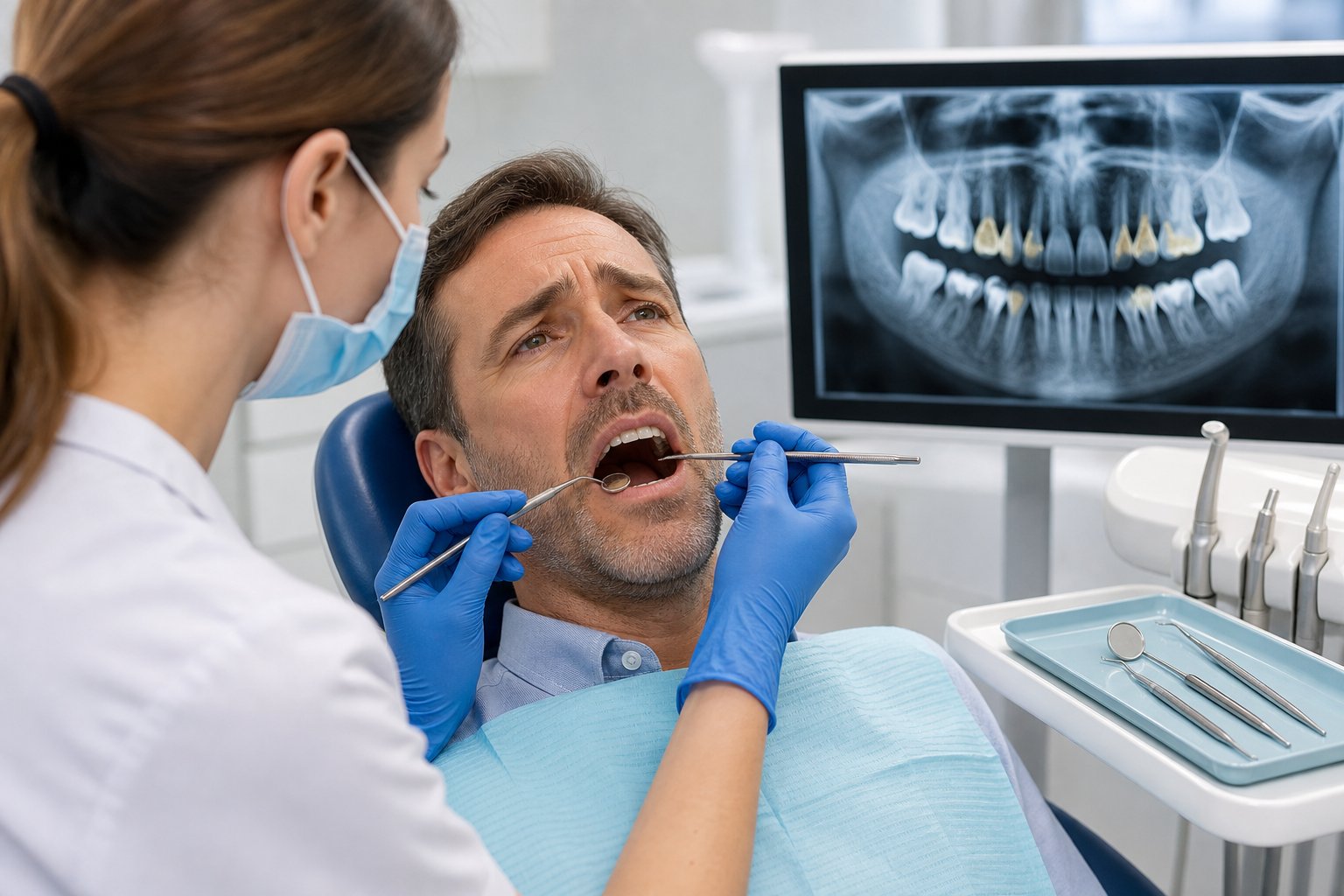
Maybe you’ve missed just one appointment. Maybe it’s been a few years. Either way, knowing what’s actually happening in your mouth can help you decide when to get back on track.
Key Takeaways
- Plaque hardens into tartar in just a few days. Only a dental professional can remove tartar, so regular cleanings are the only sure way to stop buildup.
- Skipping cleanings lets gum disease and cavities develop quietly, often getting expensive or even irreversible before you notice symptoms.
- Getting back to a regular cleaning schedule, even after a long break, always helps and stops further damage.
Why Professional Cleanings Matter
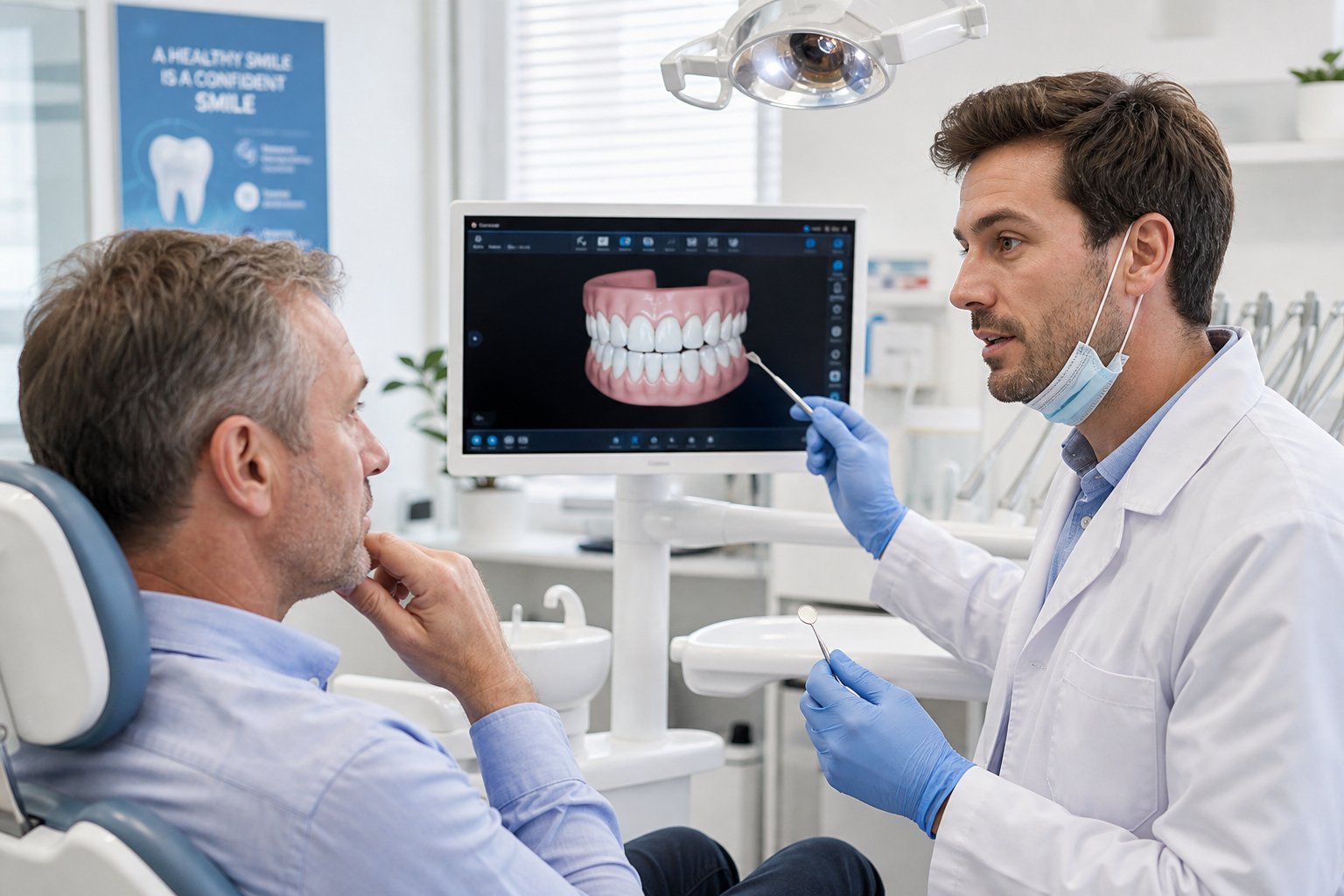
Professional cleanings reach places your toothbrush and floss just can’t. The exam during your cleaning also gives your dentist a chance to catch problems before they get serious.
What A Cleaning Removes That Brushing Cannot
Plaque is a soft, sticky film that shows up on your teeth every day. Brushing twice daily and flossing helps, but plaque hides below the gumline, between teeth, or behind your molars. Even with great home care, it’s easy to miss spots.
If plaque sits for about 24 to 72 hours, it starts to harden into tartar (calculus). Tartar acts like a shield, trapping bacteria against your gums. Brushing can’t remove it. Only a hygienist with special tools can get rid of it safely.
How Exams And Cleanings Work Together
Cleanings almost always come with a clinical exam, and that combo matters. Dentists use X-rays, probing, and a close look to find decay, gum changes, bone loss, or soft tissue problems you might not feel yet.
Early cavities don’t hurt and you can’t see them in a mirror, but a dentist can spot them on X-rays. Gingivitis doesn’t cause much discomfort at first but shows up as bleeding or deeper gum pockets during an exam. Spotting these things early keeps treatment simple.
Early Changes You May Notice
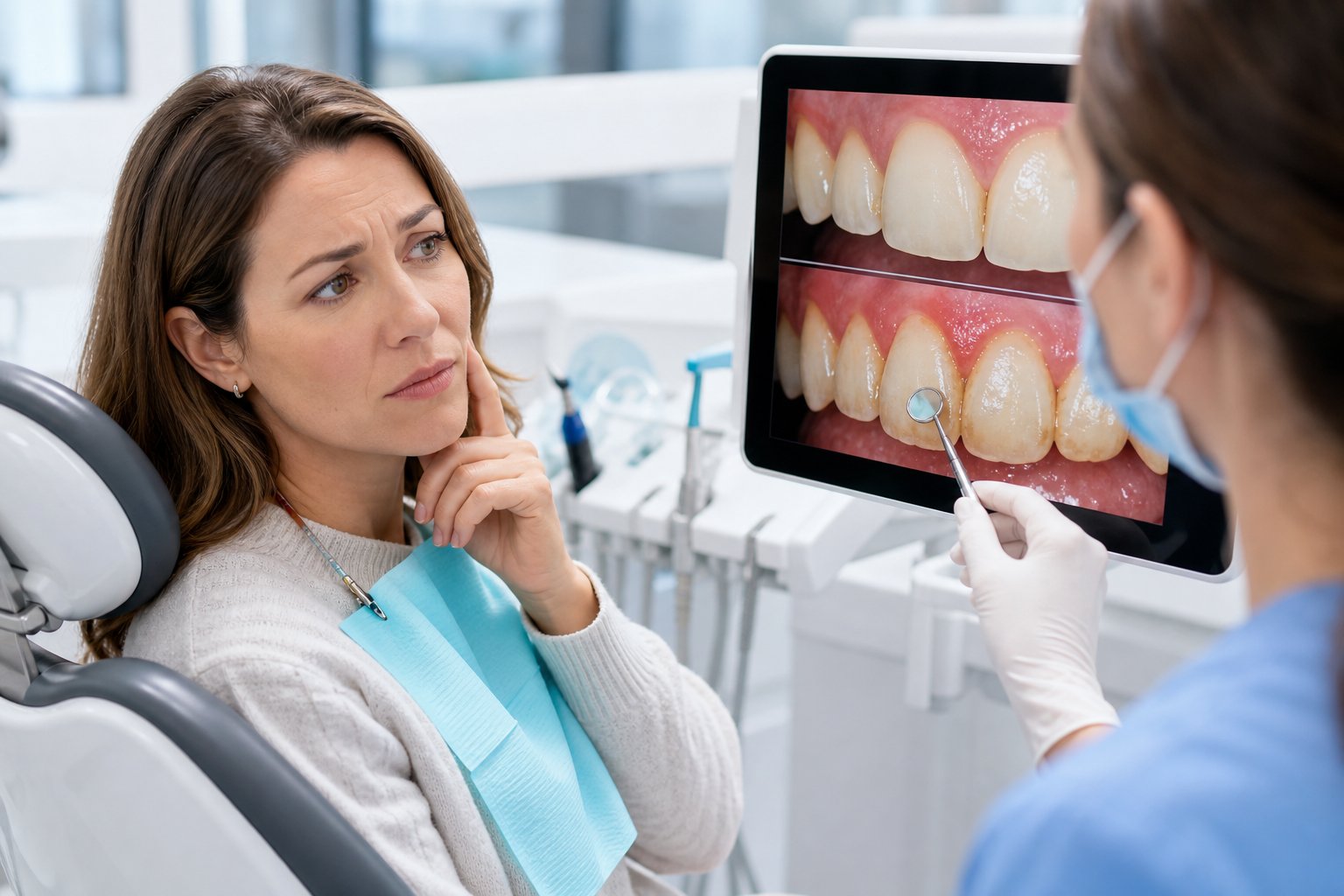
The first signs you’ve skipped cleanings too long often show up at home. Many people brush them off as minor. Tartar buildup, breath changes, and gum sensitivity are early signals to pay attention to.
Plaque Buildup And Tartar Formation
Within weeks of missing a cleaning, you might see tartar collecting along your gumline, especially behind your lower front teeth. It often looks yellowish or brown and feels hard. Brushing won’t remove it.
Plaque can start turning into tartar in as little as 24 to 72 hours. Once it’s there, it just keeps building up and gives bacteria more places to stick.
Bad Breath And Surface Staining
Persistent bad breath (halitosis) is a common sign of tartar and bacteria. The bacteria hiding in tartar and below your gums release smelly compounds. Brushing might mask it for a bit, but it won’t fix the cause.
Stains from coffee, tea, red wine, and food get worse without professional polishing. Research shows teeth lose their brightness as stains stick more easily to rough, tartar-covered surfaces.
Bleeding Gums And Mild Sensitivity
If your gums bleed when you brush or floss, it’s usually a sign of gum inflammation, not brushing too hard. Bacteria irritate your gums, making them bleed.
You might also notice mild sensitivity to cold drinks or sweets. This can happen as bacteria wear down your enamel. Early on, these symptoms can be reversed, but they won’t go away without a professional cleaning.
Longer-Term Oral Health Risks
If you keep skipping cleanings for a year or more, your mouth changes in ways that go beyond surface buildup. Decay starts, gum disease advances, and old dental work can wear out without anyone noticing.
Cavities That Develop Between Visits
Cavities form when bacteria eat sugar and make acid, which eats away at your enamel. Without regular cleanings, that acid keeps working. Decay often starts in the grooves of molars or between teeth where tartar builds up.
By the time you feel pain, a cavity has usually reached the dentin or even the pulp. What could have been a small filling at a routine visit might turn into a crown or root canal after years of neglect.
Gingivitis Progressing Toward Periodontal Disease
Gingivitis, the early stage of gum disease, can be reversed with a professional cleaning and better home care. If you don’t treat it, bacteria spread below the gumline and it turns into periodontitis.
Periodontitis destroys the tissue and bone that hold your teeth in place. Gingivitis can turn into periodontitis within 12 to 24 months of missed care. Bone loss from periodontitis can’t be reversed.
Wear, Cracks, And Failing Dental Work Going Unchecked
Crowns, fillings, and other dental work don’t last forever. At regular visits, your dentist checks for gaps, cracks, or decay under old work. If you skip visits, you might not know there’s a problem until something breaks or hurts.
Natural teeth can develop hairline cracks from grinding or biting hard. Dentists can catch these at exams, but you probably won’t notice until a tooth splits or starts to ache.
Effects Beyond Your Mouth
Oral health links to the rest of your body, and skipping cleanings means chronic bacteria exposure that can reach beyond your teeth and gums. The financial impact isn’t small either.
Pain, Infection, And Emergency Treatment
Advanced decay or untreated gum disease can lead to dental infections. A tooth abscess happens when bacteria reach the pulp and bone, causing pain and swelling. You’ll need immediate treatment like a root canal or extraction.
Dental emergencies are stressful and expensive, not to mention mostly avoidable. Many patients who need urgent care could have caught the problem at a routine cleaning much earlier.
Links Between Gum Inflammation And Overall Health
Researchers have found a strong connection between gum disease and your overall health. Chronic gum inflammation links to higher risks for heart disease, diabetes problems, and pregnancy issues.
When gums are inflamed and bleed, bacteria enter your bloodstream regularly. If you’re managing diabetes or heart disease, this adds more strain. Keeping gum disease in check with regular cleanings is one solid way to support your health.
Higher Costs From Delayed Care
Preventive cleanings are almost always the cheapest dental service. If you skip them, the treatments that follow, fillings, crowns, root canals, deep cleanings, extractions, cost much more.
A routine cleaning costs a fraction of even one filling. Over years and multiple teeth, the cost of skipping cleanings really adds up. Skipping appointments usually ends up costing more than just staying on top of them.
Who May Be More Vulnerable
Some people face faster or more serious problems from missed cleanings because of their biology, dental work, or health. Knowing if you’re in a higher-risk group can help you decide how often to schedule cleanings.
People Prone To Tartar And Gum Problems
Tartar buildup happens faster for some folks. If your saliva is more mineral-rich, tartar forms more quickly. If your dentist says you build up tartar fast or you’ve had gingivitis before, skipping cleanings puts you at higher risk.
A family or personal history of gum disease also means you could see problems progress more quickly. For these patients, twice-yearly or even quarterly cleanings might be better than the usual six-month schedule.
Patients With Crowns, Fillings, Implants, Or Root Canals
Restorations like crowns and fillings create edges where bacteria can hide. Crown margins, where the crown meets your tooth, can trap plaque and develop decay if not cleaned professionally.
Dental implants aren’t immune to infection either. Peri-implantitis, an inflammatory issue around implants, can cause bone loss if plaque builds up. Patients with a lot of dental work really do benefit from regular cleanings more than those with all-natural teeth.
Smokers, Dry Mouth Sufferers, And People With Medical Conditions
Smoking cuts blood flow to your gums, which hides the usual bleeding signs of gum disease and speeds up bone loss. Dry mouth, whether from meds, autoimmune problems, or radiation, removes saliva’s protection and makes decay more likely.
People managing diabetes, immune issues, or taking immunosuppressants heal more slowly and get infections more easily. For all these groups, the risks of skipping cleanings show up faster and hit harder.
When To Get Back On Track
No matter how long it’s been since your last cleaning, you can always start again. The gap between visits might change what your first appointment looks like, but it’s still worth going.
Signs It Is Time To Schedule Soon
Some symptoms mean you shouldn’t wait any longer to book an appointment. These include:
- Gums that bleed regularly when you brush or floss
- Persistent bad breath that doesn’t improve with brushing
You might also notice visible tartar building up along your gumline. Tooth sensitivity to temperature or sweets can pop up too.
If your teeth feel loose or you spot gum recession, that’s another warning sign. Pain, swelling, or a bad taste in your mouth shouldn’t be ignored.
Even if you don’t have symptoms, if it’s been over a year since your last cleaning, go ahead and schedule soon. Dental problems tend to develop quietly before you notice anything.
What To Expect After A Long Gap
When you return after a long break, your first appointment will probably take longer than a routine cleaning. Your dentist will update your X-rays and check gum pocket depths.
They’ll also figure out how much tartar has built up before the hygienist starts scaling. If there’s heavy tartar below the gumline, you’ll likely need a deeper cleaning called scaling and root planing instead of a standard cleaning.
How To Maintain Results Between Visits
A cleaning resets things, but what you do between appointments matters most for keeping those results. Brushing twice a day with fluoride toothpaste and flossing daily are the basics.
Staying hydrated helps reduce dry mouth. Limiting sugary snacks cuts down on acid exposure. Adding a fluoride mouth rinse can give your enamel extra protection.
Your hygienist might show you specific techniques or tools for your unique needs, like interdental brushes for wider spaces or a water flosser if you have bridges.
Frequently Asked Questions
How long can you go without a professional dental cleaning?
If you’re healthy, have low decay risk, and good home care, going a year between cleanings may not cause obvious damage right away. Still, it’s not risk-free.
After 12 to 18 months, most people build up enough tartar to increase their risk of gingivitis. The six-month standard exists because it helps prevent serious buildup from getting started.
What are the most common signs you are overdue for a dental cleaning?
Bleeding gums when you brush or floss is a big one. A persistent bad taste or bad breath can show up too.
You might notice yellow or brown deposits along the gumline, or your teeth start feeling rough or looking dull. Any of these are good reasons to call and book an appointment.
Can skipping cleanings lead to gum disease, and how quickly can it develop?
Yes, and honestly, it can happen faster than you’d think. Gingivitis, which is the earliest and reversible stage of gum disease, might develop in just a few weeks if you aren’t removing plaque well.
Clinical observations on disease progression suggest gingivitis can turn into irreversible periodontitis within 12 to 24 months if you keep skipping cleanings and don’t treat the problem.
Does missing cleanings increase the risk of cavities even if you brush and floss daily?
It really does. Brushing and flossing help a lot, but they can’t remove tartar or get to spots where plaque has hardened.
Tartar gives bacteria a place to hide and increases acid on your enamel. The checkup with a cleaning is the only way to catch early cavities before they turn into bigger issues.
Can tartar buildup be removed at home without a dental cleaning?
Nope. Once plaque hardens into tartar, it sticks to your teeth and you can’t brush, floss, or scrape it off safely at home.
Trying to remove tartar at home with sharp or makeshift tools can cut your gums and do more harm than good. Only a trained hygienist with professional tools can remove tartar safely and effectively.
How can delaying cleanings affect bad breath and tooth staining over time?
Tartar deposits grow over time, and as they do, bacteria living in those deposits keep releasing odor-causing gases. So, bad breath just gets worse.
Staining also gets more obvious. Tartar’s rough, porous surface grabs onto pigments from food and drinks much more than clean enamel ever would.
If you keep putting off cleanings, both problems can really pile up. Honestly, professional polishing usually works best for tackling both at once.
📞 Contact Kaufman Dentistry Today
Give us a call at (310) 838-7780 to schedule your appointment and take the first step towards a stunning smile.
You can find us at 10760 Washington Blvd., Culver City, CA 90232. We look forward to welcoming you to our practice and helping you achieve the smile of your dreams!