
Gum Grafting Explained: What To Expect And Why It Helps
Gum recession is one of those dental problems that sneaks up on you. Maybe your teeth look longer than before, or you feel a sharp twinge every time you drink something cold.
By the time most people realize what’s happening, the gum tissue has already pulled back enough to leave the tooth roots exposed and sensitive.
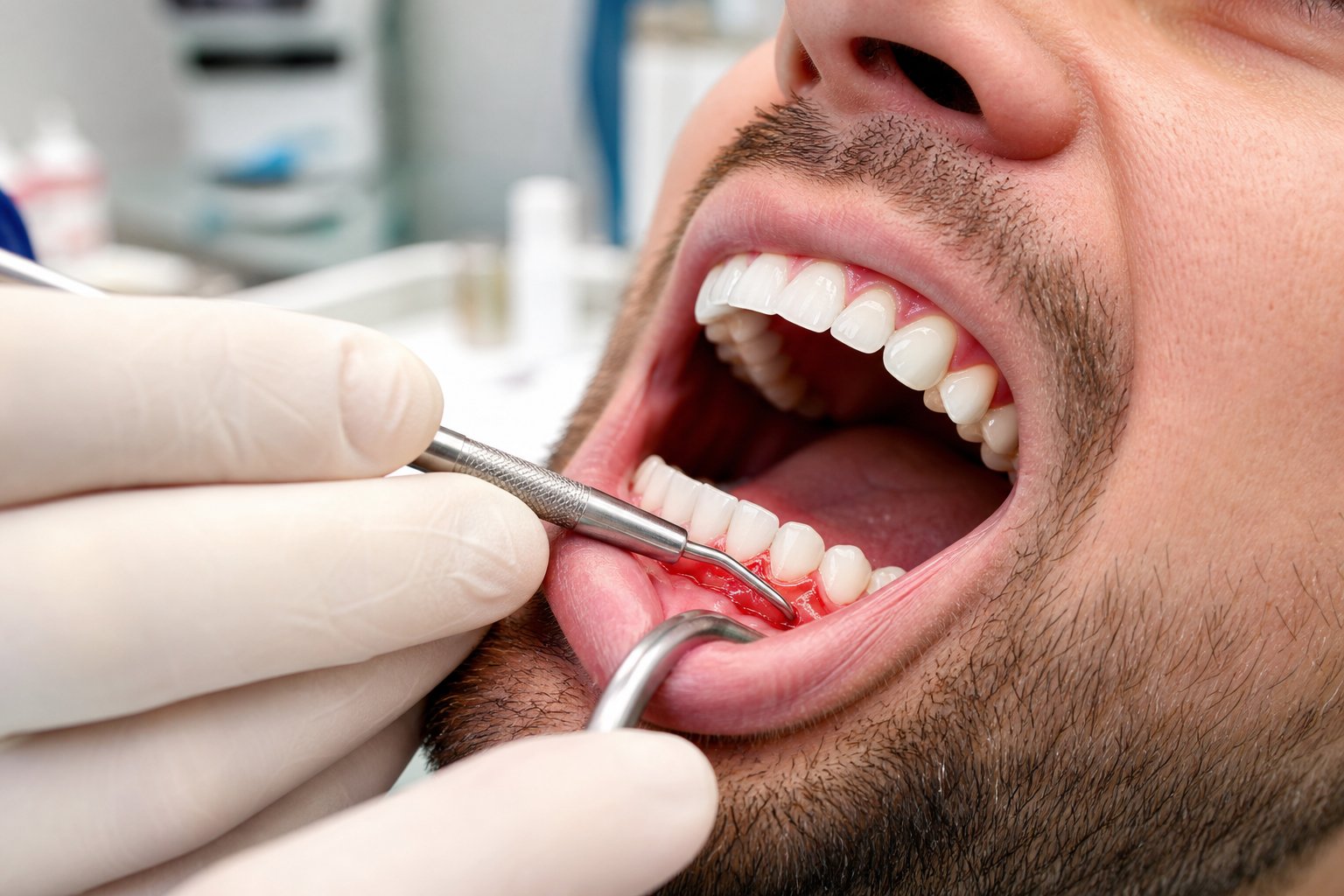
Gum grafting is a proven surgical procedure that covers exposed roots, reduces sensitivity, and helps protect your long-term oral health. Dentists move or transplant healthy gum tissue to spots where the gums have thinned or receded.
The procedure is more common than most people expect. If you take care of your gums afterward, the results usually last.
Here, you’ll find what causes receding gums, how the surgery works, what recovery looks like week by week, and what questions to ask before you commit to treatment.
Key Takeaways
- Gum recession exposes roots and can lead to sensitivity, decay, and bone loss if you don’t treat it.
- Gum graft surgery restores lost tissue. Recovery usually takes one to two weeks at first, but full healing can take several months.
- Choosing the right graft and following care instructions matter most for long-term results.
When A Gum Graft Is Recommended
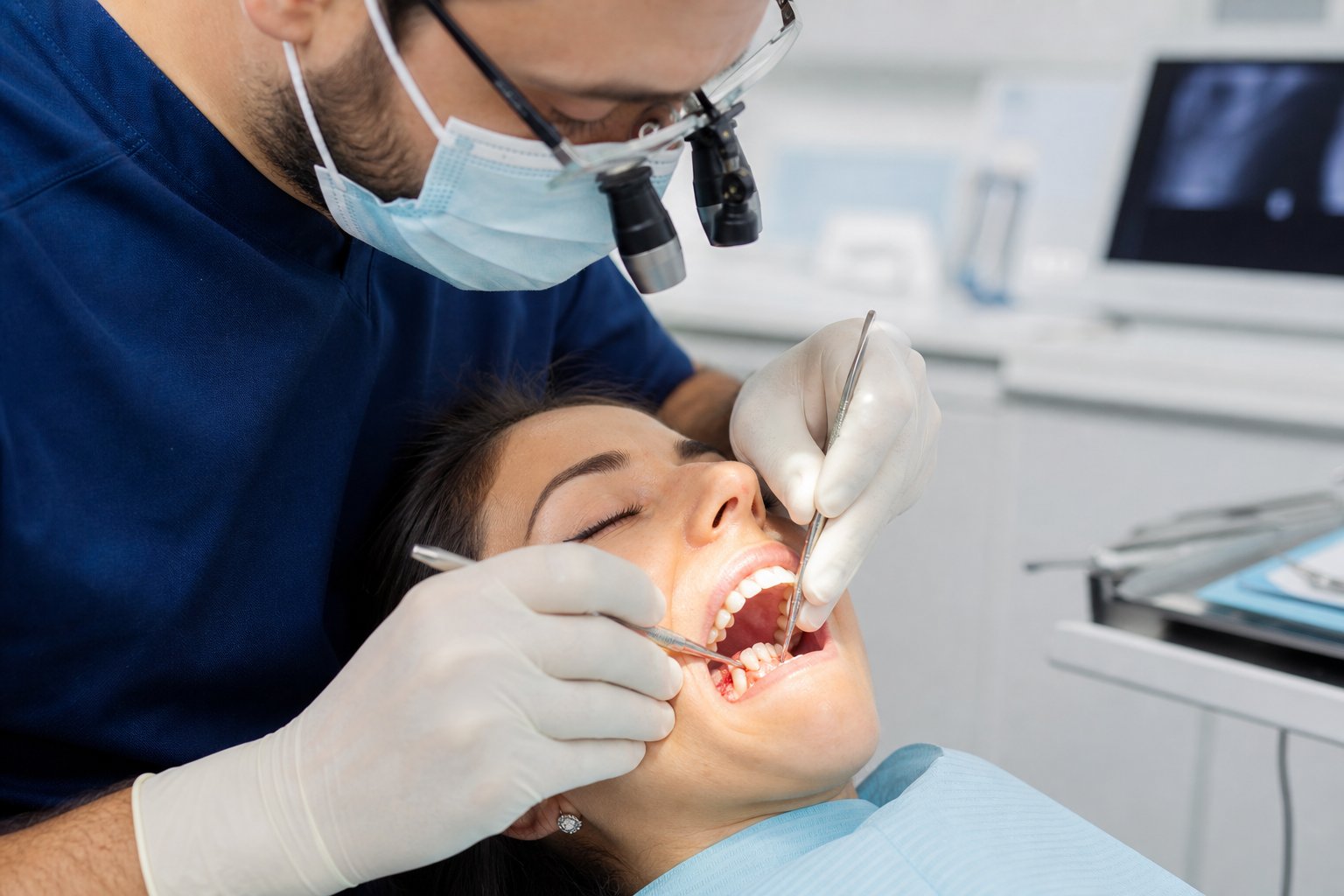
Dentists don’t recommend surgery for every case of gum recession. Some patients are monitored for months before a periodontist suggests a graft.
What really drives the decision? It’s the amount of root exposure, how fast things are changing, and what symptoms you notice.
How Recession Exposes Roots And Changes Gum Health
When your gum tissue pulls back, it uncovers the cementum layer of your tooth root. That layer is softer than enamel and much more likely to decay or erode.
Exposed roots lose the protection healthy gums provide. Bacteria can more easily reach the bone that holds your teeth.
Over time, unchecked recession can make teeth loose and eventually lead to tooth loss.
Common Causes Such As Gum Disease And Aggressive Brushing
Periodontal disease stands out as one of the main causes of gum recession. The infection breaks down the connection between gums and teeth, causing tissue to shrink back.
Aggressive brushing is another big culprit. Scrubbing too hard with a firm-bristled brush can slowly wear away your gums, even if you think you’re cleaning well.
Teeth grinding puts extra pressure on your gums and bone, which can make recession happen faster.
Signs That Call For A Periodontal Evaluation
Root sensitivity when you eat or drink something hot, cold, or sweet is an early warning sign. You might notice your teeth look longer, or that a notch has formed at the gumline.
If you see these changes at your dental checkups, or your dentist finds bone loss on X-rays, it’s smart to get a referral to a gum specialist. The earlier you get recession checked, the more options you’ll have.
How The Procedure Works
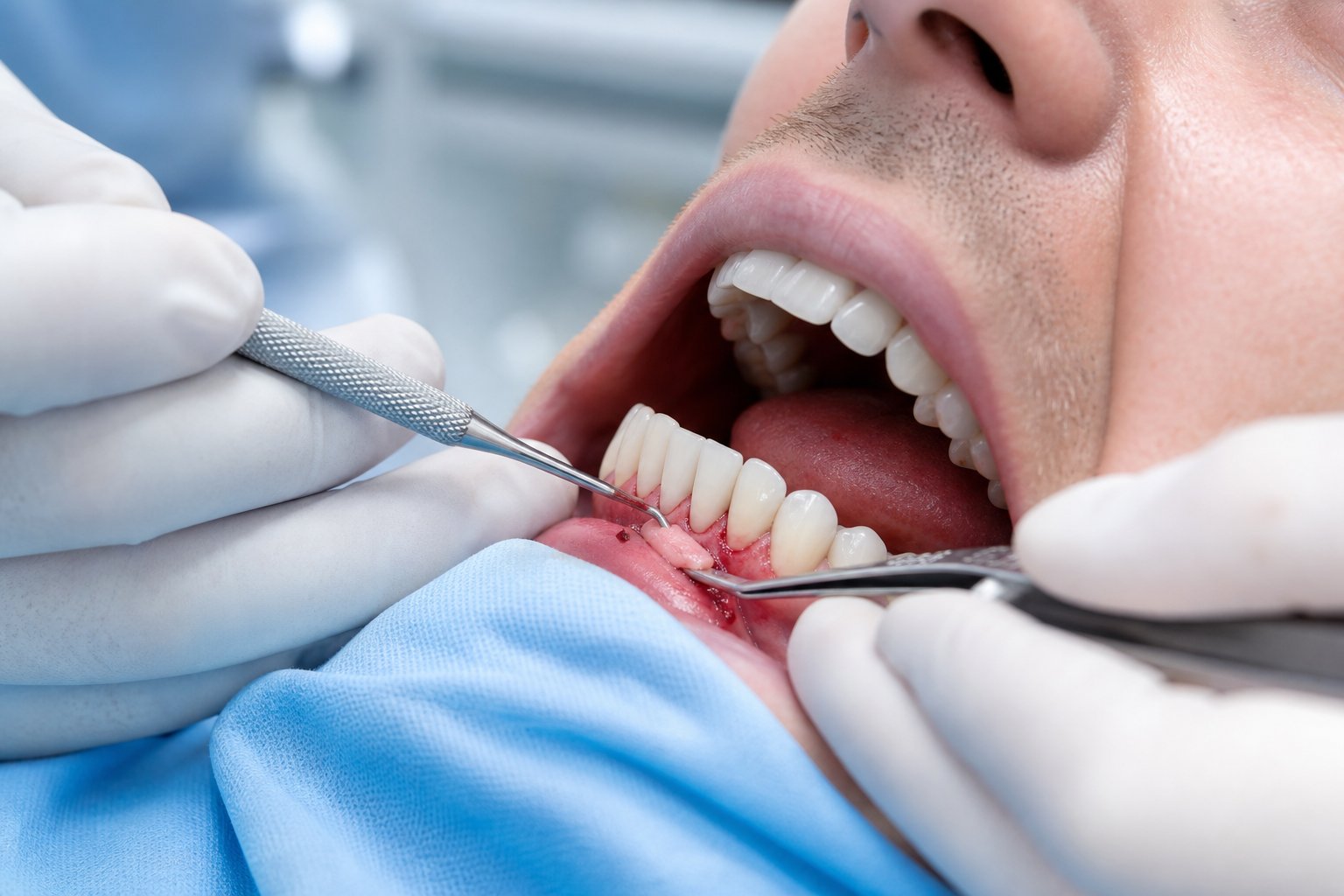
Gum graft surgery follows a step-by-step process, from planning to your last follow-up. Knowing what’s coming can make the whole thing feel less intimidating.
Exam Planning And The Role Of The Periodontist
A periodontist (that’s a gum specialist) leads the evaluation and plans the surgery. During your consult, they look at how much recession you have, measure pocket depths, and review any X-rays.
They’ll talk through which graft type fits your needs. This planning shapes the outcome, so it’s worth asking questions before you schedule anything.
What Happens During Surgery
On surgery day, your dentist numbs the area with local anesthesia. The periodontist creates a small incision at the recession site and prepares the area for the graft.
Depending on the graft type, they’ll harvest tissue from the palate or use a donor source. The graft gets positioned and secured with sutures. Sometimes, they’ll cover it with a periodontal dressing for extra protection.
Most gum graft surgeries take about one to two hours, but it depends on how many teeth need treatment.
Comfort Measures And Sedation Options
Local anesthesia is standard and usually keeps you comfortable. If you feel anxious, many periodontists offer nitrous oxide, oral sedation, or IV sedation.
Talk about your comfort level before the appointment so the team can adjust things for you. Most people manage post-surgery discomfort with over-the-counter pain meds or a short prescription.
Types Of Grafts And How Dentists Choose
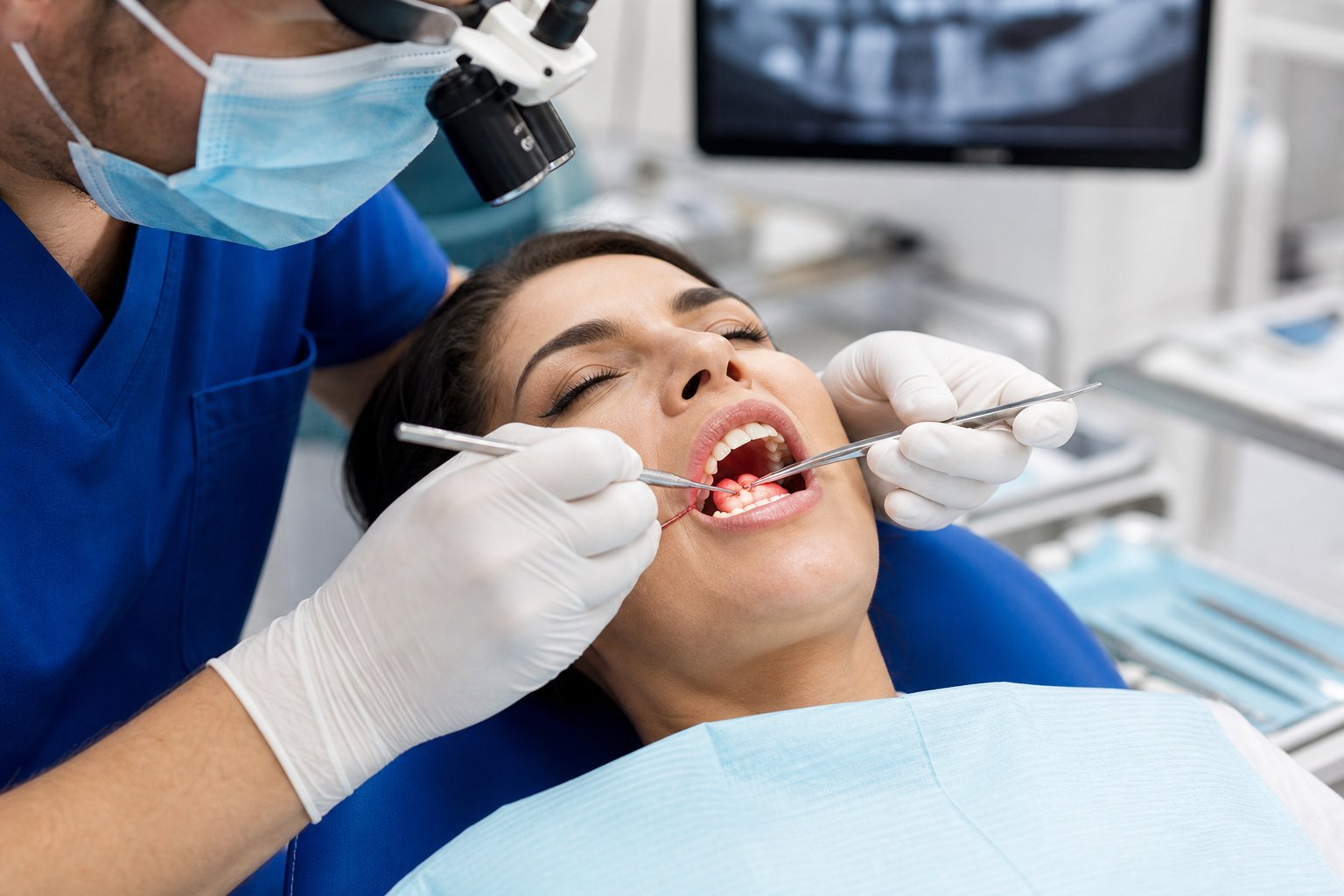
Your periodontist chooses the graft type based on how much tissue you need, how thick your gums are, and whether you have enough donor tissue at the palate.
Each technique has its strengths, and the best choice depends on your situation.
Connective Tissue Grafts For Root Coverage
The connective tissue graft (or CTG) is the most common way to cover exposed roots. The periodontist makes a small flap in the roof of your mouth, removes a bit of connective tissue from underneath, and then closes up the donor site.
They place the harvested tissue under a flap at the recession area and suture it in place. CTGs usually provide great root coverage and blend well with your existing gums.
Free Gingival And Pedicle Approaches
A free gingival graft (FGG) takes a thin strip of tissue from the surface of the palate instead of underneath. Dentists use this mostly to thicken gums, not cover roots.
The pedicle graft is different because it doesn’t use the palate. Instead, the periodontist moves gum tissue from a neighboring area to cover the recession. This only works if you have enough healthy gum nearby.
Donor Tissue Options Including Allograft Materials
If taking tissue from the palate isn’t ideal, donor tissue is a practical alternative. Allografts use processed human tissue from a tissue bank, and xenografts use animal-derived material.
AlloDerm is a common allograft product that skips the need for a second surgical site. These options can speed up healing at the palate, especially if you’re treating multiple teeth at once.
Recovery And Healing Timeline
The first two weeks really set the tone for your recovery. The graft needs to connect with your tissue and develop a blood supply, so you have to be patient and careful at first.
The First Few Days After Treatment
Swelling and mild bleeding are normal in the first 24 to 48 hours. Your mouth may feel tender, and the surgical sites might look white or slightly yellow as healing starts.
Keep your head elevated when you rest. Use a cold compress on your face in short bursts to help with swelling.
Try not to touch the graft site with your tongue or fingers. Even gentle pressure can mess with the tissue before it attaches.
Eating Brushing And Activity During Early Healing
Stick with soft foods for at least the first one to two weeks. Think yogurt, scrambled eggs, mashed potatoes, and smoothies without straws.
Skip anything crunchy, chewy, or spicy. Don’t brush near the graft until your periodontist says it’s okay, usually at your first follow-up.
Avoid strenuous activity for at least three to five days, since exercise can raise your blood pressure and lead to more bleeding.
What Progress Looks Like Over The Next Several Weeks
By the end of week one, your dentist often removes the sutures and the graft starts to attach. The area might still look puffy or a bit discolored, but that’s normal.
Between weeks two and four, swelling goes down and the tissue begins to blend in. Full healing and integration can take six months to a year.
Regular follow-up appointments let your periodontist track healing and catch any issues early.
Benefits Risks And Long-Term Results
Gum grafting has a solid track record, but it’s still surgery and comes with real risks as well as benefits. Knowing both sides helps you set realistic expectations.
How Grafting Reduces Sensitivity And Protects Teeth
Most people notice less root sensitivity right away. Covering exposed roots with healthy gum tissue creates a barrier between the root and things like temperature, pressure, and sugar.
The procedure also protects roots from decay, slows bone loss, and can save teeth that might otherwise need extraction or bridges. Treating recession early leads to much better oral health outcomes.
Possible Complications Including Graft Failure
Graft failure is rare, but it can happen. Usually, it’s because the graft doesn’t get enough blood supply in the first days, sometimes due to infection, trauma, or smoking.
Other possible complications include temporary numbness at the palate donor site, minor shrinkage of the graft over time, and incomplete root coverage. If you follow the post-surgical instructions carefully, especially in the first two weeks, you can lower these risks a lot.
Habits That Help Maintain Results
A successful graft means you still need to care for your gums. Switch to a soft-bristled toothbrush and use gentle brushing to prevent recession from coming back.
Regular dental checkups help your team watch your gum levels and catch changes early. If teeth grinding played a role, a custom nightguard is worth asking about.
Good oral hygiene habits are what make your results last.
Questions To Ask Before Moving Forward
Before you schedule gum graft surgery, it’s smart to get specific information from your periodontist. The right questions cover both the details and the practical stuff.
Whether Monitoring Or Surgery Makes More Sense
Not all recession needs surgery right away. Some cases are stable enough to watch with regular checkups and better oral hygiene.
Ask your periodontist how much recession you have, if it’s getting worse, and what the risks are if you wait six to twelve months. Getting clear answers helps you decide if you should act now or wait.
How To Compare Specialist Recommendations
If you’re unsure about a recommendation, getting a second opinion from another gum specialist is always reasonable. Different periodontists might prefer different techniques, and knowing why someone suggests a certain approach gives you more confidence.
Ask each specialist which graft type they plan to use and why it fits your situation better than the alternatives.
What To Clarify About Costs Timing And Follow-Up
Gum graft surgery costs can really vary. It depends on how many teeth your dentist treats, the technique they use, and whether your insurance helps out.
Ask your provider for an itemized estimate before you agree to anything. Double check what is actually included in the surgical fee and what might show up as a separate bill later.
Find out how many follow-up appointments you should expect in the months after surgery. Ask if those visits are already part of the cost.
If you clarify the whole timeline before you commit, you can plan your schedule and budget with fewer surprises.
Frequently Asked Questions
When is it too late to get a gum graft?
Honestly, it is almost never truly too late for a gum graft. The outcome really depends on how much bone and root structure you still have.
If you have severe bone loss, that can limit how much root coverage your periodontist can achieve. The sooner you get checked, the more predictable the results usually are.
What happens during a gum graft procedure?
Your dentist will numb the area with local anesthesia. The periodontist prepares the recession site so it can accept the new tissue.
They take graft material either from your palate or from a donor source. Then they suture it into place at the affected area.
Most procedures last about one to two hours. Usually, you only need a single visit.
How long does gum graft recovery typically take?
Initial healing usually takes about one to two weeks. Swelling and soreness should start to fade during that time.
Most people can eat normally and get back to daily activities within two to four weeks. Full tissue maturation, when the graft blends in with your gum, can take anywhere from six to twelve months.
Is gum graft surgery painful, and how is discomfort managed?
You should not feel pain during the procedure because the local anesthesia keeps the area numb. After surgery, some soreness is common for a few days.
Most people manage discomfort with over-the-counter pain relievers or a short prescription if needed. Patients usually describe the soreness as manageable, not severe.
What are the most important do’s and don’ts after a gum graft?
Eat soft foods and keep your head elevated when you rest. Make sure you go to all your follow-up appointments.
Do not touch the graft site. Skip using a straw, avoid hard or crunchy foods, and hold off on strenuous exercise for the first week.
Following your periodontist’s instructions really matters for proper healing.
How much does gum graft surgery usually cost?
The cost really depends on a few things, like how many teeth need treatment, what kind of graft your dentist recommends, and where you live.
For just one tooth, you might pay a few hundred dollars, or it could climb to over a thousand out of pocket. Sometimes insurance will help, but only if your dentist says the surgery is medically necessary.
It’s smart to ask for a detailed estimate before you decide to go ahead. That way, you know what you’re getting into.
📞 Contact Kaufman Dentistry Today
Give us a call at (310) 838-7780 to schedule your appointment and take the first step towards a stunning smile.
You can find us at 10760 Washington Blvd., Culver City, CA 90232. We look forward to welcoming you to our practice and helping you achieve the smile of your dreams!