
What Causes Teeth to Crack?
Tooth cracks show up more often than most people think, and they don’t always make themselves obvious with sharp, obvious pain. Sometimes, a crack just sits there, slowly getting worse over months or even years before you realize something’s wrong.
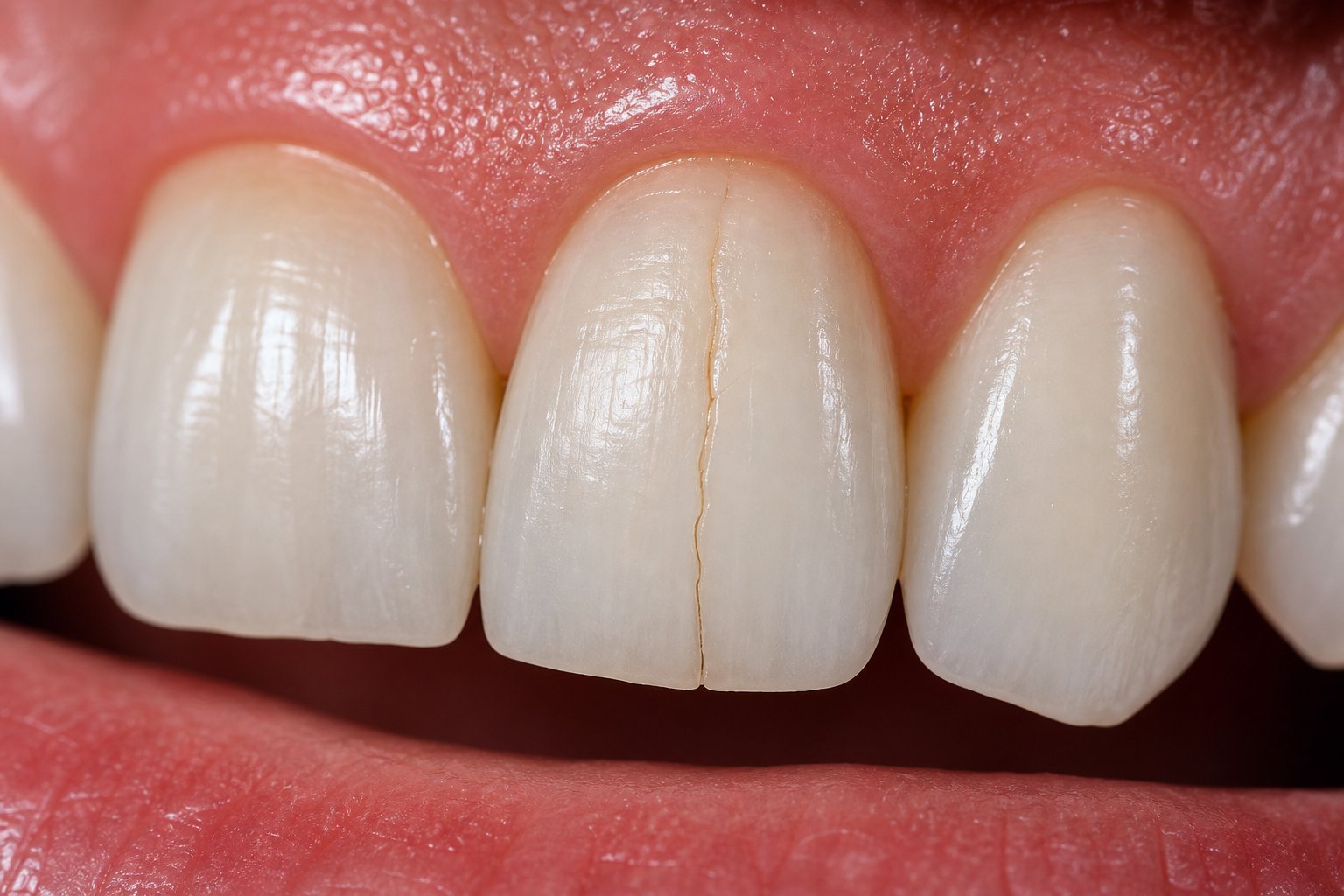
If you know what causes teeth to crack, you can actually do a lot to protect your smile before things get out of hand. Cracks range from those harmless surface lines to deep fractures that can threaten the tooth’s root and nerve. What happens next really depends on what caused the crack, how long it’s been there, and whether you get it treated.
Let’s look at the most common triggers, some symptoms to keep an eye out for, the different types of tooth fractures, and what treatment might look like depending on how bad things have gotten.
Key Takeaways
-
Teeth usually crack from repeated stress like grinding, hard food, or a weakened structure, not just from one big accident.
-
Symptoms can be subtle or confusing, so you really need a dentist to figure out what’s going on.
-
Treatment can be as simple as bonding or as involved as a root canal or crown, depending on how deep the crack is.
The Most Common Reasons Teeth Crack
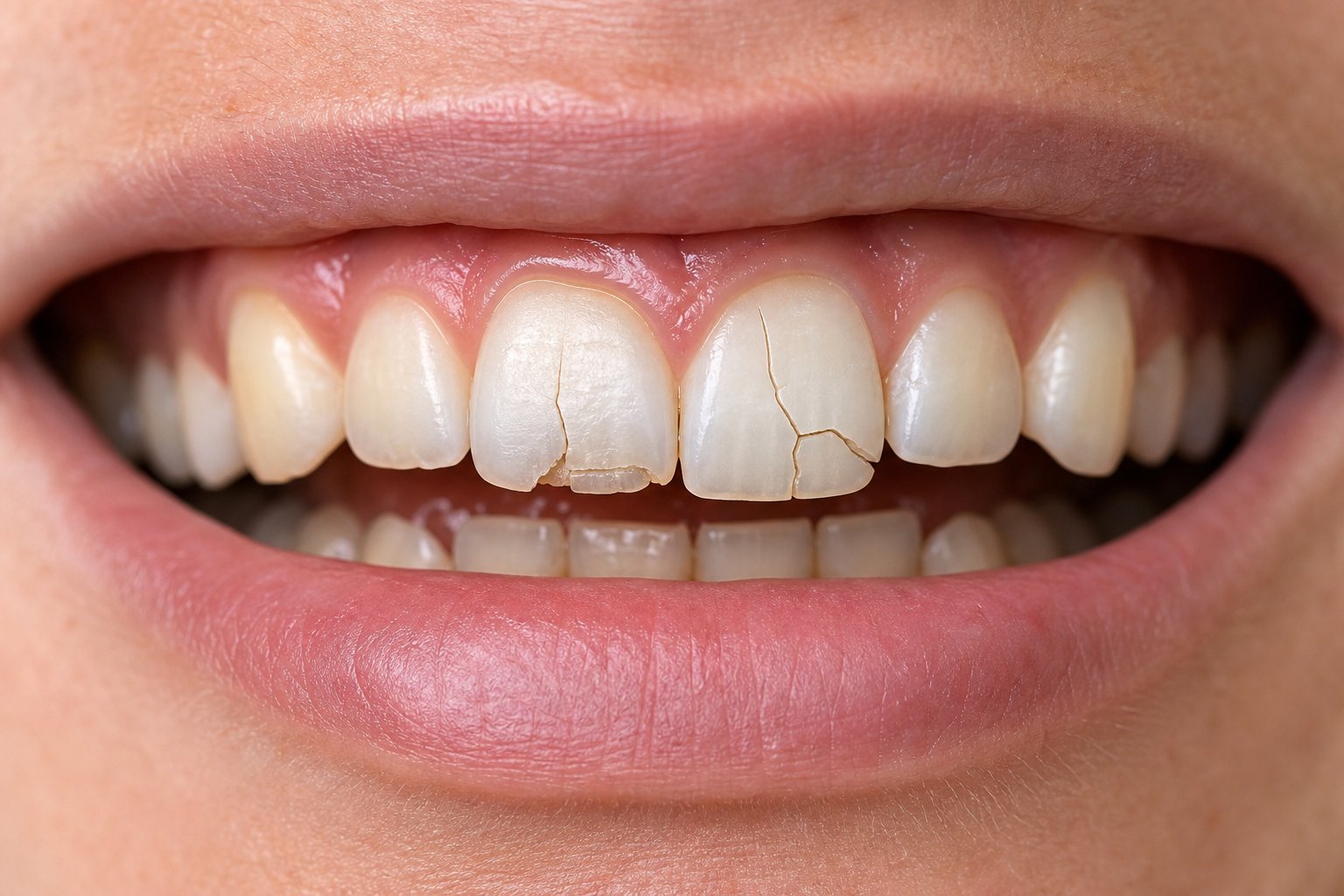
Stress is the main reason teeth crack, and that pressure builds up in more ways than people expect. Grinding, eating habits, old fillings, acid exposure, and bite problems all chip away at tooth enamel until something finally gives.
Teeth Grinding, Bruxism, And Clenching
Bruxism means you grind or clench your teeth, and it’s honestly one of the top reasons people crack their teeth. The force from grinding can go way beyond normal chewing, and it often happens at night when you have no idea it’s going on.
Over time, this repeated pressure causes tiny fractures in the enamel that get worse the longer it goes on. Most people don’t even know they grind until their dentist points out the wear.
Chewing Ice, Hard Foods, And Hard Objects
Biting down on ice cubes, hard candy, popcorn kernels, or even pen caps puts a lot of force on your teeth all at once. Enamel is tough, but it’s not built for that kind of repeated impact.
Chewing ice is especially risky. The combination of the hardness and the cold makes enamel contract quickly, which makes it more likely to crack right then and there.
Large Fillings, Old Fillings, And Weakened Tooth Structure
When a tooth has a big filling, there’s just less natural tooth holding everything together. The thinner walls are more likely to crack under pressure.
Old amalgam fillings can expand a little as they age, pushing outward and stressing the surrounding enamel until it cracks. Teeth that have had root canals usually end up more brittle, too.
Acid Erosion, Dry Mouth, And Enamel Wear
Acid from food, drinks, or stomach reflux slowly wears away the outer enamel layer. When enamel gets thin, your teeth lose protection against everyday chewing.
Dry mouth makes things worse. Saliva helps neutralize acid and rebuild enamel. Without enough saliva, acid erosion speeds up, and your teeth get weaker.
Bite Problems, Age, And Everyday Stress On Teeth
If your bite is off, certain teeth take more pressure than they should. Over time, this uneven force can wear down enamel and cause cracks in specific places.
Age plays a role too. Years of chewing, hot and cold foods, and daily use slowly wear out tooth structure, so older teeth crack more easily—even without a clear cause.
How To Tell If A Crack May Be The Problem
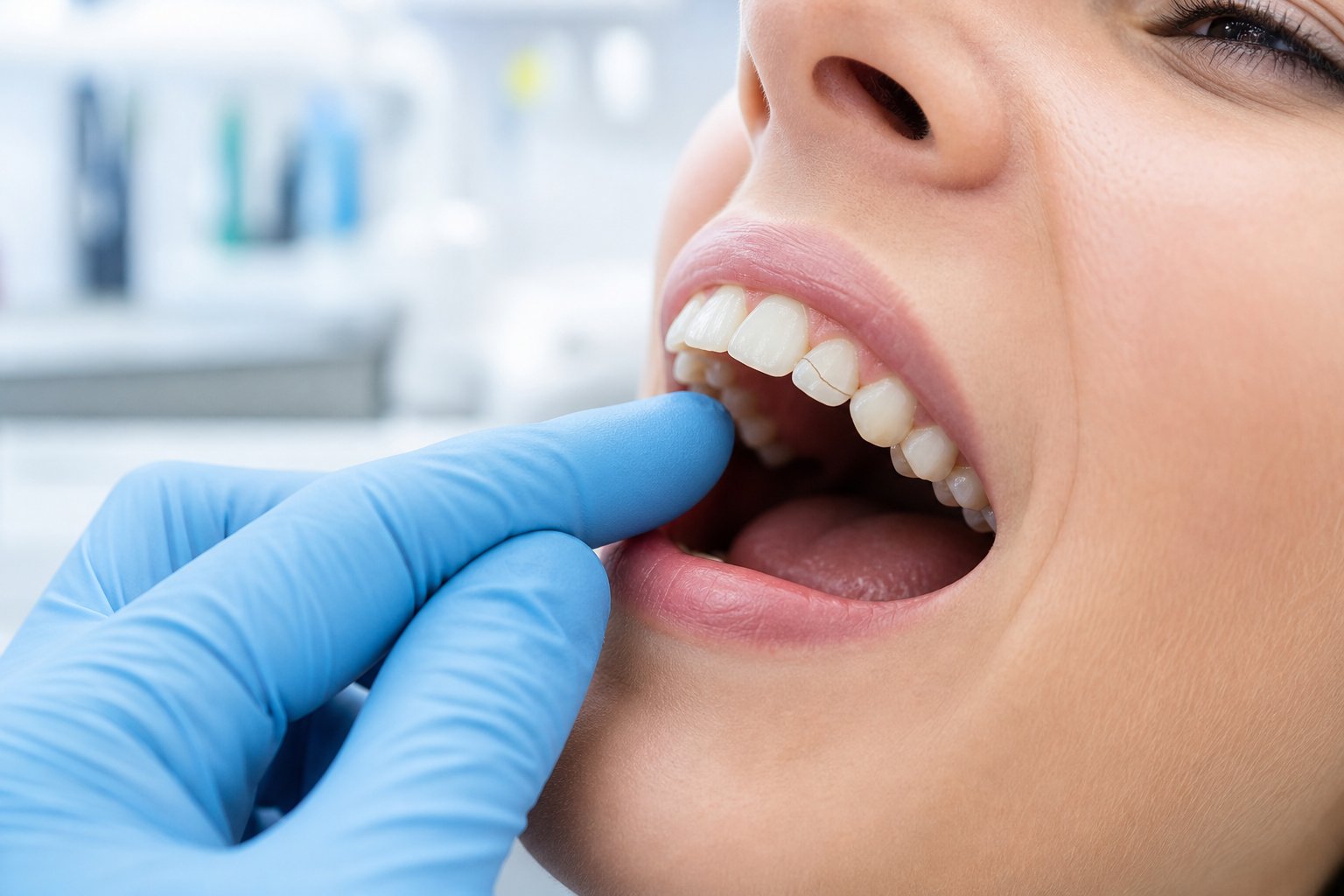
Cracked tooth symptoms can be all over the place. Sometimes pain comes and goes, sensitivity might feel like a cavity, and honestly, some cracks don’t cause any symptoms until things get pretty bad.
Pain When Biting And Intermittent Symptoms
One of the main giveaways is a sharp, sudden pain when you bite down, which often goes away as soon as you stop biting. The crack flexes open under pressure and closes again when you let go.
This on-and-off pain makes cracked teeth tricky. You might go days with no pain at all, which can lead you to put off seeing a dentist.
Tooth Sensitivity To Hot And Cold
A cracked tooth lets hot or cold reach the nerve much more easily. Maybe you notice a lingering ache after something cold or a quick sting from hot coffee.
This kind of sensitivity sticks around longer than the usual twinge. If the pain lasts more than a few seconds after the temperature’s gone, it’s time to mention it to your dentist.
Visible Lines Versus Harmless Craze Lines
Craze lines are those tiny, surface-level lines in the enamel. They look like cracks but don’t go deep and don’t hurt. Most adults have them, and they’re nothing to worry about.
A real crack goes deeper, sometimes reaching the dentin or the pulp. The difference isn’t always obvious, so if you spot any new line, it’s smart to get it checked by a professional.
When A Cracked Tooth Can Mimic Other Dental Problems
A cracked tooth can feel just like a cavity, sinus trouble, or even gum disease. The pain might be vague, or you might just feel pressure or soreness instead of a sharp pain.
That’s why cracked tooth syndrome is so tough to diagnose without a dentist’s help. If other treatments haven’t fixed the problem, a crack could be the real reason.
Different Crack Patterns And Why They Matter
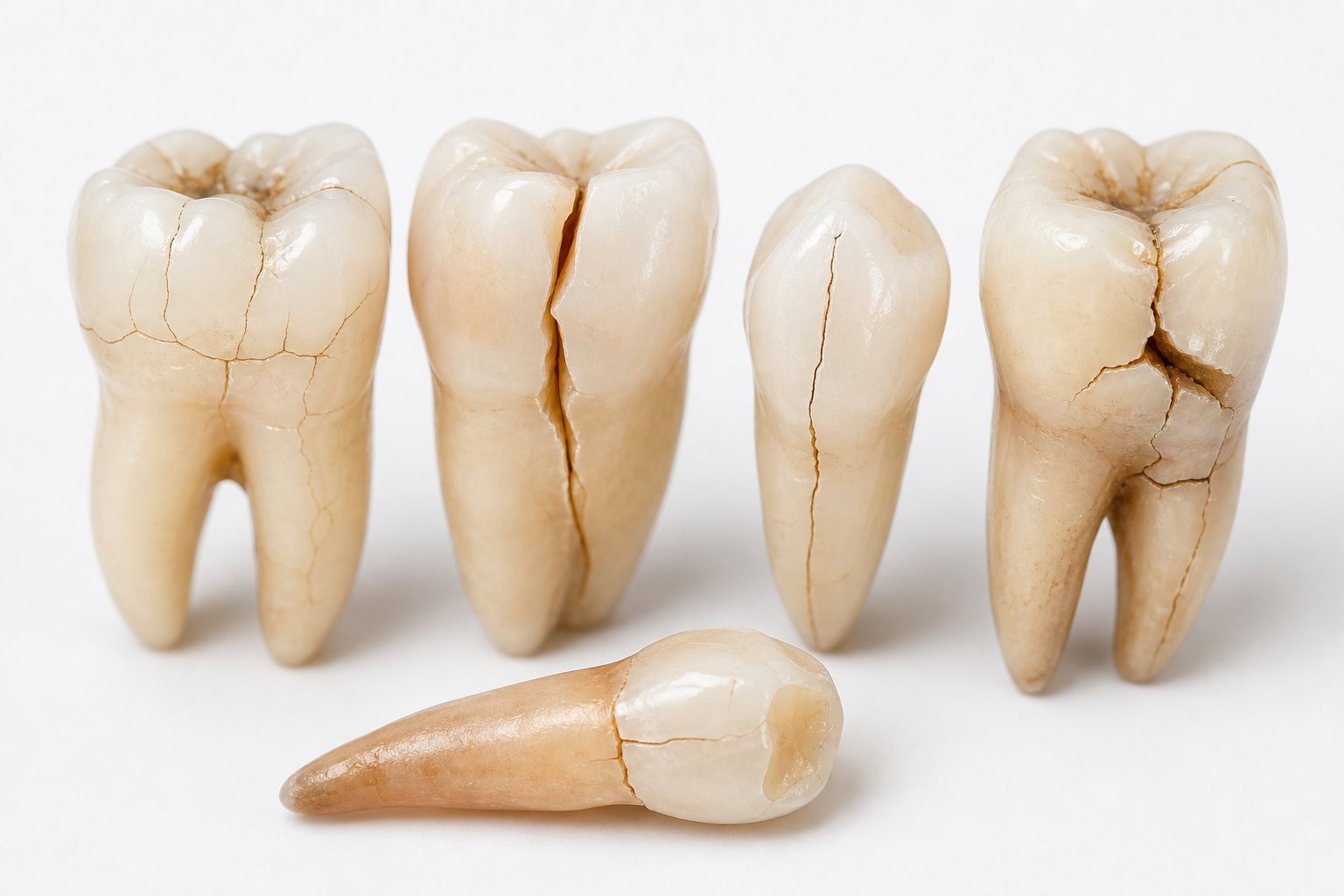
Cracked teeth aren’t all the same. The type of fracture decides what treatment you’ll need and what the long-term outlook is. Some cracks are easy to fix, while others mean you could lose the tooth.
Fractured Cusp
A fractured cusp happens when a chunk of the chewing surface breaks off, usually near a filling. This kind of crack usually doesn’t reach the pulp, so nerve pain isn’t as likely.
Treatment is usually simple. Depending on how much broke off, a crown or onlay can repair the tooth. If you catch it early, you’ll get the best results.
Cracked Tooth
This is the classic “cracked tooth” most people picture. The crack starts at the top and runs down toward the root. Sometimes it reaches the pulp, sometimes it doesn’t.
If it gets to the pulp, you’ll probably need a root canal and a crown. If you catch it before that, a crown alone can usually stabilize things and keep the crack from spreading.
Split Tooth
A split tooth means the crack has gone all the way and the tooth has separated into two pieces. At this point, saving the whole tooth usually isn’t possible.
Depending on where the split is, you might be able to keep part of the tooth, but extraction is often necessary. This is why you want to treat cracks early.
Vertical Root Fracture
This crack starts at the root and moves upward, and you might not notice symptoms until there’s an infection. These are tough to spot early.
Vertical root fractures happen mostly in teeth that have had root canals, since those teeth lose some flexibility. Extraction is usually needed, and then you’ll look at an implant or another replacement.
How Dentists Confirm The Diagnosis
Figuring out if you have a cracked tooth takes more than just looking. Many cracks are invisible to the eye, and the symptoms can overlap with other things. Dentists use a mix of clinical tests to find and figure out the crack.
Clinical Exam, Bite Test, And Symptom History
Your dentist will start by asking about your symptoms—when the pain happens, what sets it off, and how long it lasts. That info helps narrow things down.
They’ll often do a bite test, asking you to bite on a stick or pad on each tooth. If you feel a sharp pain when you bite or let go, that’s a strong clue.
Transillumination And Imaging
Transillumination means shining a bright light through the tooth. Cracks block the light, so they show up as dark lines that you wouldn’t see otherwise.
Dental X-rays can sometimes show bone loss or infection around a crack, but they often miss the crack itself, especially early on. In tough cases, advanced imaging can give more detail about the crack’s depth and direction.
Why Some Cracks Are Hard To See Early
Early cracks are usually tiny and don’t show up on regular images. You might not have symptoms, or they’re so mild that even your dentist thinks it’s something else.
Regular dental checkups really help here. A dentist who knows your teeth and keeps an eye on subtle changes can spot a crack before it gets out of hand.
Treatment Options Based On Severity
The right treatment depends on how deep the crack goes and whether it’s reached the nerve or root. If you catch it early, you’ll usually have simpler and less expensive options.
Dental Bonding For Small Or Surface-Level Damage
For minor cracks that haven’t reached the dentin, dental bonding can seal things up and keep bacteria out. The dentist applies a tooth-colored resin and hardens it with a special light.
Bonding is quick and conservative. It works best for small chips and shallow cracks where the tooth is still mostly strong.
Dental Crown To Stabilize And Protect The Tooth
A dental crown covers the whole visible part of the tooth, holding everything together and stopping the crack from getting worse. This is the most common fix for cracked teeth that hurt but haven’t hit the pulp yet.
At places like Kaufman Dentistry in Culver City, they use same-day crown technology, so you can get a crown made and placed in just one visit.
Root Canal When The Nerve Is Involved
If the crack goes into the pulp, the nerve can get inflamed or infected. A root canal removes that tissue, stops the pain, and gets the tooth ready for a crown.
A lot of people dread root canals, but with proper anesthesia, it’s usually no worse than getting a filling. Skipping it when you need it can lead to worse pain and losing the tooth.
Extraction And Replacement With A Dental Implant Or Partial Denture
If the crack splits the tooth or goes below the bone, extraction is necessary. Leaving a tooth that can’t be fixed puts you at risk for infection that can spread.
After extraction, a dental implant is the closest thing to a natural tooth. A partial denture is another option. Your dentist will help you choose what’s best for you.
What To Do Next And How To Lower Future Risk
If you think you have a cracked tooth, acting quickly helps save the tooth and keeps your mouth healthy. There are also some simple things you can do to lower your chances of cracks in the future.
Short-Term Relief Before Your Appointment
If you’re hurting before your dental visit, rinse your mouth with warm salt water to keep things clean. Try not to chew on that side and avoid very hot, cold, or hard foods.
Over-the-counter pain relievers can help. If you have swelling, a cold compress on your cheek for about 10 or 15 minutes can bring it down.
When To Seek Prompt Dental Care
Don’t wait if you have severe pain, swelling, a loose tooth, or a fever with tooth pain. These could mean an infection that needs attention fast.
Even if your symptoms aren’t extreme, any pain when biting, lingering sensitivity, or a visible crack is reason enough to call your dentist soon. Cracks don’t heal themselves, and waiting just makes things worse.
Custom Night Guard And Other Prevention Strategies
If you grind your teeth, a custom night guard might be one of the best ways to protect your enamel. It cushions your teeth against grinding and helps prevent those little micro-fractures that can add up over time.
Your dentist can make a custom guard that fits much better and lasts longer than anything you’ll find over the counter. It’s not a huge investment, and honestly, it could save you from much more expensive repairs later.
Daily Habits That Help Protect Teeth
Try not to chew ice, hard candy, or other tough objects. If you drink acidic stuff, using a straw can help keep it from hitting your enamel directly.
Stay hydrated because saliva helps neutralize acids. That’s something people don’t always think about.
Regular brushing, flossing, and visiting your dentist for checkups let them catch early signs of wear or cracks before things get worse. Keeping up with the basics is honestly the best way to avoid cracked teeth becoming a headache again and again.
Frequently Asked Questions
What are the most common reasons teeth develop cracks over time?
Grinding, clenching, and biting hard foods like ice or hard candy crack teeth most often. Large or old fillings can weaken the structure too.
Acid erosion, dry mouth, misaligned bites, and just getting older all play a part in wearing down enamel and causing fractures.
What is the difference between harmless craze lines and a true tooth crack?
Craze lines are just tiny marks in the outer enamel. They don’t hurt and you don’t need to treat them.
A real crack goes deeper, sometimes into the dentin or even the pulp. That can cause pain or sensitivity, especially when you bite down, and it usually needs a dentist to take a closer look.
Why can a tooth crack in half without causing pain?
Some cracks grow slowly and don’t hit the nerve right away, so you may not feel anything at first. A vertical root fracture can sneak up on you and go unnoticed for quite a while.
That’s one reason why seeing your dentist regularly matters—they can spot these things before they turn into bigger problems.
Can grinding or clenching at night lead to hairline cracks in teeth?
Yes, definitely. Bruxism puts a lot of pressure on your teeth while you sleep, and that stress can slowly create micro-fractures in the enamel.
As time goes on, these tiny cracks can get deeper, especially if you already have fillings or restorations that leave the tooth walls thinner than usual.
How do dentists decide whether a cracked tooth needs a crown, root canal, or extraction?
Dentists look at how deep the crack goes and whether it reaches the pulp or root. If the crack stays in the crown area, they usually recommend just a crown.
If the nerve gets involved, you’ll probably need a root canal first. When the crack runs below the bone or splits the tooth all the way, extraction is usually the only option left.
Is it possible to repair or stabilize a cracked tooth without going to the dentist?
Honestly, there just isn’t a good way to fix a real tooth crack at home. You might find some over-the-counter products that help with pain for a bit, but they can’t actually keep the crack from getting worse.
If you skip professional care, the crack usually spreads. That can end up causing an infection, nerve problems, or even losing the whole tooth.
📞 Contact Kaufman Dentistry Today
Give us a call at (310) 838-7780 to schedule your appointment and take the first step towards a stunning smile.
You can find us at 10760 Washington Blvd., Culver City, CA 90232. We look forward to welcoming you to our practice and helping you achieve the smile of your dreams!