
Are Veneers Reversible?
Veneers are one of the fastest ways to change how a smile looks, which is exactly why people want to know what happens if they change their mind later. It is a fair question to ask before starting, and the honest answer is more nuanced than most advertising suggests.
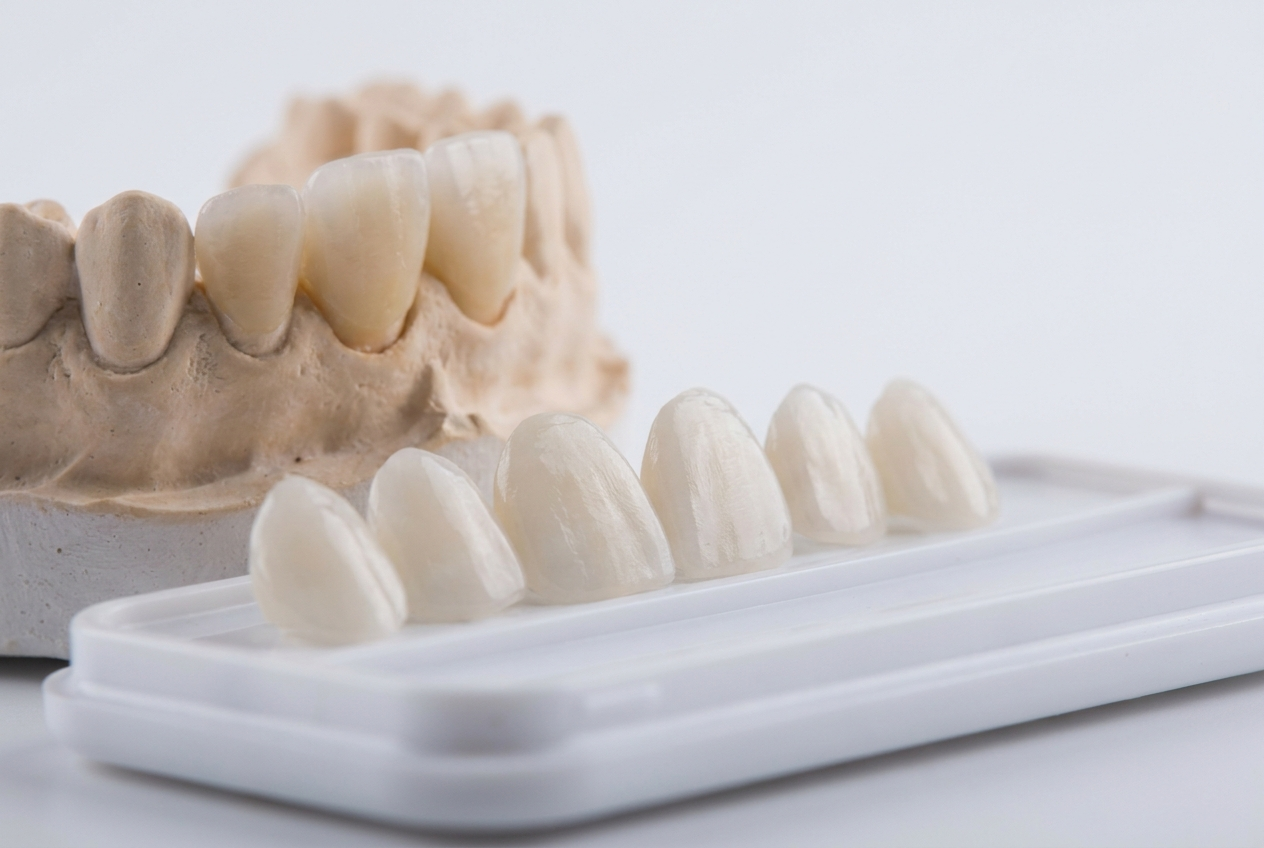
Traditional porcelain veneers are not reversible, because placing them requires removing a thin layer of enamel that never grows back. Some alternatives, including dental bonding and certain no-prep veneers, are far easier to undo.
Knowing which category you are choosing, before the first appointment, is the part that matters most.
Here is what makes standard veneers permanent, which options genuinely are reversible, and the questions worth asking your dentist first.
Key Takeaways
-
Standard porcelain veneers permanently change the tooth underneath, so those teeth will always need some form of covering.
-
No-prep veneers and composite bonding remove little or no enamel, and are sometimes reversible.
-
A trial smile lets you preview the result before anything permanent happens, and it is worth asking for.
Why Traditional Veneers Are Permanent
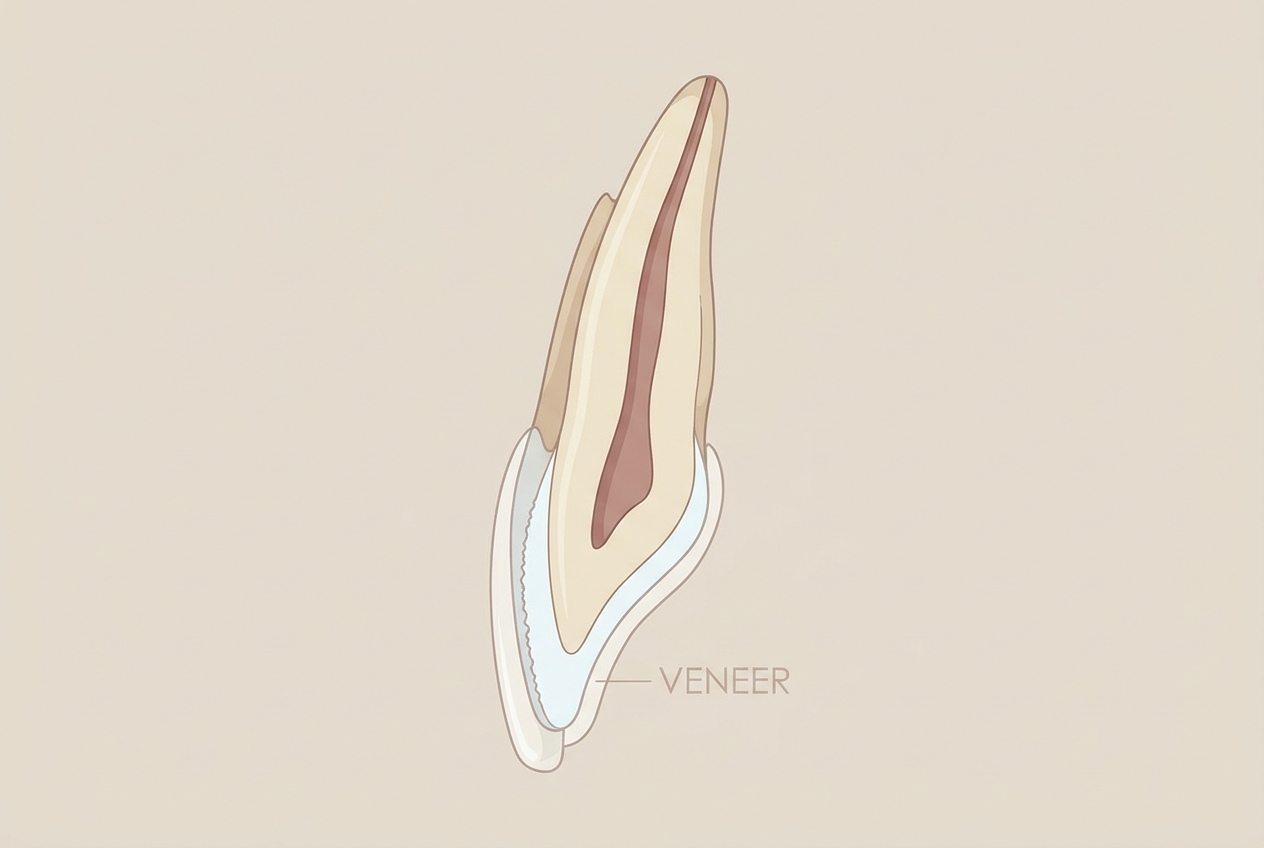
The permanence comes down to a single step in the process, and it happens early.
Enamel Removal Is The Deciding Factor
A porcelain veneer is a thin shell bonded to the front of a tooth. To make room for it, so the finished tooth does not look bulky, your dentist removes roughly half a millimeter of enamel from the front surface.
Enamel is the hardest substance in the body, and your body cannot regenerate it. Once that layer is gone, it is gone for good, which is also why enamel erosion matters so much in general.
What Permanent Actually Means For You
Permanent does not mean the veneer itself lasts forever. It means the tooth underneath will always need to be covered by something.
When a veneer eventually wears out or chips, it is replaced with a new veneer or, if more structure has been lost, a crown. What you cannot do is take the veneer off and return to your original teeth.
What A Prepared Tooth Looks Like Underneath
A prepared tooth is slightly smaller and often darker or more yellow than the finished veneer, since the whiter outer enamel has been reduced.
Without a veneer covering it, that tooth is also more sensitive to hot and cold, and more vulnerable to decay. Leaving a prepared tooth uncovered is not a realistic long-term option.
The Options That Are Reversible Or Nearly So
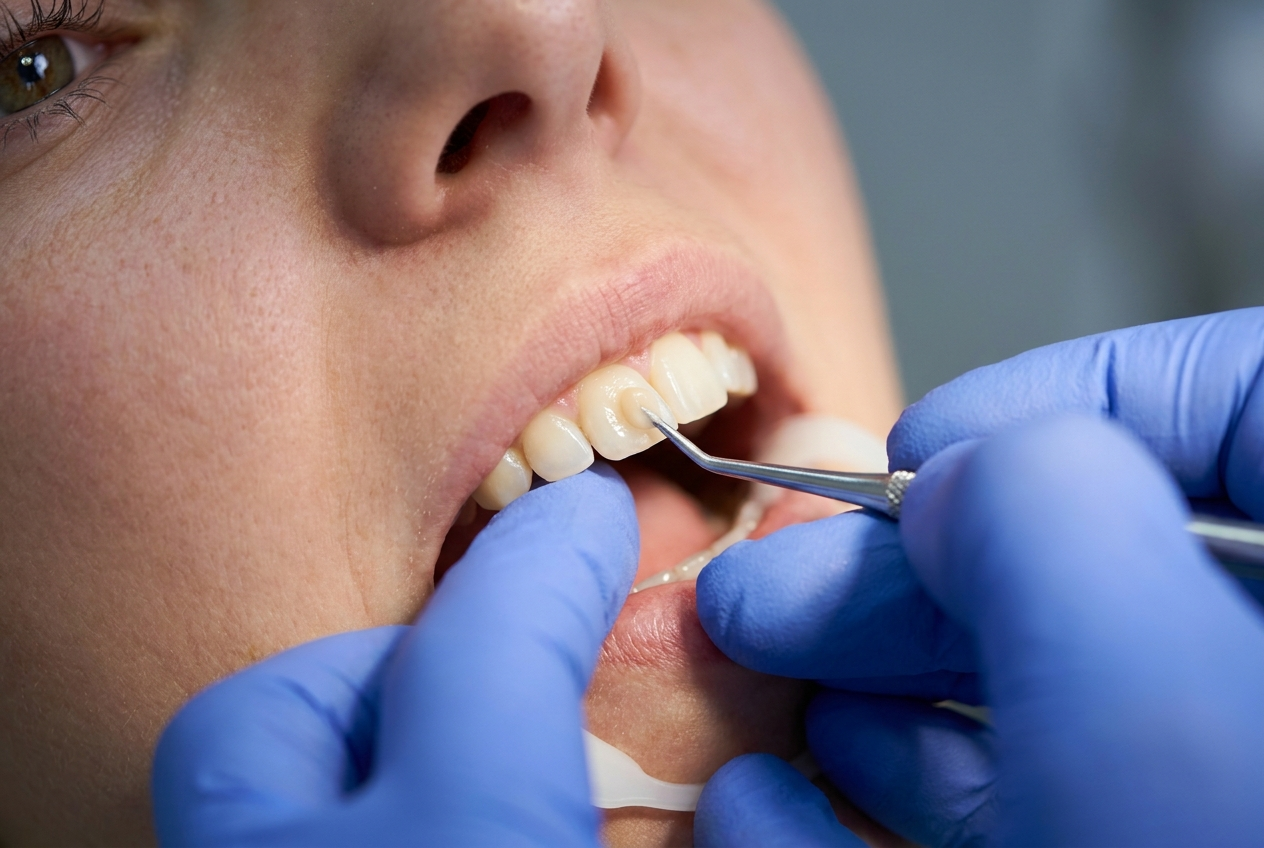
If reversibility is a priority for you, there are real alternatives worth discussing before you commit to porcelain.
No-Prep And Minimal-Prep Veneers
These are made much thinner and bond to the tooth with little or no enamel removal. Because the underlying tooth is largely untouched, removing them can sometimes return the tooth close to its original state.
The tradeoff is that they correct less. Very dark teeth, significantly crooked teeth, or teeth that need reshaping usually fall outside what a no-prep veneer can achieve, because there is no room to hide the correction.
Dental Bonding
Composite bonding shapes tooth-colored resin directly onto the tooth, usually with no enamel removal at all. It can be polished off and redone, which makes it the most genuinely reversible cosmetic option.
Bonding stains more easily than porcelain and typically lasts 5 to 7 years rather than 10 to 15. It also chips more readily on the biting edges of front teeth.
Whitening And Orthodontics
If the concern is color alone, professional whitening changes nothing structurally. If the concern is alignment, clear aligners move your own teeth rather than covering them.
Patients sometimes arrive asking for veneers when whitening or aligners would address what actually bothers them, without touching enamel at all.
Questions Worth Asking Before You Commit
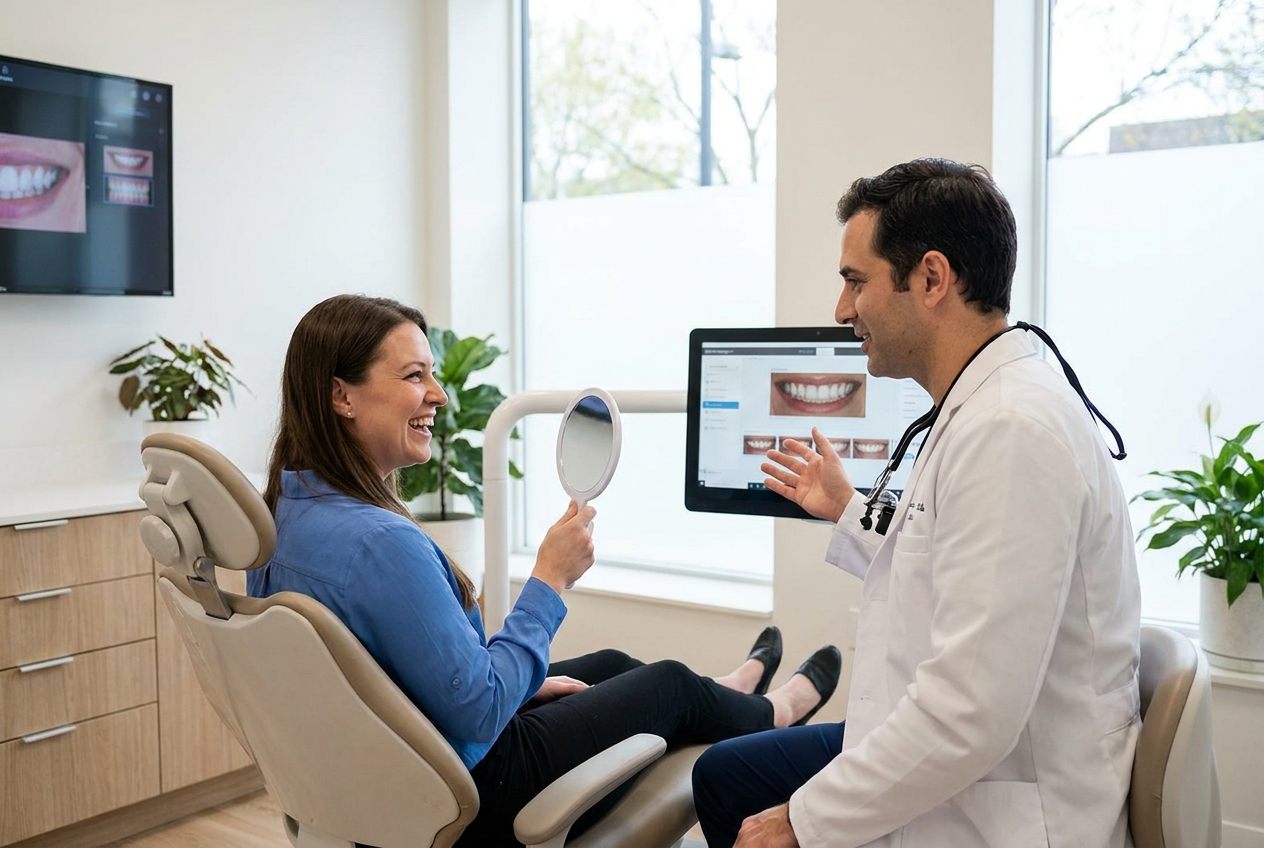
Because the enamel step cannot be undone, the planning conversation carries more weight here than with most dental treatment.
Can I See The Result First
Ask about a trial smile, sometimes called a mock-up. Your dentist applies temporary material over your existing teeth so you can see the proposed shape and length before any enamel is touched.
You can look at it in a mirror, take photos, and live with the idea for a few days. This step prevents the most common regret, which is length or shape that looked right on a screen but not on your face.
How Many Teeth Actually Need Veneers
Treating fewer teeth means altering less enamel. Sometimes four veneers achieve what a patient wanted from ten, particularly when the concern is concentrated in the front teeth.
Matching color across a smaller number of teeth is harder, so this is a genuine tradeoff rather than an obvious win. It is worth discussing openly.
Are My Gums And Bite Healthy Enough
Veneers belong on a healthy foundation. Active gum disease, untreated decay, or a gum line that needs reshaping should be addressed first.
The same applies to grinding. Placing porcelain over teeth that are clenched every night, without addressing the habit, tends to end in chipped veneers.
What Veneers Can And Cannot Correct
Understanding the limits helps you judge whether veneers are the right tool for the problem you actually have.
What They Handle Well
Veneers excel at stains that do not respond to whitening, small chips, uneven edges, minor gaps, and teeth that are slightly out of alignment.
They are also effective at making short or worn teeth look longer, which is a common request from patients whose teeth have flattened over time.
Where They Fall Short
Significant crowding, a bite that does not meet correctly, or teeth that protrude are orthodontic problems. Covering them with porcelain hides the appearance without fixing the underlying position.
Teeth with large existing fillings or extensive damage often need a crown rather than a veneer, since there is not enough sound enamel left to bond to.
The Confidence Question
Cosmetic dentistry changes how people feel about being photographed and speaking in front of others, and that effect is well documented among patients.
That said, the outcome is more predictable when expectations are specific. Vague goals produce vague satisfaction.
What Happens Over The Long Term
Committing to veneers means committing to an ongoing cycle, and it helps to picture that in advance.
Replacement Rather Than Removal
Porcelain veneers commonly last 10 to 15 years, and often longer with good care. When one fails, it is replaced rather than simply removed.
Budgeting for eventual replacement is a realistic part of the decision, the same as it is for any restoration.
The Tooth Underneath Still Needs Care
Porcelain cannot decay, but the natural tooth around and beneath it can, in the same way a crowned tooth can still get a cavity. The margin at the gum line is the vulnerable spot.
Daily flossing and regular checkups protect the investment more than anything else you can do.
When A Crown Becomes The Better Choice
If a tooth loses enough structure over the years, a veneer no longer has enough to bond to. At that point a crown covers the whole tooth rather than just the front.
This is a normal progression rather than a failure, and it is one reason conservative enamel removal at the start pays off later.
Caring For Veneers So They Last
Veneer maintenance is mostly ordinary oral hygiene, with a few specific additions.
Daily Habits That Matter
Brush twice a day with a soft-bristled brush and non-abrasive toothpaste. Whitening pastes with heavy abrasives can dull the polish on porcelain over time.
Floss every day, paying particular attention to the gum line where the veneer meets the tooth.
What To Avoid
Do not use your front teeth to open packaging, bite nails, or chew ice. Veneers are strong in normal function and vulnerable to sharp point loads.
Coffee, tea, and red wine will not stain porcelain the way they stain natural enamel, but they can stain the bonding line at the edges.
Professional Maintenance
Tell your hygienist you have veneers, since some ultrasonic scaling techniques and abrasive polishing pastes are adjusted for porcelain.
Keeping cleanings on schedule also catches decay at the margins early, while it is still a small repair.
Frequently Asked Questions
Can veneers be taken off and put back on?
No. Removing a bonded porcelain veneer damages it, so it cannot be reused. A new one is made instead.
What happens if I never replace a veneer that falls off?
The prepared tooth underneath is exposed, sensitive, and at higher risk of decay. It also looks noticeably different from the teeth beside it.
Leaving it uncovered is not recommended for more than a short period.
Do no-prep veneers work for everyone?
No. They work best on teeth that are small, worn, or slightly spaced. They are a poor fit for teeth that are crowded, protrusive, or heavily discolored, since there is no room to correct those issues.
Will my teeth be damaged if I remove no-prep veneers?
Often the tooth is largely intact, but the bonding process and the removal itself can affect the enamel surface. Reversible is a more accurate word than guaranteed.
Are veneers a good option if I grind my teeth?
They can be, provided the grinding is managed first, usually with a custom night guard. Without that, the risk of chipping is meaningfully higher.
Is there an age at which veneers are not advised?
Dentists generally wait until the teeth and gums have finished developing, usually the late teens at the earliest. Beyond that, the health of the teeth matters far more than age.
📞 Contact Kaufman Dentistry Today
Give us a call at (310) 838-7780 to schedule your appointment and take the first step towards a stunning smile.
You can find us at 10760 Washington Blvd., Culver City, CA 90232. We look forward to welcoming you to our practice and helping you achieve the smile of your dreams!