
Dental Implants in Culver City: What Patients Should Know
Replacing a missing tooth is one of the bigger decisions a patient makes, and implants come up in almost every one of those conversations. They are also the option people tend to know the least about going in.
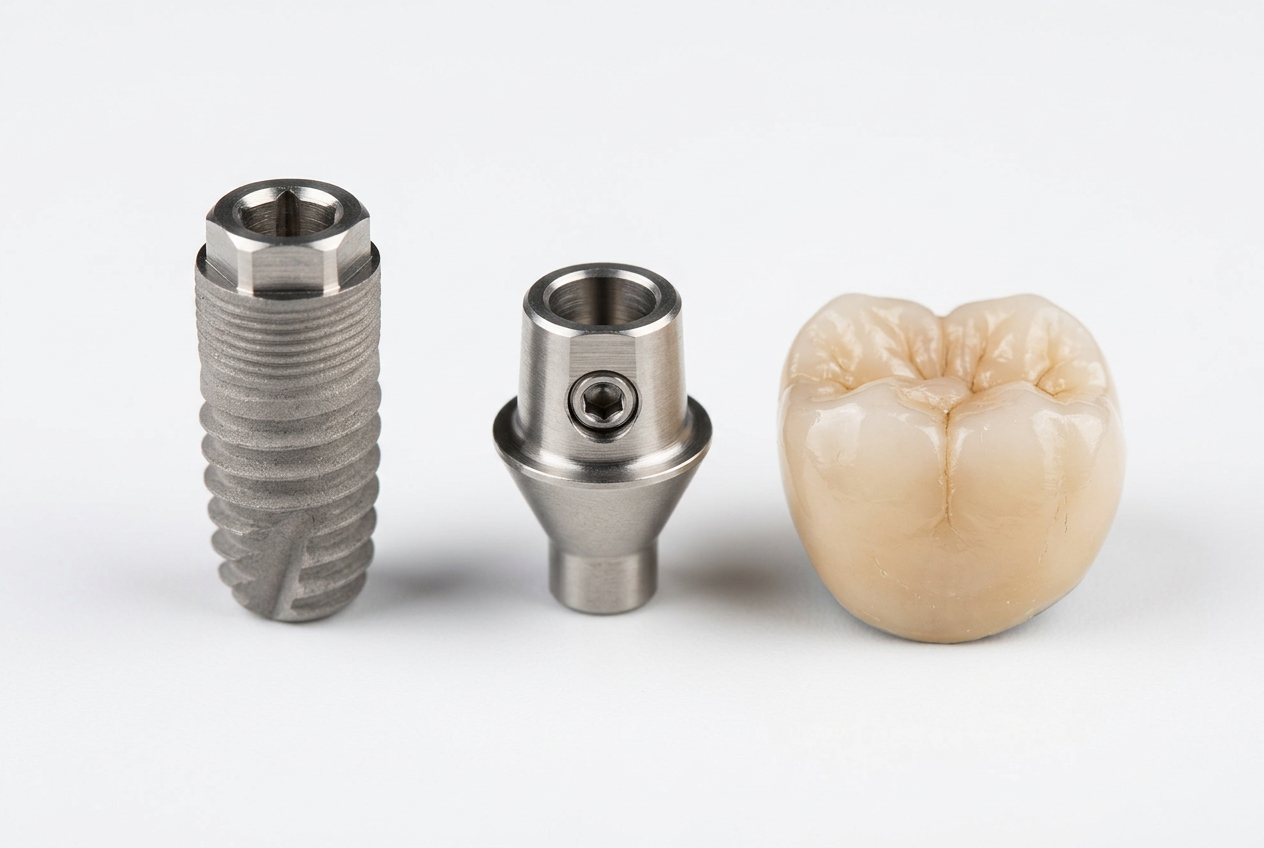
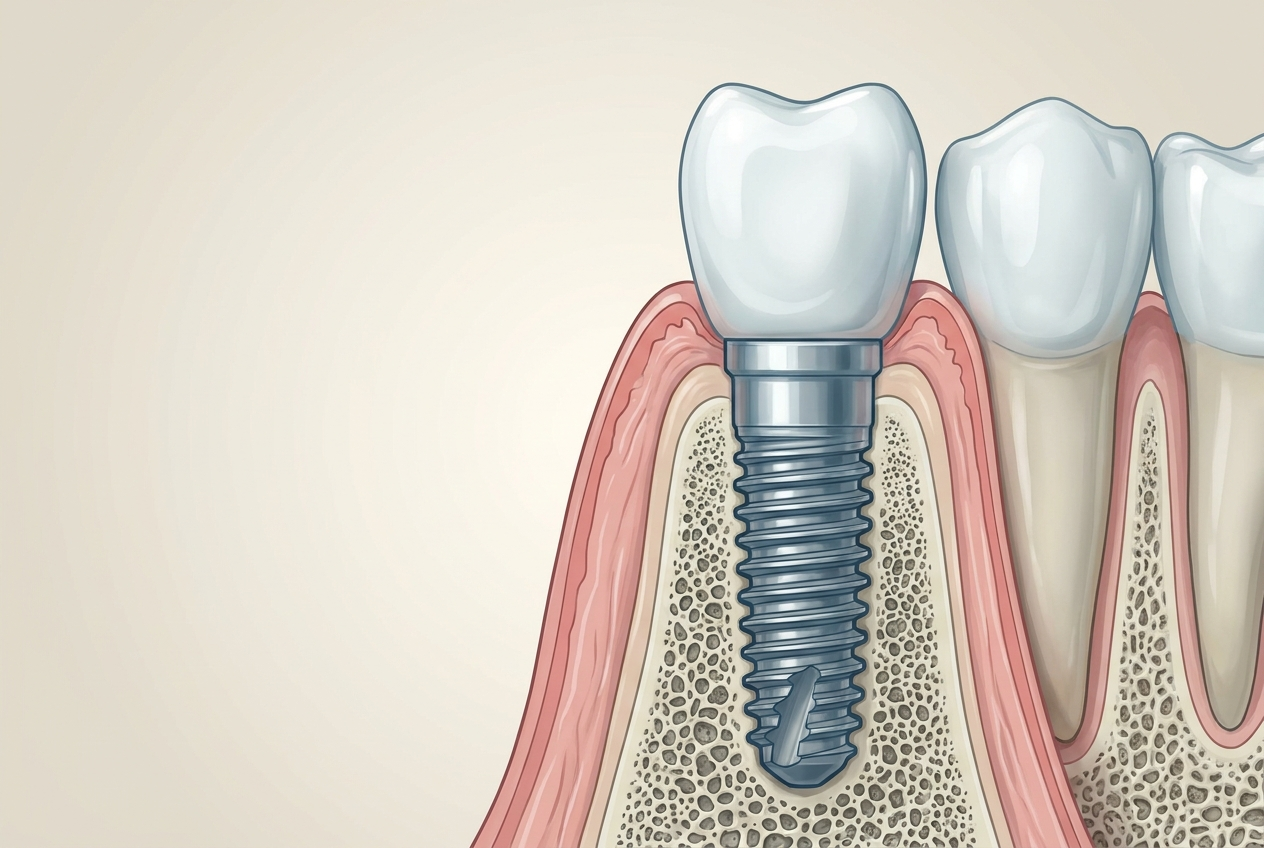
A dental implant is a titanium post placed into the jawbone that acts as an artificial tooth root, supporting a crown, bridge, or denture. Treatment usually spans several months, most of which is healing rather than appointments.
That surprises people. The actual chair time across the whole process is often only a few hours.
Here is what patients in Culver City and the surrounding Westside typically want to know before committing to implant treatment.
Key Takeaways
-
Most implant treatment takes 3 to 6 months, and the majority of that is healing time between short appointments.
-
Adequate jawbone matters more than age, and bone loss begins soon after a tooth is removed.
-
Implants cannot decay, but the gum and bone around them still need daily care and regular checkups.
How The Implant Process Actually Works
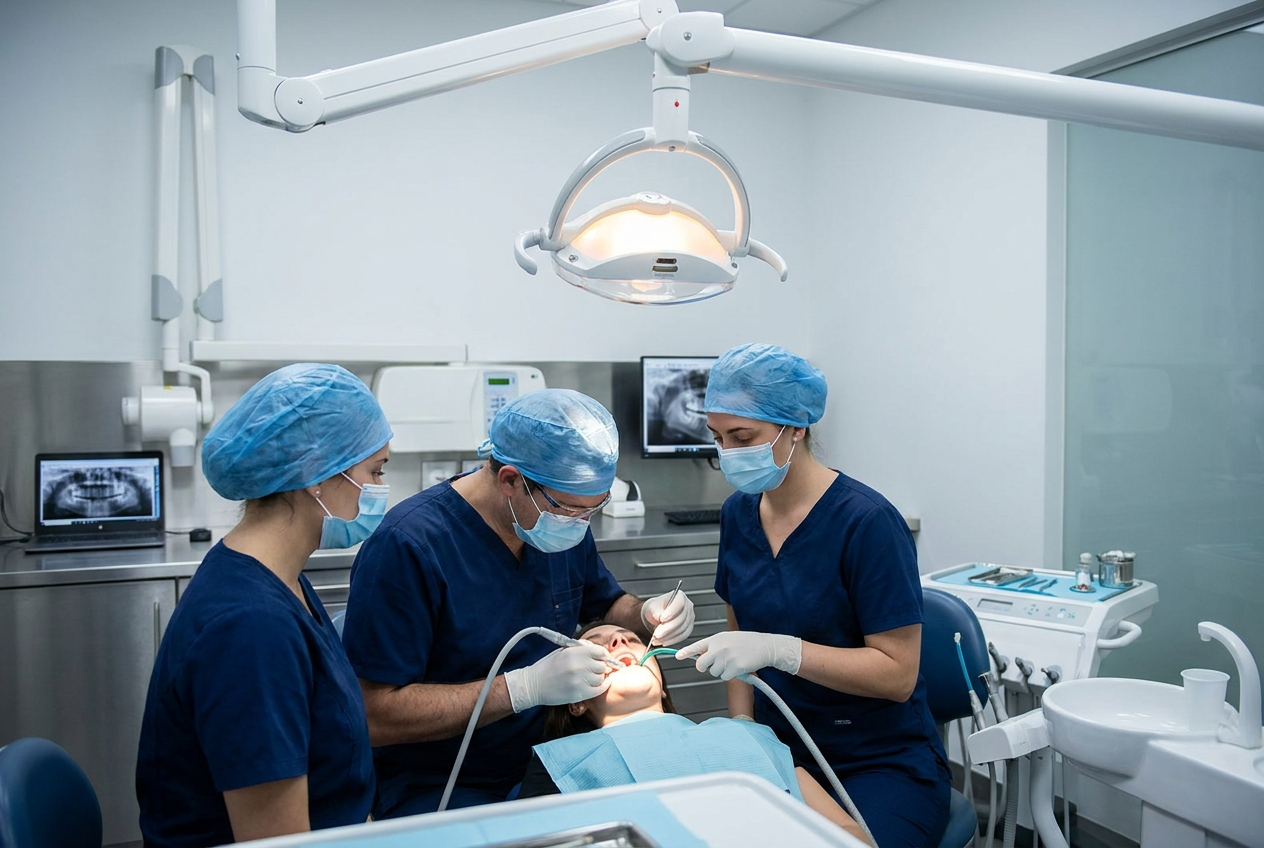
Implant treatment sounds more daunting described all at once than it feels spread across several months.
The Consultation And Imaging
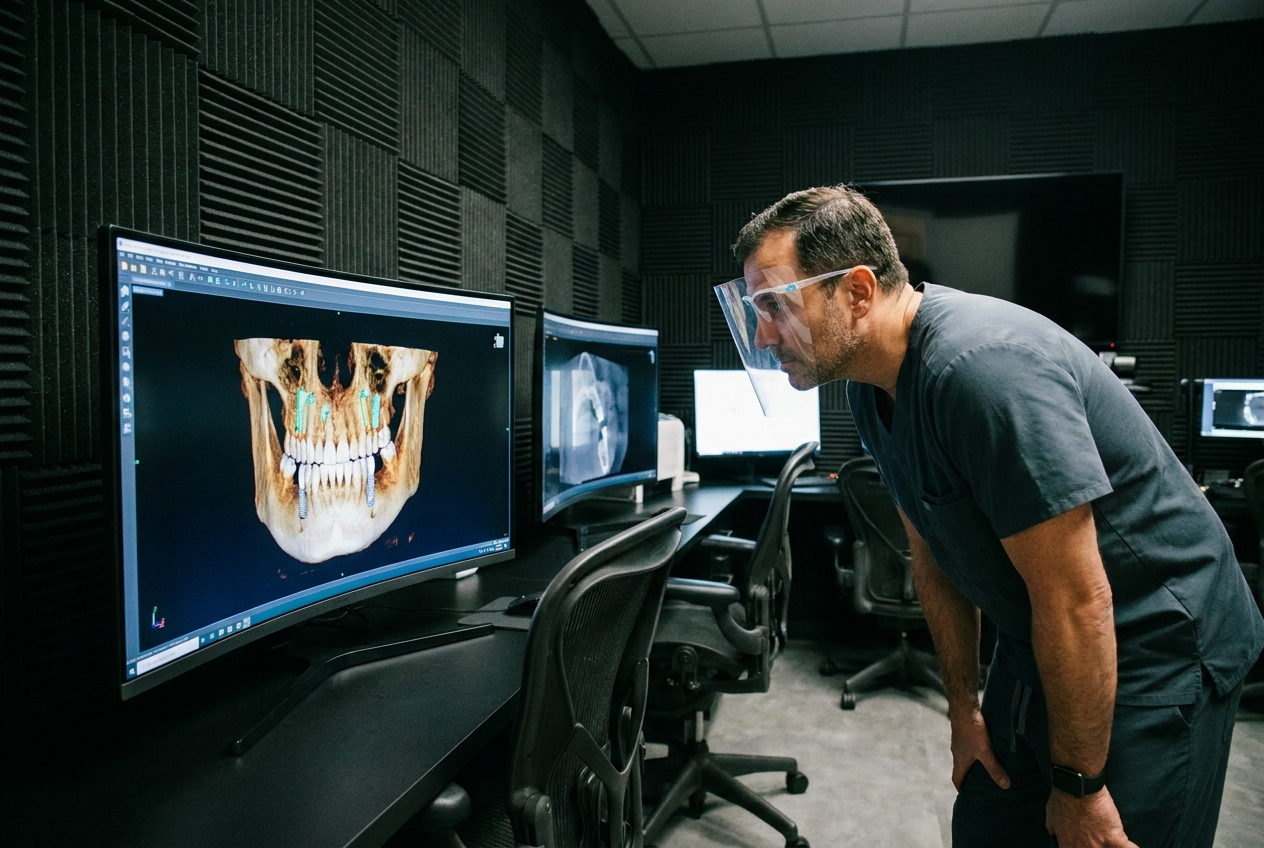
The first visit establishes whether an implant is realistic for you. Alongside an exam, this usually involves a 3D scan showing bone height, bone width, and the position of nerves and sinuses.
That scan turns implant planning from an estimate into a measured plan, which is why a CT scan is often recommended beforehand.
Placing The Implant
Placement is done under local anesthetic and typically takes under an hour for a single implant. The post is set into the bone and the gum is closed over or around it.
Most patients describe recovery as easier than expected. Sedation options are available for anyone who would rather not be fully alert.
Healing And Integration
This is the long part. Over roughly 3 to 6 months, bone grows directly against the implant surface and locks it in place, a process called osseointegration.
Nothing much is required of you during this stage beyond normal hygiene, and a temporary tooth if the gap is visible.
The Final Restoration
Once integrated, an abutment connects the implant to the crown, and the crown is made to match your surrounding teeth in shade and shape.
Practices using digital scanning can often skip conventional impression material at this stage.
What Determines Whether You Are A Candidate
Most adults are candidates, but a few factors genuinely affect the outcome and are worth understanding early.
Available Bone
An implant needs enough bone to anchor into, and the jaw begins to recede within months of losing a tooth. The timing of your decision therefore affects your options.
Where bone is insufficient, a bone graft can rebuild the site. This adds months to the timeline but makes treatment possible.
Gum Health
Active gum disease needs to be treated before an implant is placed. The same bacteria that damage bone around natural teeth can affect bone around an implant.
Smoking And General Health
Smoking reduces blood flow to healing tissue and measurably increases implant failure rates. Conditions such as poorly controlled diabetes also affect healing.
Neither automatically rules out treatment, but both are worth an honest conversation, since they change the odds.
Implant Material
Titanium is the long-established standard and has decades of clinical history behind it. Ceramic alternatives exist for patients who prefer a metal-free option.
Our comparison of zirconia and titanium implants covers where each one fits.
How Implants Compare To The Alternatives
An implant is not automatically the right answer, and a good consultation covers the alternatives properly.
Implant Compared With A Bridge
A traditional bridge is faster and involves no surgery, but it requires reshaping the healthy teeth on either side of the gap.
An implant leaves neighboring teeth untouched and generally lasts longer, at the cost of a longer timeline.
Implant Compared With A Denture
Dentures cost less and can replace many teeth at once, but they rest on the gums and do not stop bone loss underneath.
Implant-retained dentures sit between the two, using a small number of implants to hold a denture securely. Our comparison of implants and dentures goes into the practical differences.
Saving The Natural Tooth Instead
If the tooth in question is still present but damaged, keeping it is often preferable. Root canal treatment and a crown can preserve a tooth for many years.
Our overview of extraction compared with root canal covers when each makes sense.
What Recovery Actually Involves
Recovery is the stage patients worry about most and, in practice, the stage that surprises them least.
The First Few Days
Expect some swelling and soreness for two to three days, usually manageable with over-the-counter pain relief and an ice pack for the first day.
Most people return to work the next day. Strenuous exercise is best postponed for about a week.
Eating And Hygiene
Soft foods for the first several days protect the site while the gum closes. Avoid chewing directly on the implant until your dentist confirms it is safe.
Keep brushing the rest of your mouth normally, and follow whatever rinse instructions you are given. Our detailed guide covers what to expect after implant surgery.
When To Call The Office
Pain that increases after day three, swelling that worsens rather than settles, or a fever all warrant a phone call.
These are uncommon, but they are much easier to address early.
Choosing A Practice For Implant Treatment
Implant treatment happens over months, so the practice you choose matters as much as the implant brand.
Ask Who Handles Each Stage
In some cases a surgeon places the implant and a separate dentist makes the crown. In others, one practice handles the whole sequence.
Neither approach is wrong, but knowing in advance tells you who to call if something feels off, and how many offices you will be traveling between.
Ask About Imaging And Planning
Ask whether 3D imaging is used for planning, and whether placement is guided. It is a reasonable question and any implant provider should answer it comfortably.
Ask What Happens Afterward
Find out what follow-up looks like, what happens if a problem arises, and how the implant will be monitored long term.
Kaufman Dentistry has treated families across Culver City and the surrounding Westside for years, and we are glad to answer these questions before you commit to anything.
Caring For An Implant Long Term
Implants are durable, but they are not maintenance free, and the way they fail differs from natural teeth.
The Risk Is Gum And Bone Rather Than Decay
Titanium and porcelain cannot decay. What can go wrong is peri-implantitis, an inflammatory condition in the gum and bone around the implant, driven by plaque.
Caught early it is manageable. Left alone it can cost you the implant, which is the main reason checkups still matter.
Daily Care
Brush and floss around an implant as you would a natural tooth. Many patients find a water flosser or an interdental brush easier for cleaning around the implant crown.
Protect It From Grinding
An implant has no periodontal ligament, so it lacks the slight cushioning a natural tooth has. If you grind or clench, a night guard protects both the crown and the implant.
Given the investment involved, that is a small piece of insurance worth having.
Frequently Asked Questions
How long does the whole implant process take?
Typically 3 to 6 months from placement to final crown. Cases needing a bone graft can take 9 to 12 months.
Actual chair time across that period is usually only a few hours.
Is getting an implant painful?
Placement is done with local anesthetic, so you should not feel pain during it. Soreness for a few days afterward is normal and usually managed with over-the-counter pain relief.
Am I too old for a dental implant?
There is no upper age limit. Bone quality and general health matter, not age. Patients in their seventies and eighties have implants placed routinely.
How long will an implant last?
The implant post itself often lasts decades and can last a lifetime. The crown attached to it typically needs replacing after 10 to 15 years, similar to other restorations.
Does dental insurance cover implants?
Coverage varies considerably. Some plans contribute toward the crown but not the implant, and annual maximums often limit what is paid in a single year.
A pre-treatment estimate from your insurer is the reliable way to find out.
What if I have been missing a tooth for years?
Still worth asking about. Bone will have receded, so a graft may be needed, but long-standing gaps are treated regularly.
A scan will show what is there and what your options are.
📞 Contact Kaufman Dentistry Today
Give us a call at (310) 838-7780 to schedule your appointment and take the first step towards a stunning smile.
You can find us at 10760 Washington Blvd., Culver City, CA 90232. We look forward to welcoming you to our practice and helping you achieve the smile of your dreams!