
What to Do If Your Crown Falls Off
It usually happens at the worst moment. You bite into something sticky, feel a strange click, and suddenly there is a small porcelain cap sitting in your mouth. Your tongue finds a rough, sensitive stub where a tooth used to be. A crown coming off is startling, but it is also one of the most common and most fixable things we see at our Culver City office.
If your crown falls off, find it, rinse it, keep it safe, and call us the same day. Avoid chewing on that side, keep the exposed tooth clean, and do not use household glue. In most cases the crown can be cleaned and recemented in a single short visit, as long as the tooth underneath is still sound. If you are not sure whether your situation can wait, our guide to what counts as a dental emergency lays out the line, and our emergency treatment page explains how we fit urgent visits in.
Key Takeaways
- A lost crown is urgent but rarely an emergency. Same day or next day care is the goal.
- Rinse the crown, store it in a clean container, and bring it to your appointment.
- Temporary dental cement from a pharmacy can protect the tooth for a day or two. Superglue never.
- Crowns come off because the cement wears out, decay forms at the edge, or the tooth underneath breaks.
- If the tooth is healthy, recementing takes minutes. If not, a new crown or other treatment is planned.
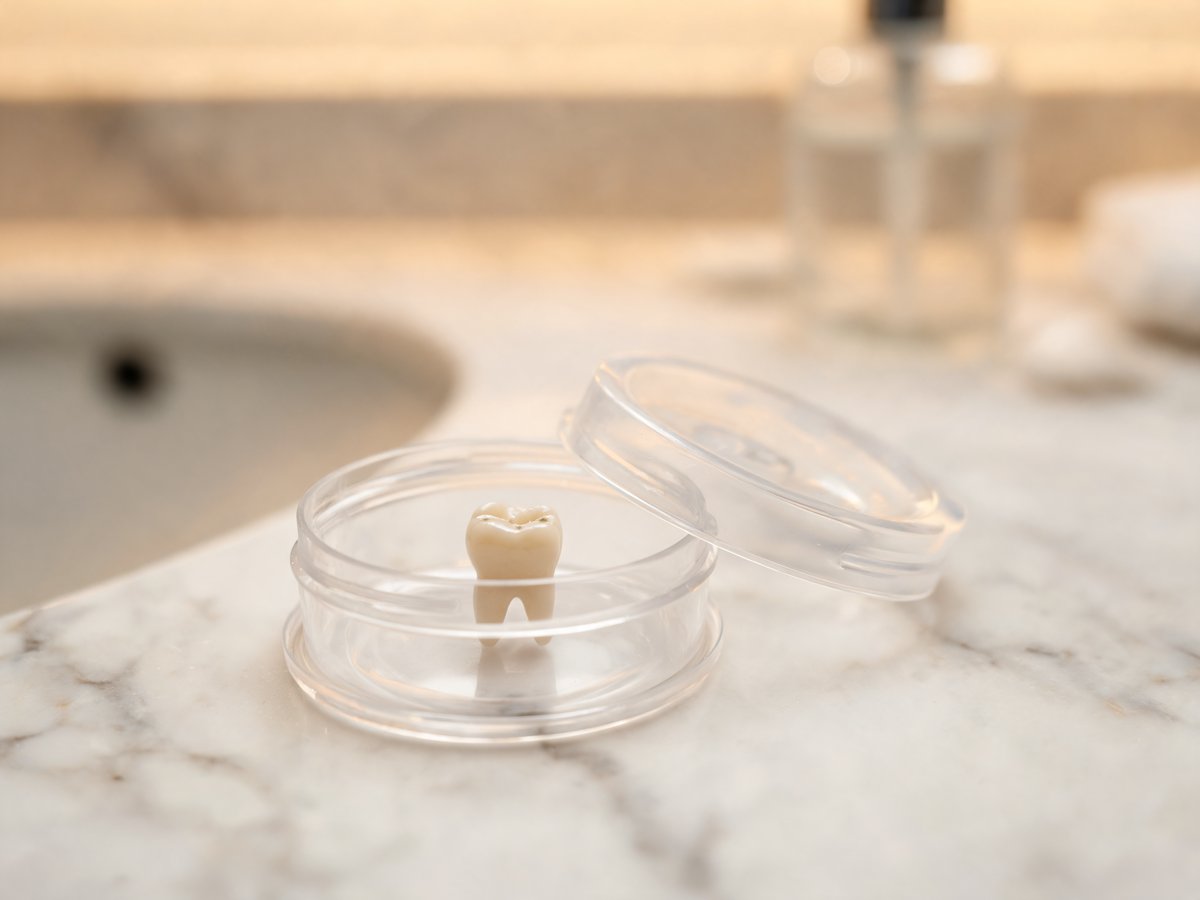
What to Do in the First Hour
Find the crown and rinse it
Take the crown out of your mouth so you do not swallow or inhale it. Rinse it gently under warm water to remove any food or old cement, then dry it and put it in a small clean container or a sealed bag. Do not scrub the inside or try to pick out the cement with anything sharp.
Look at the tooth
Check the tooth in a mirror. Most of the time you will see the prepared stub, which looks smaller and darker than a normal tooth. If a large piece of tooth came off inside the crown, or the tooth is broken to the gumline, mention that when you call. Sharp pain or throbbing points to the nerve being exposed and moves you higher on the schedule.
Call us the same day
The tooth under a crown was shaped down when the crown was made, so it is weaker and more sensitive than the teeth around it. Every day it is exposed it can chip, shift slightly or pick up bacteria. Calling promptly keeps a simple recement from turning into a bigger repair. The ADA offers a good overview of what to do in common dental emergencies if you are traveling and cannot reach us right away, and so does our article on handling a dental emergency while traveling.
Protecting the Tooth Until Your Visit
If you can be seen within a day, the simplest plan is to leave the crown out, keep the area clean, and chew on the other side. If it will be longer, a few precautions help.
Temporary dental cement
Pharmacies sell temporary crown cement made for exactly this situation. Dry the tooth and the inside of the crown, put a small amount of cement in the crown, seat it the way it was, bite down gently to check that it sits right, and wipe away the excess. If it feels high or rocks, take it back off. A crown seated in the wrong position can crack or damage the bite.
What never to use
Superglue and other household adhesives are the most common mistake we see. They are toxic to the living tooth, they set unevenly so the crown seats crooked, and they are very hard to remove, which can mean the crown cannot be reused. Denture adhesive or a dab of toothpaste is a safer short term hold than any glue.
Keep it clean and comfortable
Brush the exposed tooth gently with a soft brush and rinse with warm salt water after meals. Avoid very hot, cold or sweet foods, which can make the exposed dentin ache. If the tooth is sensitive, a sensitivity toothpaste rubbed on the stub takes the edge off, and our tips for people with sensitive teeth apply here too.
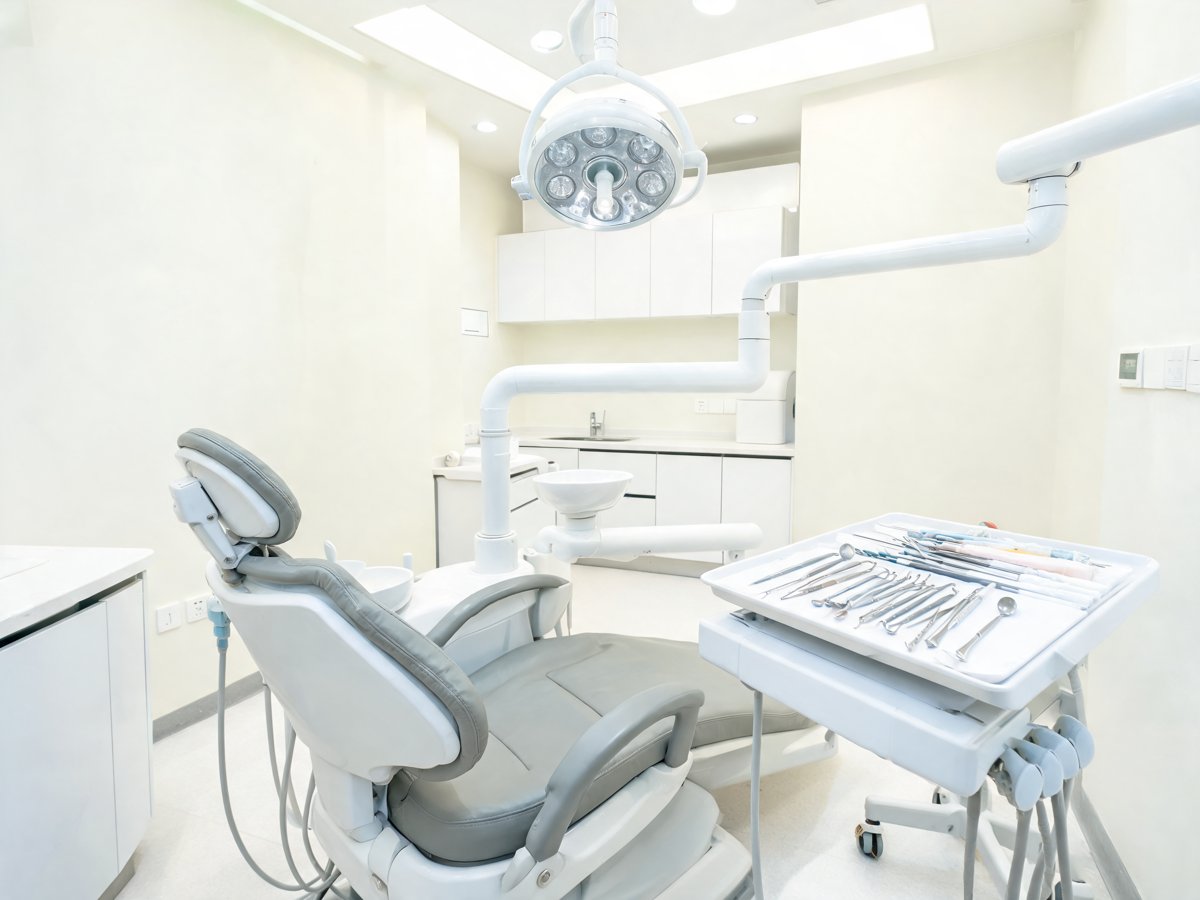
Why Crowns Come Off
A dental crown is held on by a thin layer of cement and the shape of the tooth underneath it. When either one changes, the crown can loosen. Knowing why yours came off tells us whether it can simply go back on.
The cement wore out
Cement breaks down slowly over years, especially on older crowns. Sticky candy, caramel or even a piece of gum can then lift the crown off a tooth that is otherwise perfectly healthy. This is the best case: clean, recement, done.
Decay at the edge
The seam where the crown meets the tooth is the one spot bacteria can reach. If decay forms there, it softens the tooth and the crown loses its grip. As we explain in whether a crowned tooth can still get a cavity, the tooth under a crown is still a living tooth. Decay has to be removed and the tooth rebuilt before a crown can go back on, and often that means a new crown.
The tooth cracked or broke
Grinding, clenching and chewing ice put enormous force on a crowned tooth. Sometimes the tooth under the crown fractures and part of it comes away inside the cap. The causes are the same ones behind what causes teeth to crack, and a night guard is the usual way to protect the repair. How much tooth remains decides between a new crown, a crown buildup or, rarely, extraction.
How We Fix a Lost Crown
At your visit we clean the old cement out of the crown, examine and x ray the tooth, and check that the crown still fits precisely. If the tooth is sound and the crown is intact, it is recemented with permanent cement in a matter of minutes and you leave chewing normally.
If the crown is damaged, the tooth has decay, or the fit is no longer tight, we plan a replacement. With our one visit crowns technology, a new crown is designed and milled in the office the same day, which we describe in CEREC same day crowns explained. If a tooth with an old root canal is involved, we also check the signs covered in can a root canal fail before deciding.
Frequently Asked Questions
Is a crown falling off an emergency?
It is urgent, not an emergency, unless you have severe pain, swelling or bleeding. Call the same day and we will usually see you within a day or two. Sharp pain when air or cold touches the tooth means the nerve is exposed and we move faster.
Can I just put the crown back on myself?
With temporary dental cement, yes, for a day or two. It is a stopgap, not a fix. The cement is weak by design so we can remove it, and it does nothing about the reason the crown came off in the first place.
What if I swallowed the crown?
Swallowed crowns almost always pass without any trouble. If you inhaled it and are coughing or short of breath, seek medical care immediately. Either way, call us so we can protect the tooth and plan a new crown.
How much does it cost to recement a crown?
Recementing an intact crown on a healthy tooth is a small fee compared with a new crown. If a replacement is needed, we give a clear estimate first, and payment plans are available.
How can I stop it from happening again?
Floss carefully around crowns instead of snapping the floss out, skip ice and sticky candy, wear a night guard if you grind, and keep your checkups so we can catch a loosening crown before it lets go. Our post on what a dental crown is covers the care in more detail.
📞 Contact Kaufman Dentistry Today
If your crown has come off, call us now and we will get you in as quickly as we can. Our father and son team has cared for Culver City families for decades, and a lost crown is something we fix nearly every week.
Call us at (310) 838 7780 or visit us in Culver City. Get directions here.