
How to Prevent Dry Socket After an Extraction
The extraction went smoothly, the numbness has worn off, and you are settling in at home with an ice pack and a list of instructions. Somewhere on that list is a phrase that makes most patients nervous: dry socket. It sounds ominous, and anyone who has had one will tell you it is genuinely painful. The good news, which we share with every extraction patient at our Culver City office, is that dry socket is mostly preventable with a few simple habits in the first few days.
To prevent dry socket, protect the blood clot that forms in the empty socket: no smoking, no straws, no spitting or vigorous rinsing, and no hard or crunchy food for at least three days. Rest the first day, keep your head elevated, and clean gently around the site rather than over it. If you want to know what the procedure itself involves, our guide to what happens during a tooth extraction walks through it, and how wisdom teeth are removed covers the most common case.
Key Takeaways
- Dry socket happens when the blood clot in the socket is lost or dissolves before the gum heals over it.
- The risk is highest in the first three to five days and much higher for smokers and lower wisdom tooth extractions.
- Suction of any kind, straws, smoking and spitting, is the number one thing to avoid.
- Soft foods, gentle salt water rinses after 24 hours, and rest do most of the protective work.
- Pain that gets worse after day three instead of better is the warning sign. Call us the same day.
What Dry Socket Actually Is
When a tooth is removed, the empty socket fills with blood that clots within an hour or so. That clot is the foundation of healing. It covers the bone and nerve endings, it keeps food and bacteria out, and new tissue grows up through it over the following weeks. Dry socket is what happens when that clot comes loose or dissolves too early, leaving the bone exposed to air, food and saliva.
Why it hurts so much
Exposed bone is intensely sensitive. The pain is a deep, throbbing ache that often radiates to the ear, temple or neck on the same side, and over the counter pain relievers barely touch it. There is usually a bad taste or odor as well. It typically appears two to four days after the extraction, right when patients expect to be feeling better.
Who is most at risk
Dry socket is uncommon after a simple extraction and more likely after a difficult one, especially lower wisdom teeth. Smokers have a much higher rate, as do patients taking birth control pills, patients with a previous dry socket, and anyone with an existing infection around the tooth. Poor oral hygiene before the procedure raises the risk too, which is one reason we recommend a professional cleaning before planned oral surgery.
The First 24 Hours
Everything you do on day one is about letting the clot form and settle. It does not need much from you beyond leaving it alone.
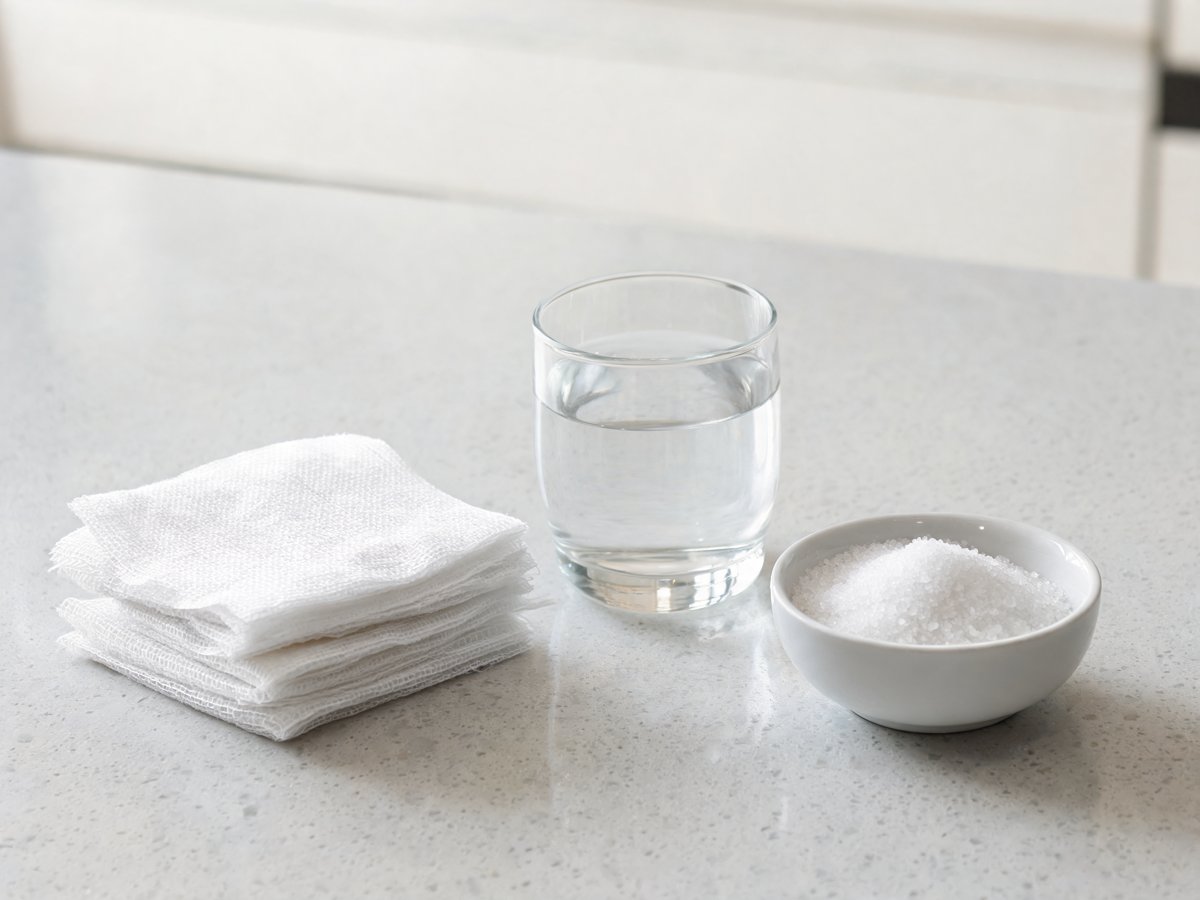
Bite on the gauze and then leave it
Keep firm, steady pressure on the gauze for 30 to 45 minutes after you leave the office, then remove it. Change it only if bleeding continues, and stop checking the site with your tongue. Every poke risks disturbing the clot.
No rinsing, spitting or straws
For the first day do not rinse your mouth at all, and for at least three days avoid anything that creates suction. Drinking through a straw, spitting forcefully, and smoking or vaping all pull on the clot. Let liquids run out of your mouth over the sink instead of spitting if you need to.
Rest with your head up
Take the day off from exercise, bending and heavy lifting, all of which raise blood pressure in the head and can restart bleeding. Sleep with an extra pillow the first couple of nights. An ice pack on the cheek in 20 minute stretches keeps swelling down.
Days Two Through Five
Start gentle salt water rinses
After the first 24 hours, mix half a teaspoon of salt into a cup of warm water and let it wash gently over the site after meals and before bed. Tilt your head rather than swishing hard, and let it fall out of your mouth. This keeps the area clean without dislodging anything.
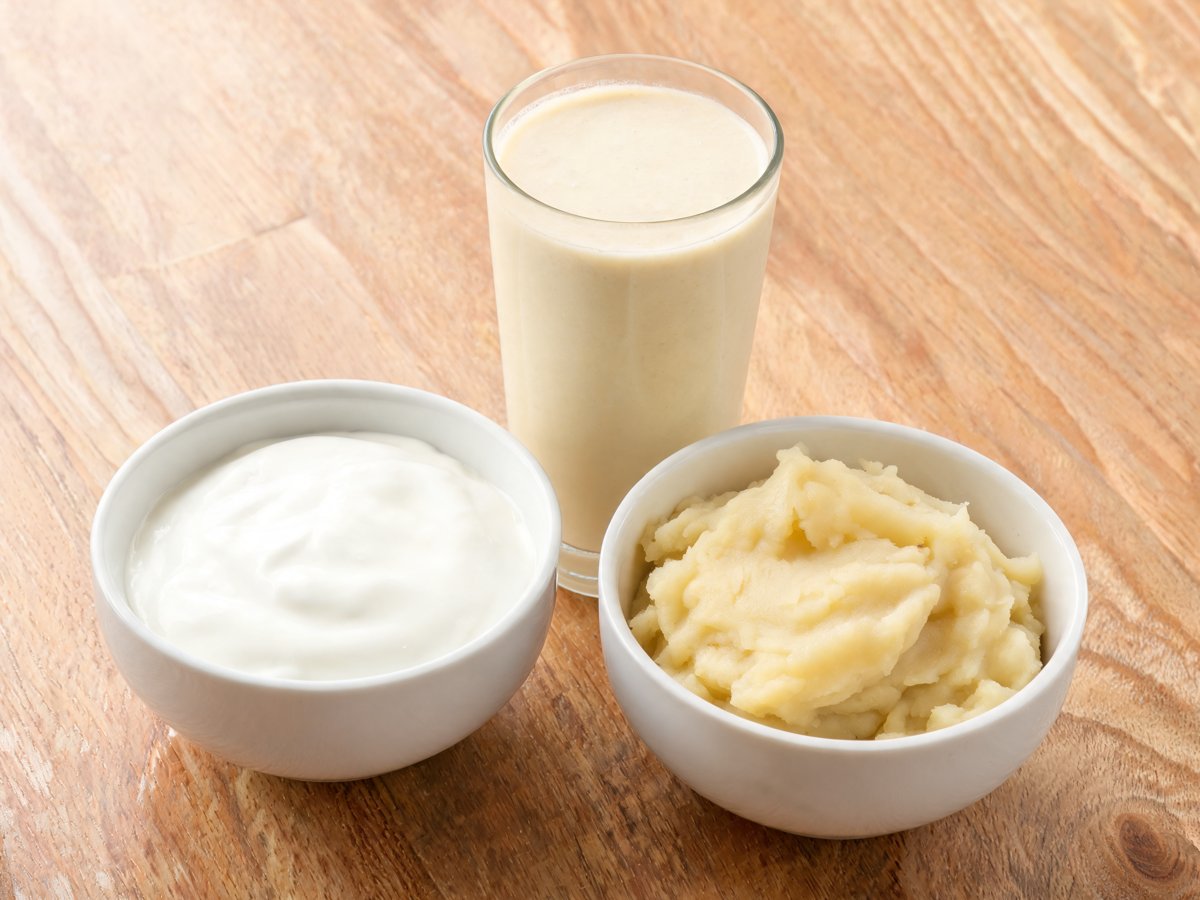
Eat soft and lukewarm
Yogurt, smoothies eaten with a spoon, mashed potatoes, eggs, soup that is warm rather than hot, and oatmeal are all easy on the site. Skip anything crunchy, seedy or sticky, and chew on the opposite side. Very hot food can dissolve the clot, and small hard pieces like rice or seeds can lodge in the socket.
Brush carefully, not around the socket
Keep brushing the rest of your teeth from the first night, since a clean mouth heals faster. Steer the brush away from the socket itself for the first few days and skip mouthwash that contains alcohol, which irritates the wound.
Do not smoke
This one deserves its own line. Smoking combines suction, heat and chemicals that slow healing, and it is the single biggest risk factor we see. Waiting at least 72 hours, and ideally a full week, dramatically lowers the chance of dry socket. If you have been thinking about quitting, our smoking cessation support and our article on how smoking affects your teeth are worth a look.
Warning Signs to Call About
Normal healing means the discomfort peaks on the first or second day and then improves steadily. Dry socket breaks that pattern.
- Pain that gets worse after day two or three instead of better
- A deep ache that spreads to the ear, eye or neck on the same side
- A visible empty socket with whitish bone instead of a dark clot
- A foul taste or smell that rinsing does not clear
- Pain that over the counter medication no longer controls
Fever, spreading swelling or trouble opening your mouth point to infection rather than dry socket and need the same urgency we describe in facial swelling from a tooth. Either way, call us the same day. Dry socket is treated in a short visit by cleaning the socket and placing a soothing medicated dressing, and relief is usually fast. Our emergency treatment page explains how we fit these visits in.
Healing Well Beyond Dry Socket
Once the first week is behind you, the socket fills in over the following weeks and the bone reshapes underneath. If the tooth is going to be replaced, that matters. The jawbone shrinks after an extraction, which we cover in why bone loss happens after tooth extraction, and a bone graft placed at the time of extraction preserves the site for a future implant. Our guide to dental implants in Culver City explains what comes next, and the ADA has a clear overview of tooth extractions and recovery.
Frequently Asked Questions
How long am I at risk for dry socket?
The risk is highest during the first three to five days. Once the gum tissue has grown over the clot, usually by the end of the first week, the risk is essentially gone.
Can I drink coffee after an extraction?
Wait until the next day, and let it cool to lukewarm. Heat and caffeine can both interfere with the clot on day one. Drink from the cup, never through a straw.
Is it normal to see a white spot in the socket?
A creamy white or yellowish layer over the socket a few days in is usually granulation tissue, a normal part of healing. Bare, dull white bone with severe pain is dry socket. If you are not sure, a quick look at the office settles it.
Does dry socket heal on its own?
Eventually, but it takes a week or more of significant pain. A medicated dressing from the office brings relief within hours and is changed every few days until the socket heals. There is no reason to tough it out.
Could the tooth have been saved instead?
Sometimes, and we always look at that first. Our comparison of tooth extraction vs root canal explains when each one is the right call, and whether wisdom teeth have to come out covers the most common question.
📞 Contact Kaufman Dentistry Today
If you have an extraction coming up or are healing from one now and something does not feel right, call us. Our father and son team has guided Culver City patients through thousands of extractions, and a quick call is always better than a week of worry.
Call us at (310) 838 7780 or visit us in Culver City. Get directions here.