
Does Every Root Canal Tooth Need a Crown?
Your root canal is finished, the ache that sent you in is gone, and the tooth finally feels normal again. Then comes the next recommendation: a crown. It is natural to wonder whether that second step is really necessary, especially when the tooth feels fine. The honest answer is that it depends on which tooth it is and how much of it is left.
TL;DR
Not every one, but most back teeth do. Molars and premolars take heavy chewing forces, and after root canal treatment they have usually lost a lot of structure to decay, old fillings and the treatment opening, so a crown protects them from cracking. Front teeth with most of their structure intact can often be sealed with a tooth colored filling. At our office, ceramic crowns can be designed and placed in a single visit in most situations.
Key Takeaways
- Molars and premolars usually need a crown after a root canal because they do most of the chewing.
- Front teeth with little damage can often be restored with a filling instead.
- The deciding factor is how much healthy tooth remains, not the root canal itself.
- Waiting too long for a recommended crown risks a crack that can cost you the tooth.
- With CEREC, many crowns are designed, milled and placed the same day at our Culver City office.
Why Root Canal Teeth Often Need Extra Protection
A root canal removes infected or inflamed pulp from inside the tooth, cleans the canals, and seals them. If you want the full picture, our guide to root canal treatment step by step walks through it. The treatment saves the tooth, but it does not rebuild what was lost before you ever sat in the chair.
The tooth has usually lost structure
Most teeth that need a root canal got there because of deep decay, a large old filling, a crack, or repeated work over the years. Each of those removes tooth structure. By the time the canals are treated, the outer walls of the tooth are often thin.
The access opening removes a little more
To reach the canals, the dentist makes an opening through the top of the tooth. On a back tooth that opening runs through the center of the chewing surface, the part that helps hold the walls together.
Back teeth take the heaviest forces
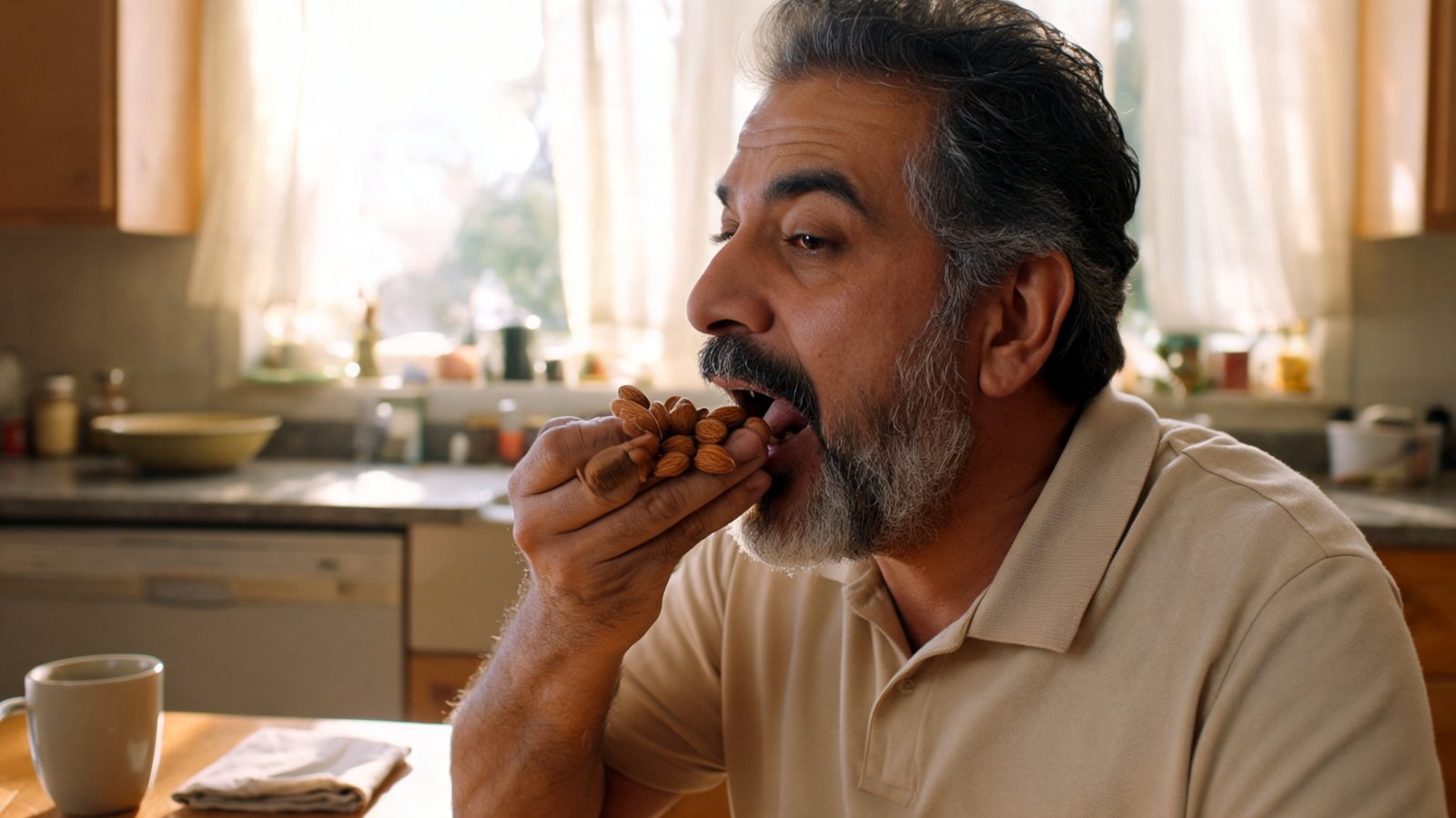
Molars and premolars do the grinding work when you chew, and they absorb far more force than front teeth. A weakened back tooth is prone to splitting, and a crack that runs down into the root can mean the tooth has to come out. We explain how that happens in what causes teeth to crack. A crown wraps around the whole tooth and holds it together, much like a cap on a pen.
When a Crown Is Usually Recommended
Your dentist will look at the specific tooth, but a crown is the usual recommendation when:
- The tooth is a molar or a premolar
- A large portion of the tooth was already filled or lost to decay
- There is a visible crack, or the tooth broke before treatment
- You clench or grind your teeth, which multiplies the force on every tooth
- The tooth supports a bridge or a partial denture
Grinding deserves a special mention. If you wake up with a sore jaw or your partner hears grinding at night, a crowned tooth still benefits from a night guard. Our article on whether you should wear a night guard explains the signs.
When a Filling May Be Enough
Front teeth, the incisors and canines, are a different story. They bite and tear rather than grind, and the opening for a root canal on a front tooth is small and sits on the back side of the tooth. If the tooth was not heavily damaged to begin with, a tooth colored filling that seals the opening is often all it needs.
The middle ground: an onlay
Sometimes a back tooth has strong side walls but needs its chewing cusps protected. An onlay covers and supports the cusps while keeping more of your natural tooth than a full crown. As our ceramic restorations page explains, our ceramic options include inlays, onlays and crowns, so the restoration can be matched to how much tooth is left.
Had a root canal recently and not sure what comes next? Call (310) 838 7780 or send us a message and our Culver City team will get back to you.
How Long Can You Wait for the Crown?
Not long. After a root canal, the tooth is usually sealed with a temporary or interim filling. That seal is not designed to last, and a back tooth without a crown is at its most fragile in the weeks after treatment. Most dentists recommend placing the final restoration within a few weeks.
Waiting brings two risks. The first is a crack, often from biting something hard like a nut or a piece of ice. The second is leakage, where bacteria seep back in around a temporary seal and can reinfect the canals. Leakage is one of the reasons root canals fail, which we cover in can a root canal fail?. Until your crown is placed, chew on the other side and avoid hard or sticky food.
Same Visit Crowns With CEREC
At Kaufman Dentistry, the wait between root canal and crown can be short. Once the tooth is cleaned out and prepared, a digital 3D model of it is captured with CEREC technology and the crown is designed on screen. After the design is approved, an in office milling unit shapes the ceramic crown, which can then be placed the same visit. In most situations you will not need to wear a temporary, and you can eat on the tooth once the anesthetic wears off.

Our CEREC same day dentistry page and our article on CEREC same day crowns explain the technology in more detail. On the root canal side, Drs. Matt and Warren treat the canals with modern rotary instruments and vertical fill techniques, as described on our endodontic treatment page.
Life With a Crowned Root Canal Tooth
Once it is crowned, the tooth should feel and work like any other. Brush twice a day, floss around it daily, and keep your regular cleanings. The crown itself cannot decay, but the natural tooth at the edge of the crown still can, as we explain in can a crowned tooth still get a cavity?. If a crown ever comes loose, our guide on what to do if your crown falls off covers the first steps.

For neutral background reading, the American Dental Association has clear overviews of root canals and dental crowns.
Ready to finish the job on a root canal tooth, or want a second look at one? Call (310) 838 7780 or send us a message and our Culver City team will get back to you.
Frequently Asked Questions
Can I skip the crown if my tooth feels fine?
Feeling fine does not mean the tooth is strong. A treated tooth no longer has a nerve to warn you of stress, so a crack can develop without pain until the tooth breaks. If a crown was recommended for a back tooth, it is there to protect your investment in the root canal.
Do front teeth need a crown after a root canal?
Often not. A front tooth with most of its structure intact can usually be sealed with a tooth colored filling. A crown may still be recommended if the tooth was heavily filled, cracked or badly discolored.
How soon after a root canal should I get the crown?
Most dentists recommend placing it within a few weeks. Until then, chew on the other side and avoid hard or sticky foods. With same visit CEREC crowns, the gap can be very short.
Is an onlay as good as a crown?
For the right tooth, yes. An onlay protects the chewing cusps while keeping more of your natural tooth. It works when the side walls are still strong. When they are thin or cracked, a full crown is the safer choice.
Does getting the crown hurt?
The treated tooth has no nerve, but the gum around it can still be sensitive, so local anesthetic is commonly used. For a lower tooth, our office offers single tooth anesthesia, which numbs just that tooth instead of half your face, so you can eat and speak again almost right away.
Will insurance cover a crown after a root canal?
Many plans cover crowns as major treatment, often at a lower percentage and subject to your annual maximum. Our insurance page lists the plans we are in network with.
📞 Contact Kaufman Dentistry Today
If you have a root canal tooth waiting for its crown, or you are not sure whether yours needs one, call us. We will look at the tooth and tell you plainly what it needs, and in many cases we can finish it the same visit.
Call us at (310) 838 7780, send a message through our contact page, or visit us at 10760 Washington Blvd. in Culver City. Get directions here.