
How Long Does a Dental Bridge Last?
You finally have your dental bridge, your smile looks whole again, and chewing feels normal for the first time in months. Then a practical question surfaces: how long is this actually going to last? It is one of the most common questions we hear at our Culver City office, and the honest answer depends far more on daily habits than most patients expect.
Most dental bridges last between 5 and 15 years, and a well cared for bridge frequently reaches 20 years or more. The biggest factors are the health of the supporting teeth underneath, your daily cleaning routine, and regular checkups. If your bridge is aging or feels different lately, our guide on whether a dental bridge can be replaced explains what comes next, and scheduling a dental exam is the fastest way to know where yours stands.
Key Takeaways
- The average dental bridge lasts 5 to 15 years, with many lasting 20 or more with excellent care.
- The bridge itself rarely fails first. Decay or gum problems in the supporting teeth are the usual culprits.
- Daily cleaning under the bridge with floss threaders or a water flosser is the single best longevity habit.
- Grinding, chewing ice, and skipping checkups shorten a bridge’s life significantly.
- Materials matter: modern porcelain fused to metal and zirconia bridges hold up longest.

What Determines How Long a Dental Bridge Lasts
A dental bridge is a team effort between the restoration and the natural teeth that anchor it. The porcelain and metal of the bridge itself are remarkably durable. What usually decides the lifespan is everything happening around and underneath it.
The health of your abutment teeth
The teeth on either side of the gap, called abutment teeth, carry the entire bridge. They are crowned as part of the bridge, and just like any crowned tooth, they remain living teeth underneath. As we explain in our post on whether a crowned tooth can still get a cavity, decay can creep in right at the edge where the crown meets the tooth.
When an abutment tooth develops decay or gum disease, the bridge loses its foundation. This is the most common reason bridges fail, and it is largely preventable with good hygiene and regular visits.
Your daily cleaning routine
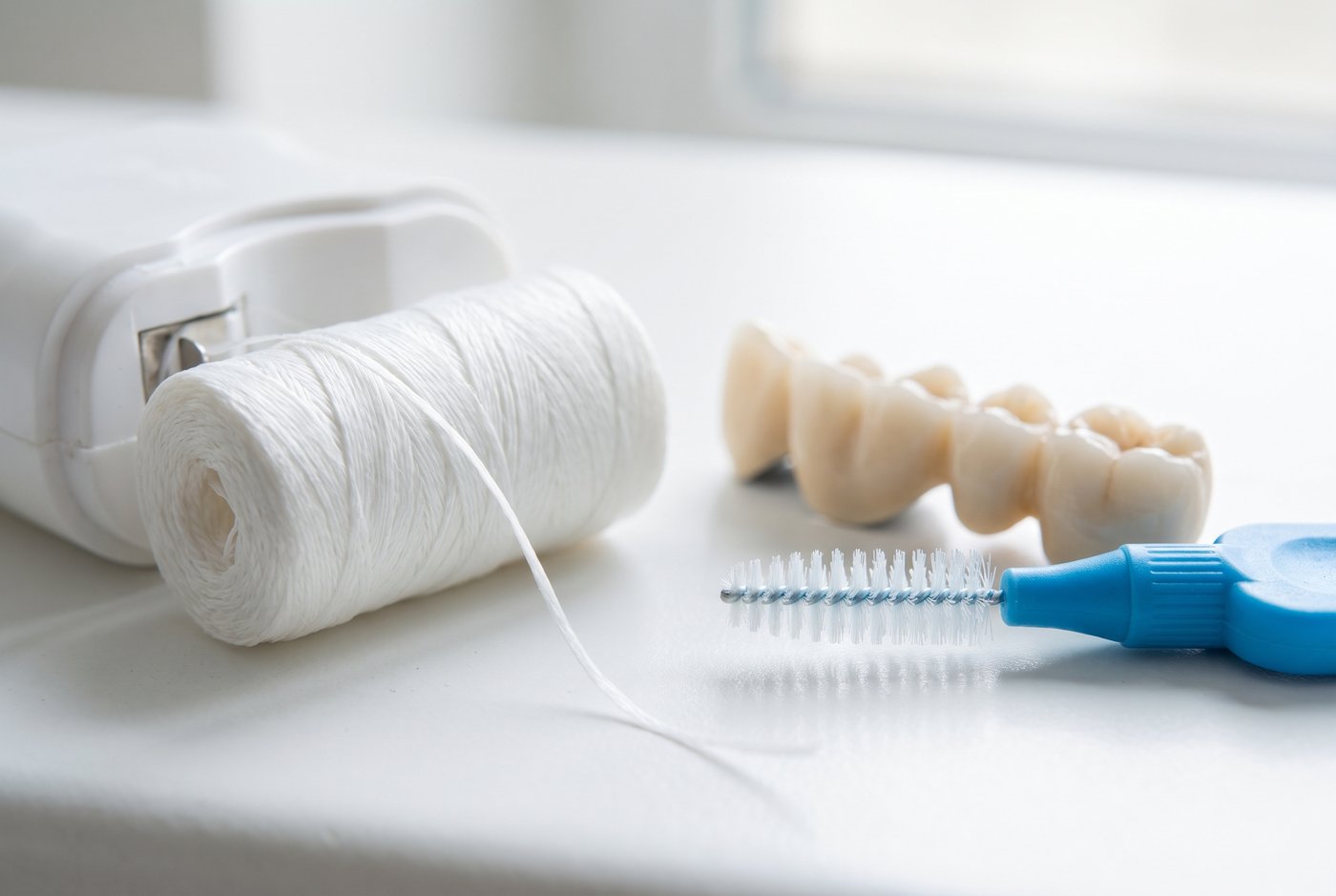
Food and plaque collect under the floating tooth of a bridge, in a spot your regular toothbrush cannot reach. Cleaning that space daily is what separates a 7 year bridge from a 20 year bridge. Floss threaders, super floss, and water flossers all work well. Our article on why flossing matters as much as brushing applies double to bridge wearers.
Bite forces and habits
Bridges live in a high pressure environment. Nighttime grinding, ice chewing, and using teeth as tools all add stress that porcelain was never designed to take. Over time these habits cause the same kind of damage we describe in what causes teeth to crack. If you grind, a night guard is inexpensive insurance for your bridge.
Average Lifespan by Bridge Type
Not all bridges age the same way. The design and materials play a real role in how many years you can expect.
Traditional fixed bridges
The classic three unit bridge anchored by two crowned teeth is the workhorse of dentistry. With good care, 10 to 15 years is typical and 20 plus is common. Modern zirconia versions resist chipping better than older porcelain designs.
Cantilever and Maryland bridges
Bridges anchored on only one side, or bonded to the backs of neighboring teeth with wings, trade some durability for a more conservative preparation. They tend toward the shorter end of the range, often 5 to 10 years, and Maryland bridges can debond and need recementing along the way.
Implant supported bridges
When a bridge is carried by dental implants instead of natural teeth, the decay problem disappears entirely, because implants cannot get cavities. These are the longevity champions. Read more in our guide to the implant supported bridge, and see how long dental implants last for the full picture. Many implant supported bridges serve for 20 to 25 years or longer.
Signs Your Bridge Is Reaching the End
Bridges rarely fail overnight. They give warnings, and catching them early often means a simple fix instead of a full replacement.
- A loose or rocking feeling when you chew
- New sensitivity or ache in the supporting teeth, similar to the signals in what causes sudden tooth pain
- Red, puffy, or bleeding gums around the bridge
- A visible gap opening between the bridge and the gumline
- Chips or cracks in the porcelain
- A bad taste or odor that will not go away, which can signal trapped decay
A loose bridge is never a wait and see situation. Bacteria slip underneath and attack the abutment teeth quickly. If your bridge ever feels loose, treat it with the urgency we describe in what is a dental emergency and call us promptly.
How to Make Your Bridge Last 20 Years
Clean under it every single day
This is the habit that matters most. Thread floss under the false tooth once a day, or use a water flosser on a medium setting. It takes ninety seconds and it is the difference between decades of service and an early failure.
Keep your professional cleanings
Your hygienist reaches what home tools miss and spots trouble while it is still small. Skipping visits lets small problems compound, exactly as described in what happens if you skip dental cleanings. Two visits a year is the minimum for bridge wearers.
Protect it from your own bite
Wear a night guard if you grind. Skip the ice, popcorn kernels, and sticky candies. Do not open packages with your teeth. Porcelain is strong against chewing but brittle against sharp shocks.
Feed the foundation
Healthy gums and strong enamel around your abutment teeth extend the whole system’s life. Our guide on foods that strengthen or weaken your teeth is a good place to start, and if your gums show any of the signs of gum disease, address them early.
When a Bridge Cannot Be Saved
Sometimes a bridge has simply served its time. If an abutment tooth is too damaged to support a new bridge, you still have excellent options. An implant supported replacement removes the decay risk entirely, and for many patients it is the last tooth replacement they ever need. We walk through the alternatives in how to fix missing teeth without implants and dental implants vs dentures.
Cost is a fair concern with any replacement. Our overview of how dental payment plans work explains the ways patients spread treatment into manageable monthly amounts.
Frequently Asked Questions
Can a dental bridge last a lifetime?
It is uncommon but it happens. We see bridges 25 and even 30 years old that are still going strong. Every one of them belongs to a patient with excellent daily hygiene and consistent checkups.
How do I know if my bridge needs replacing?
Looseness, sensitivity in the supporting teeth, gum inflammation around the bridge, visible gaps, or damage to the porcelain are the classic signs. An exam with an x ray gives a definitive answer in one visit.
Does a bridge damage the teeth that support it?
Preparing abutment teeth does remove enamel, which is why we protect that investment carefully. With good hygiene the supporting teeth stay healthy for decades. Without it, they become the weak point of the whole restoration.
Is it painful when a bridge fails?
Not always, and that is the trap. Decay under a bridge can progress silently for a long time. Many failing bridges feel completely fine until the problem is advanced, which is why regular checkups matter even when nothing hurts.
How much does it cost to replace a bridge?
It depends on the size of the bridge, the materials, and whether the supporting teeth need work first. We always provide a clear estimate before any treatment, and payment plans are available.
📞 Contact Kaufman Dentistry Today
Whether your bridge is brand new and you want it to last, or it is showing its age and you want honest guidance on next steps, our father and son team is here to help. We have cared for Culver City families for decades and we treat every restoration like it needs to last.
Call us at (310) 838 7780 or visit us in Culver City. Get directions here.